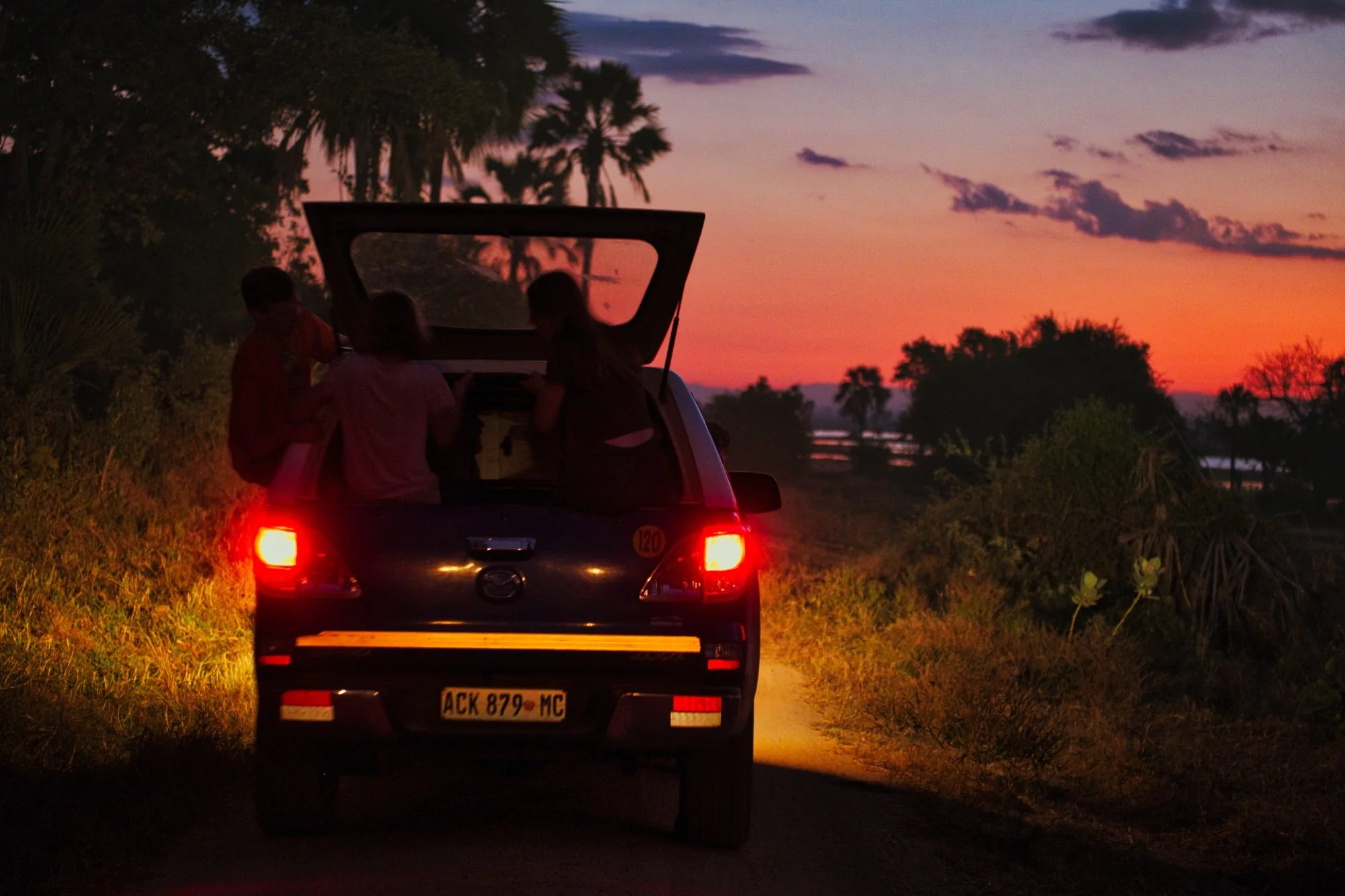
Liwonde, Hello Again
Our first introduction as a family to Liwonde National Park was likely in 2003, our African arrival year. We were in a noticeable funk and in need of a break from village life when some teammates invited us to join them and their good friends from the U.S. who were visiting.
Since then our family has headed there again and again during our 13 years in Africa. We’ve gone just for the day on several occasions but also stayed for an overnight or two at Mvuu Camp, Kutchire Lodge, Bushman’s Baobab’s Lodge (no longer open), and Chimwala Bush Camp (tent camping).
As far as safari parks go, Liwonde is as much ours as it gets!
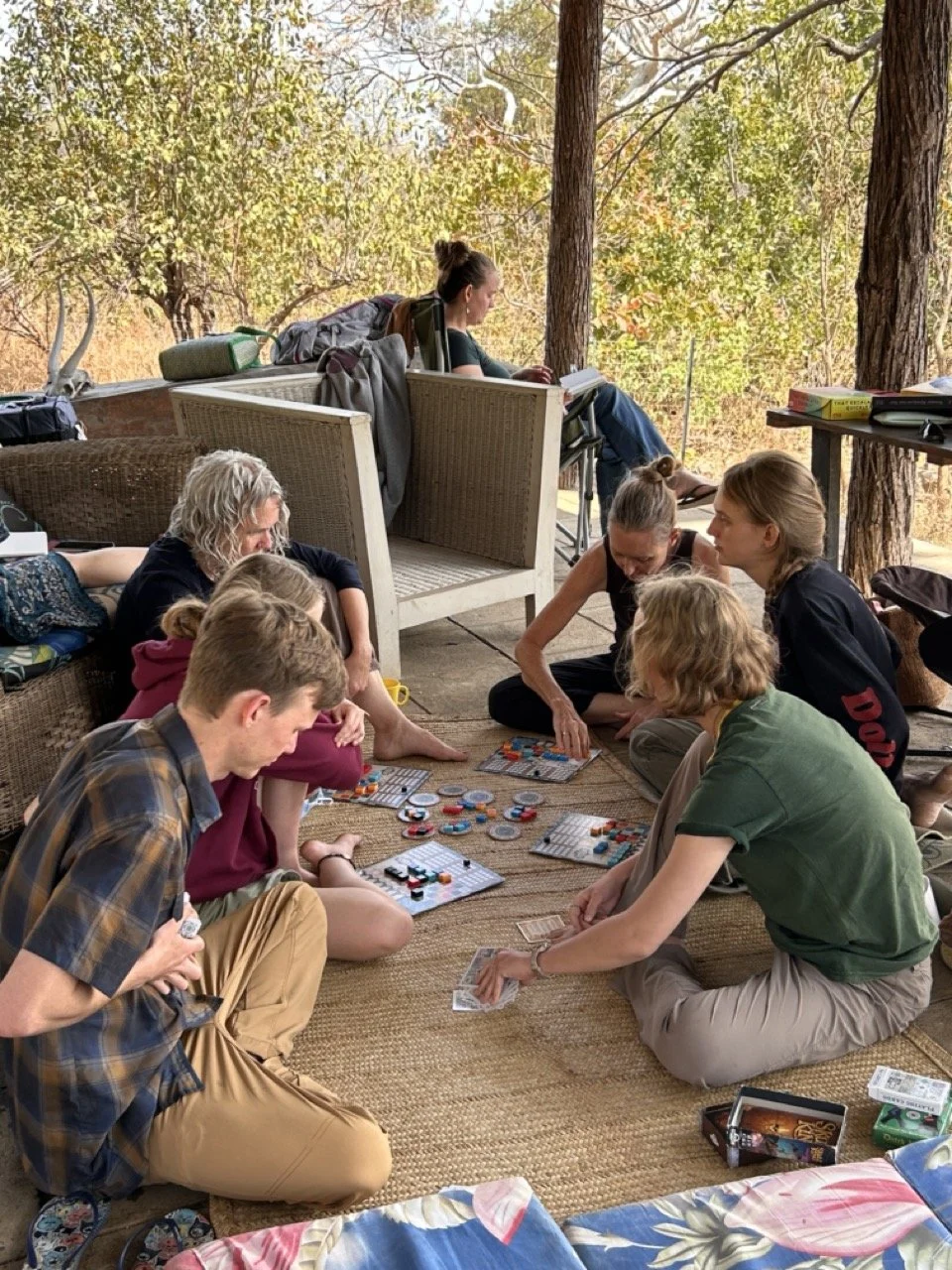
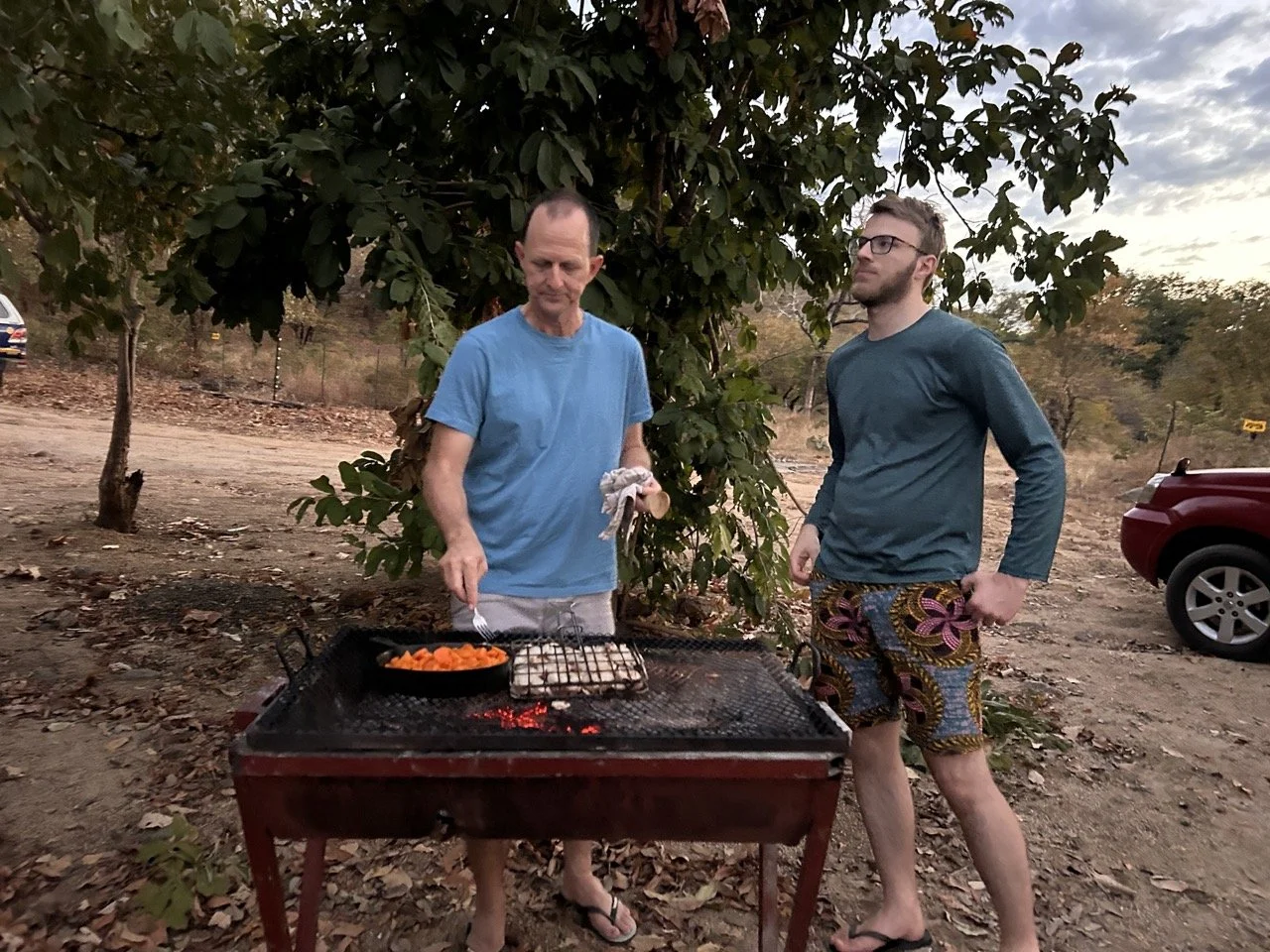
In June of 2026 we set aside two nights to camp with our friends, the Dollars, at Chimwala. They’ve been to Liwonde even more times than we have and we had just all been in Blantyre together for a highly anticipated wedding and needed a bit of R&R before our quick trip to our old stomping grounds of Mozambique.
At Liwonde, time simply stops.
The rhythms of life alter.
The magic of newness and wonder reignite.
This is especially evident when someone sees Liwonde for the first time ever, and it’s even more real and in-your-face when it’s also coupled with a first visit to Africa. Liwonde’s newest initiate was Isaac from Puerto Rico.
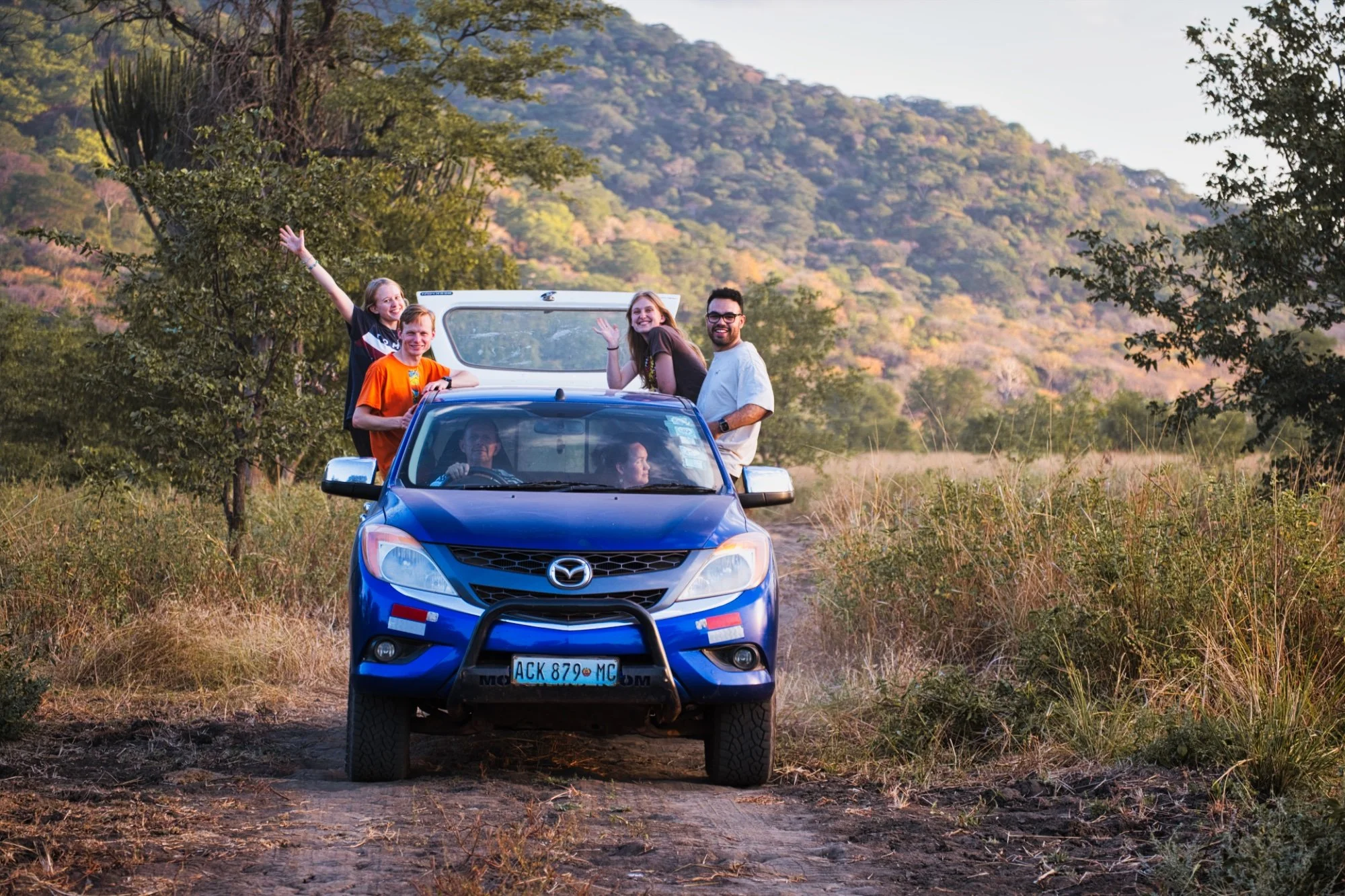
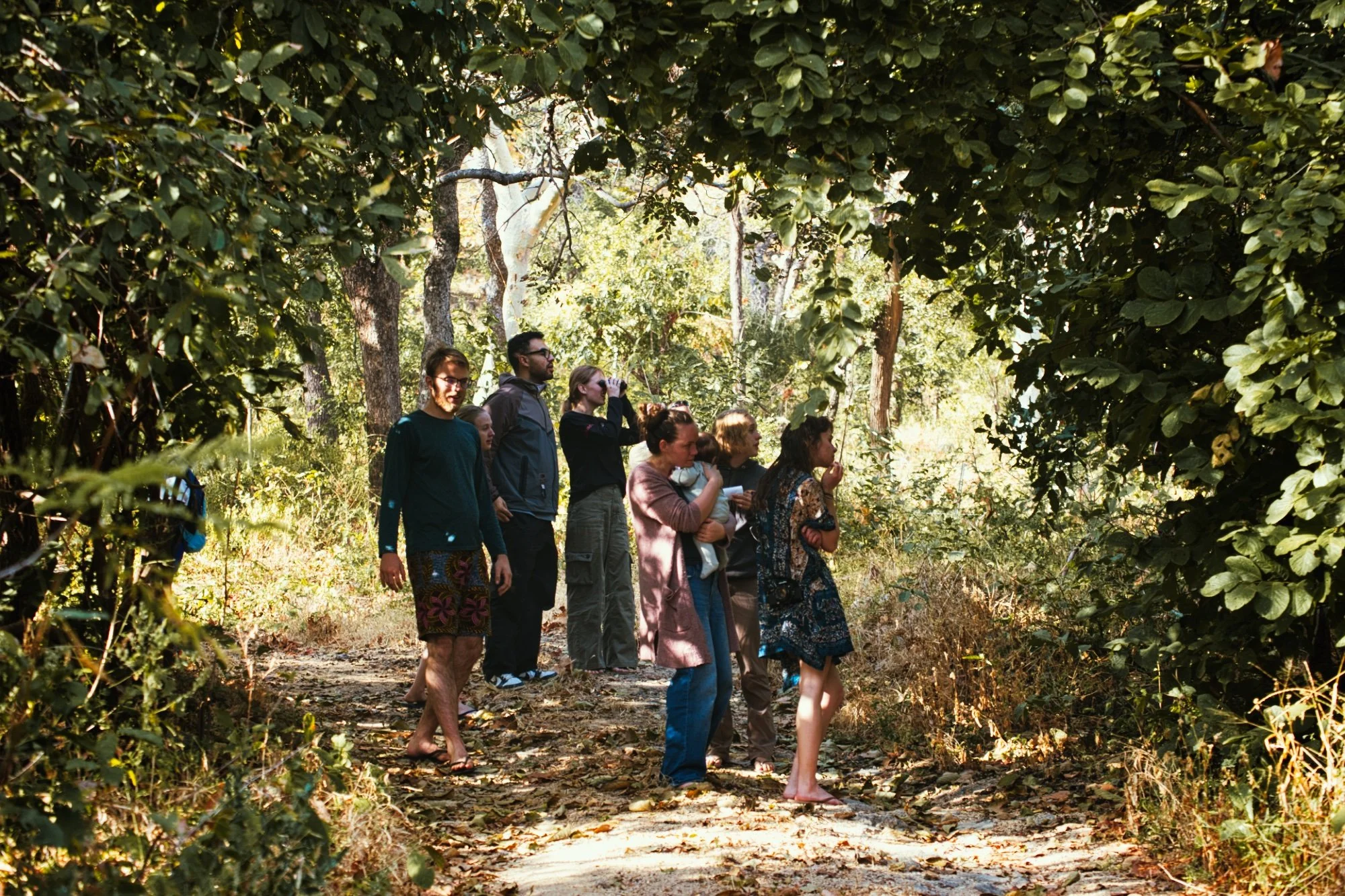
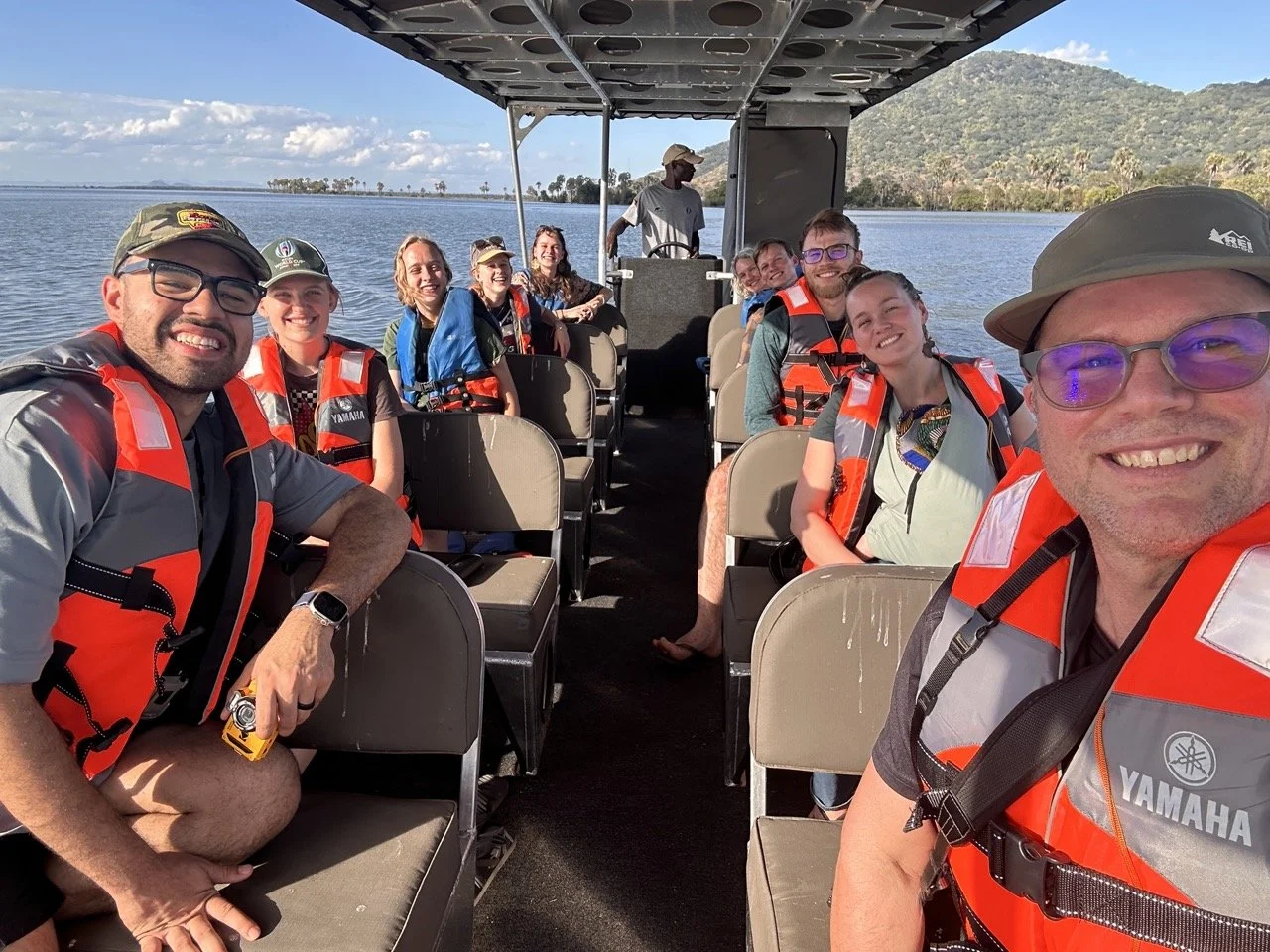
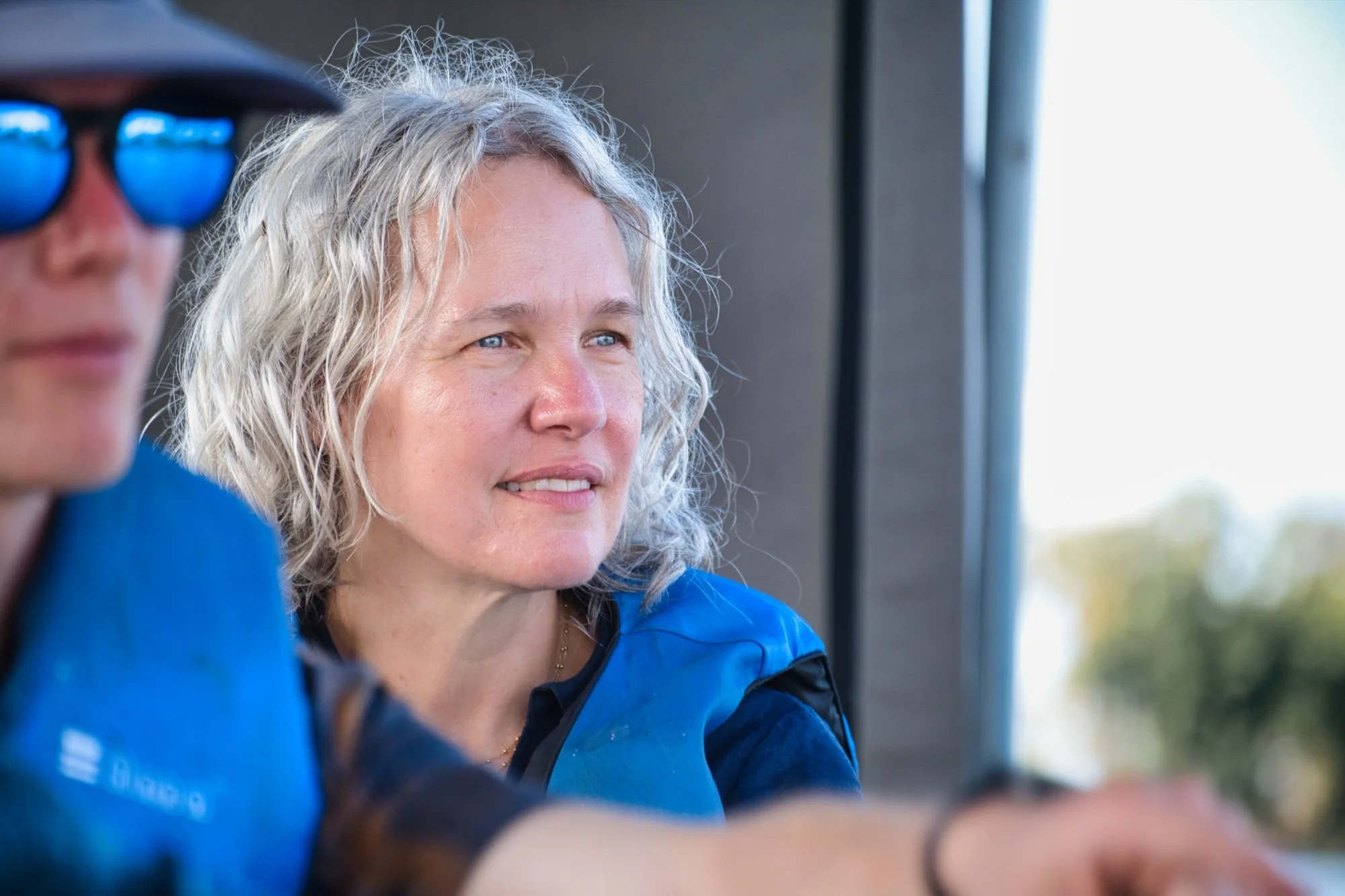
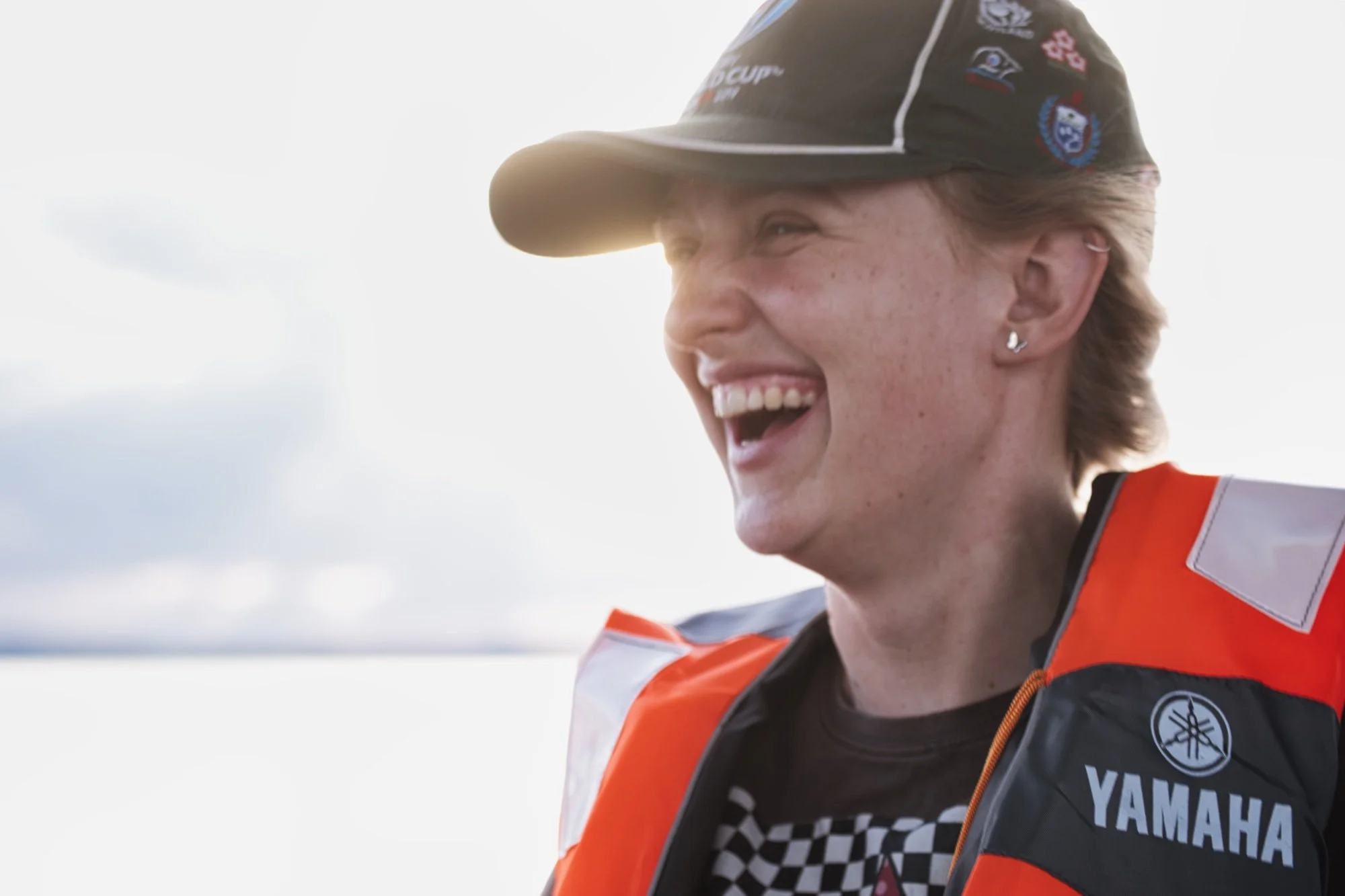
The Dollars, Cowleys and Isaac on safari
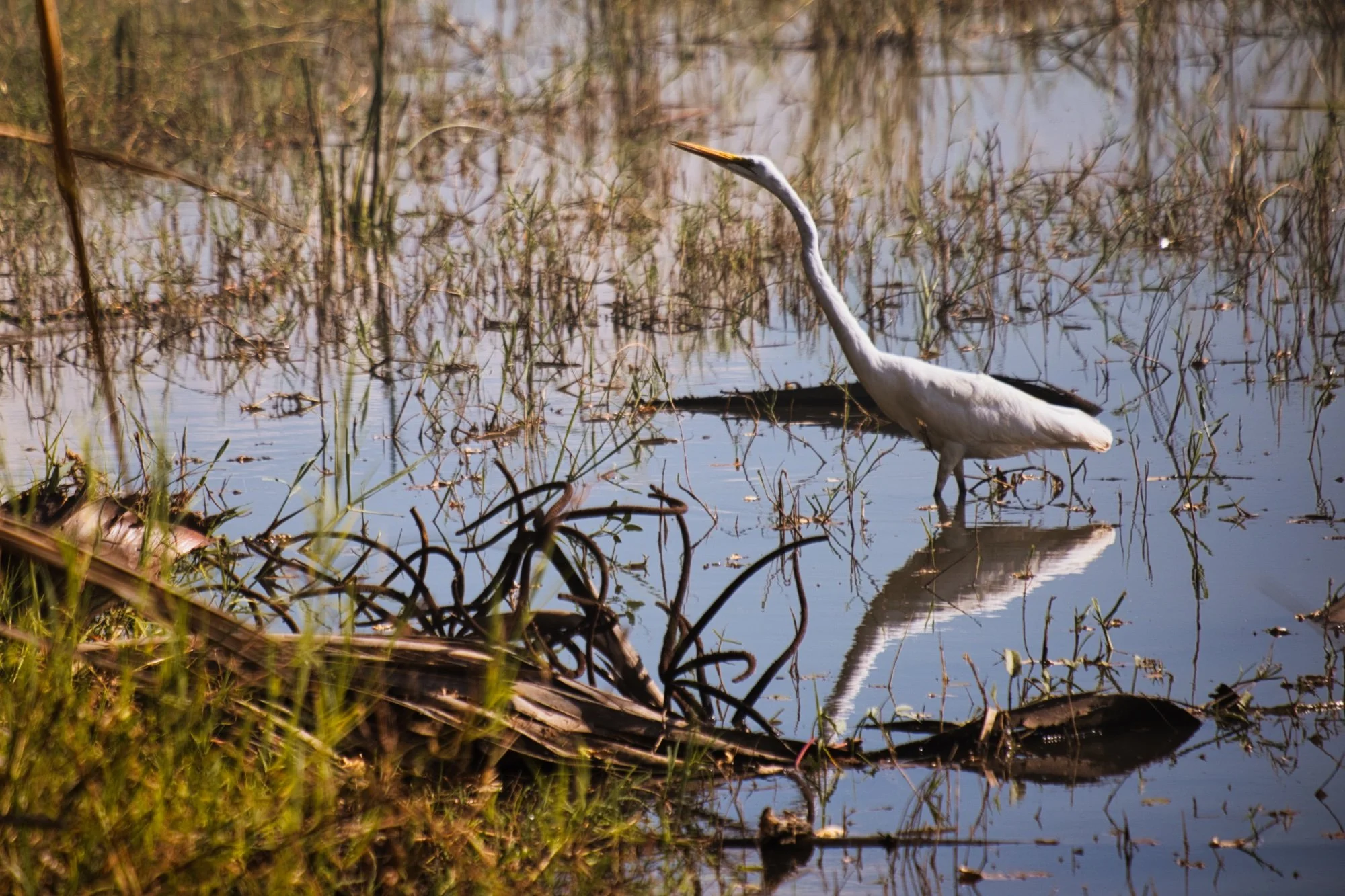
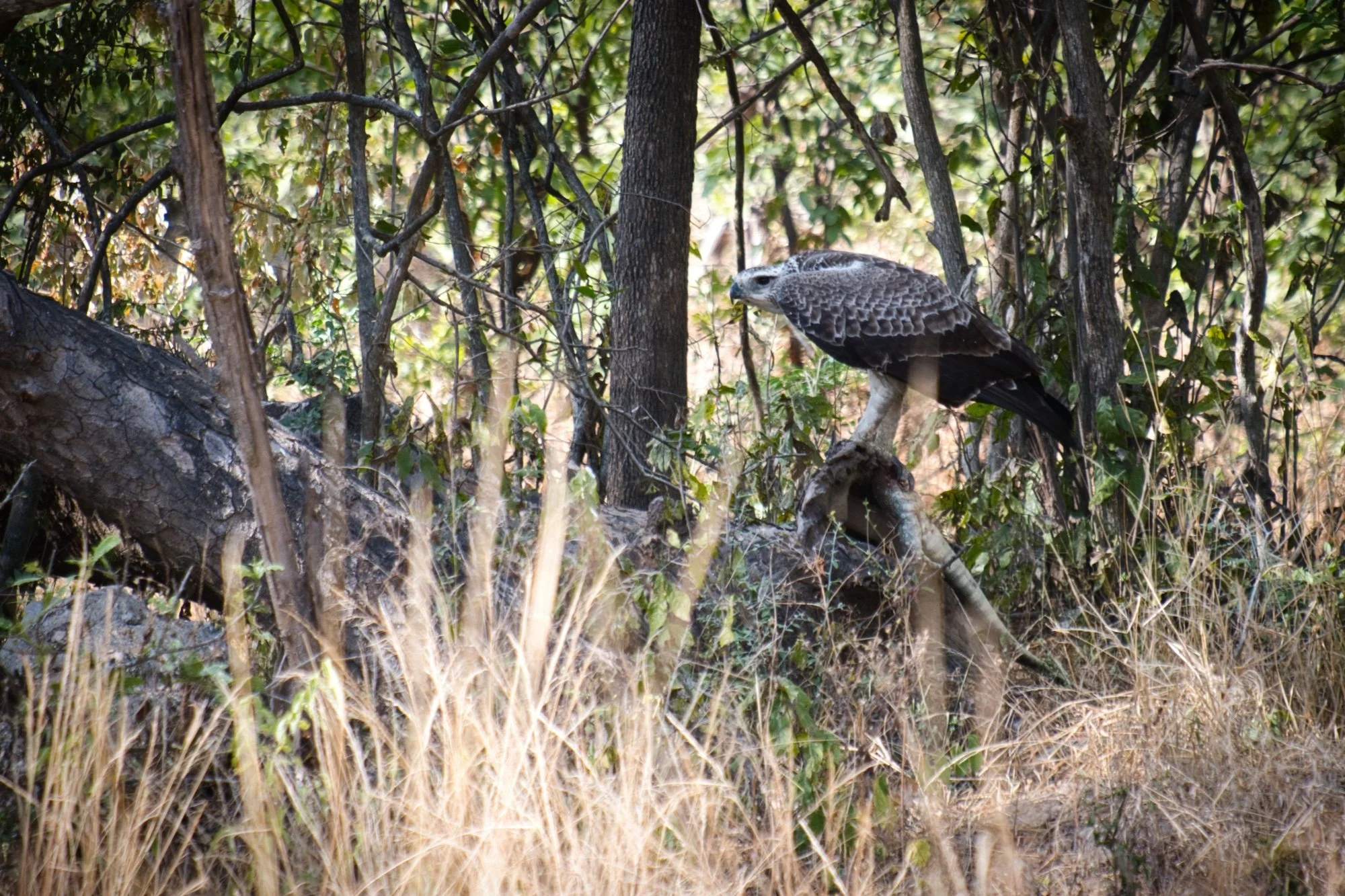
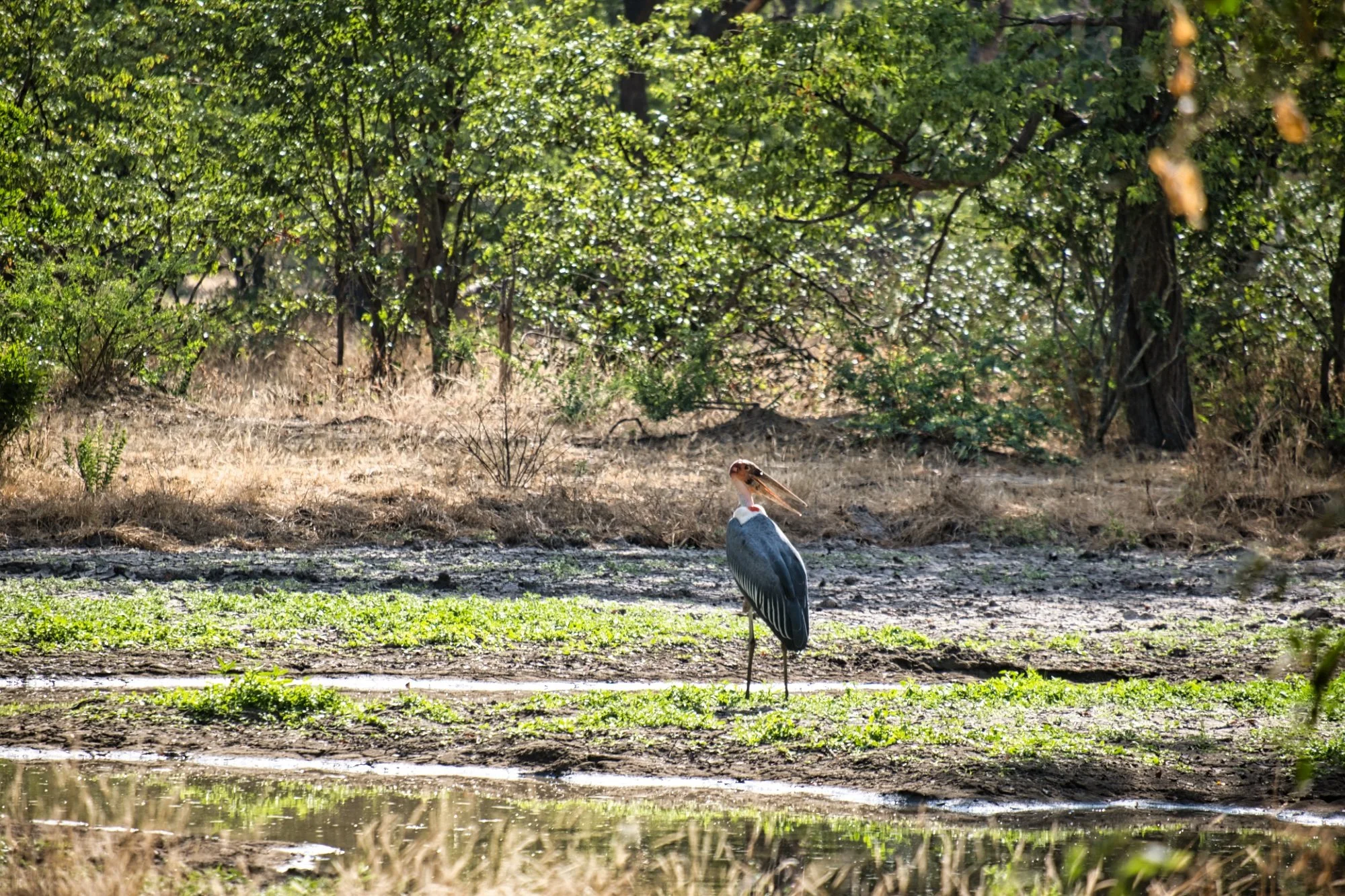
Birds of Southern Africa
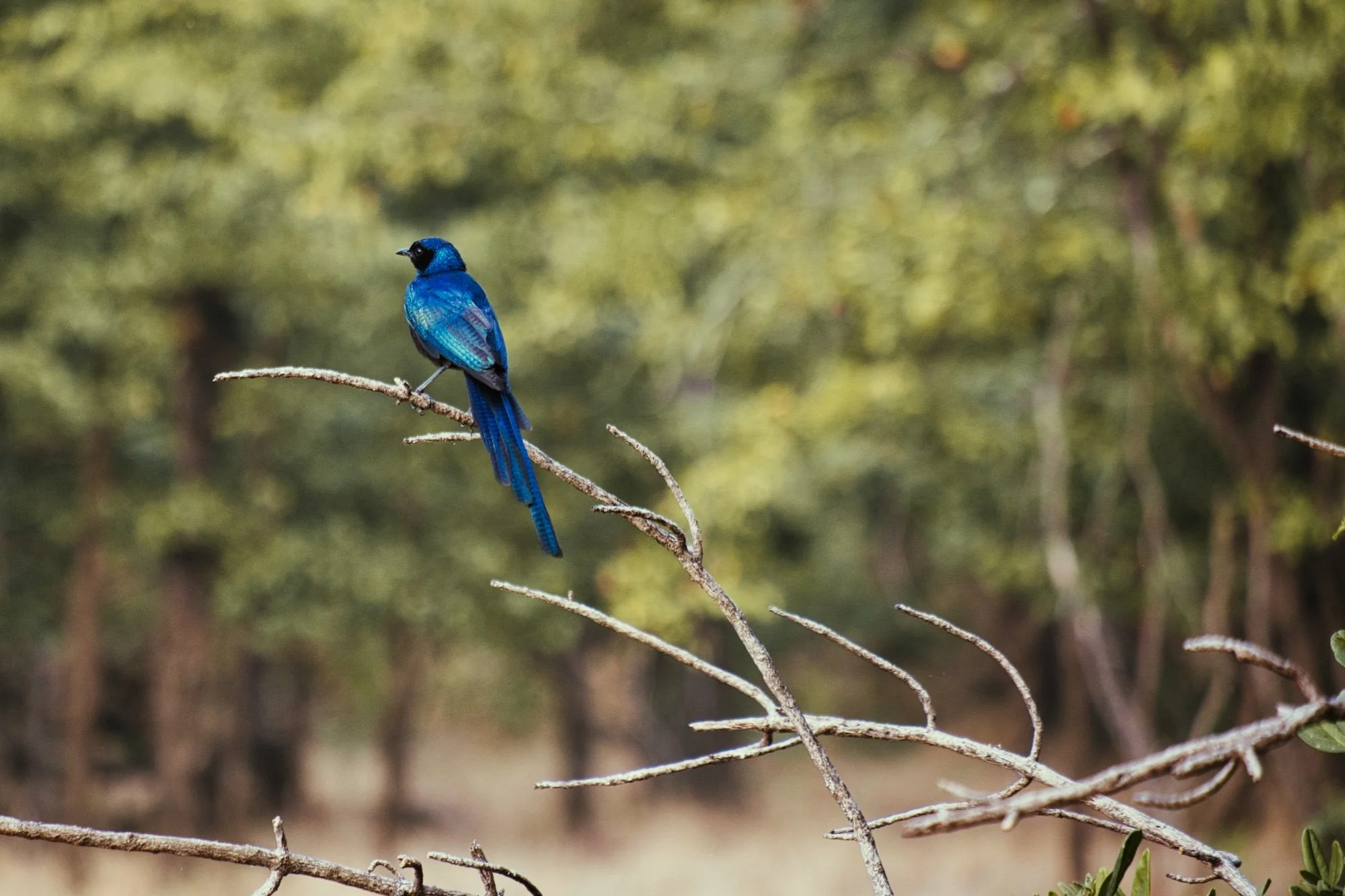
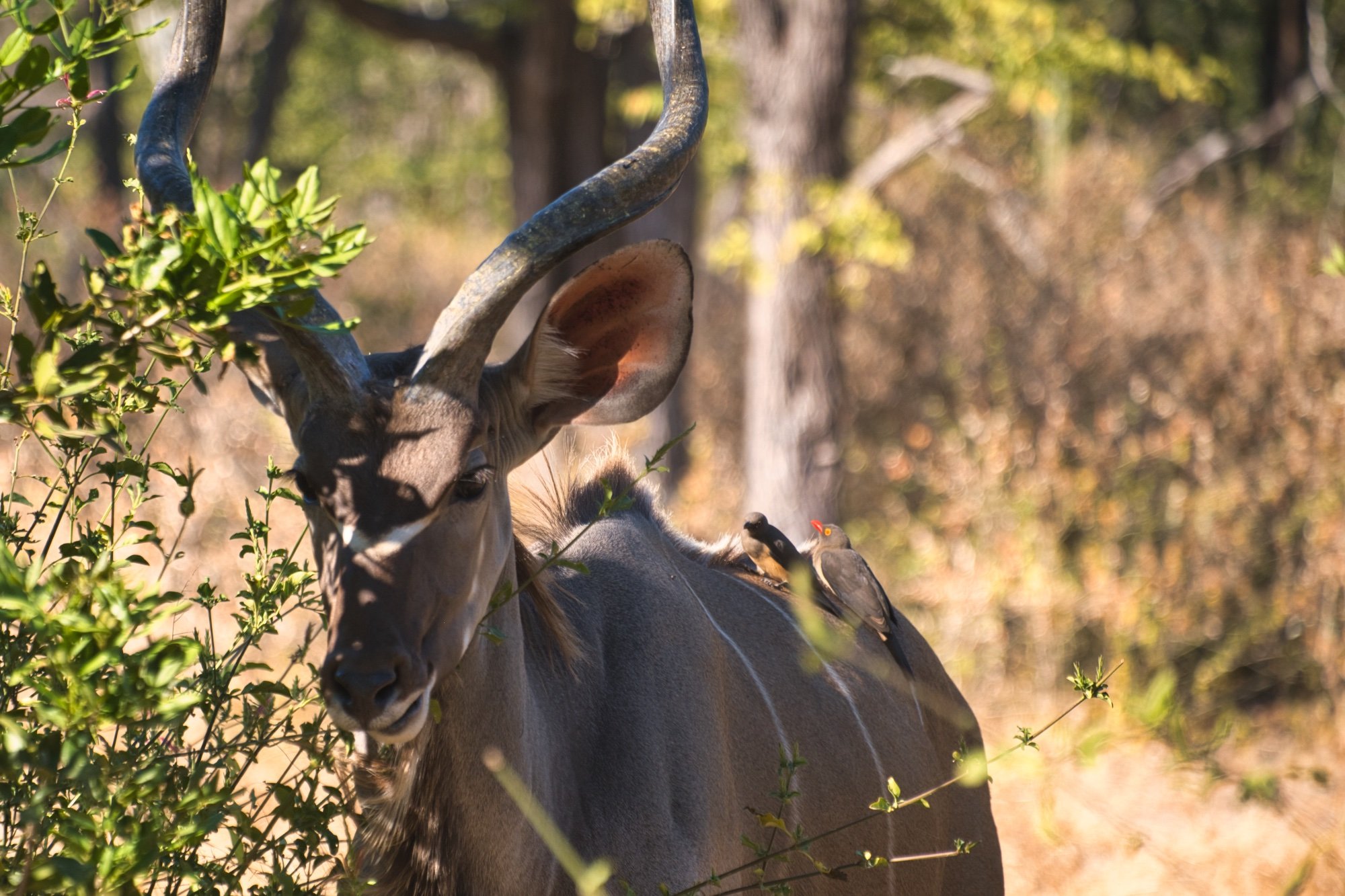
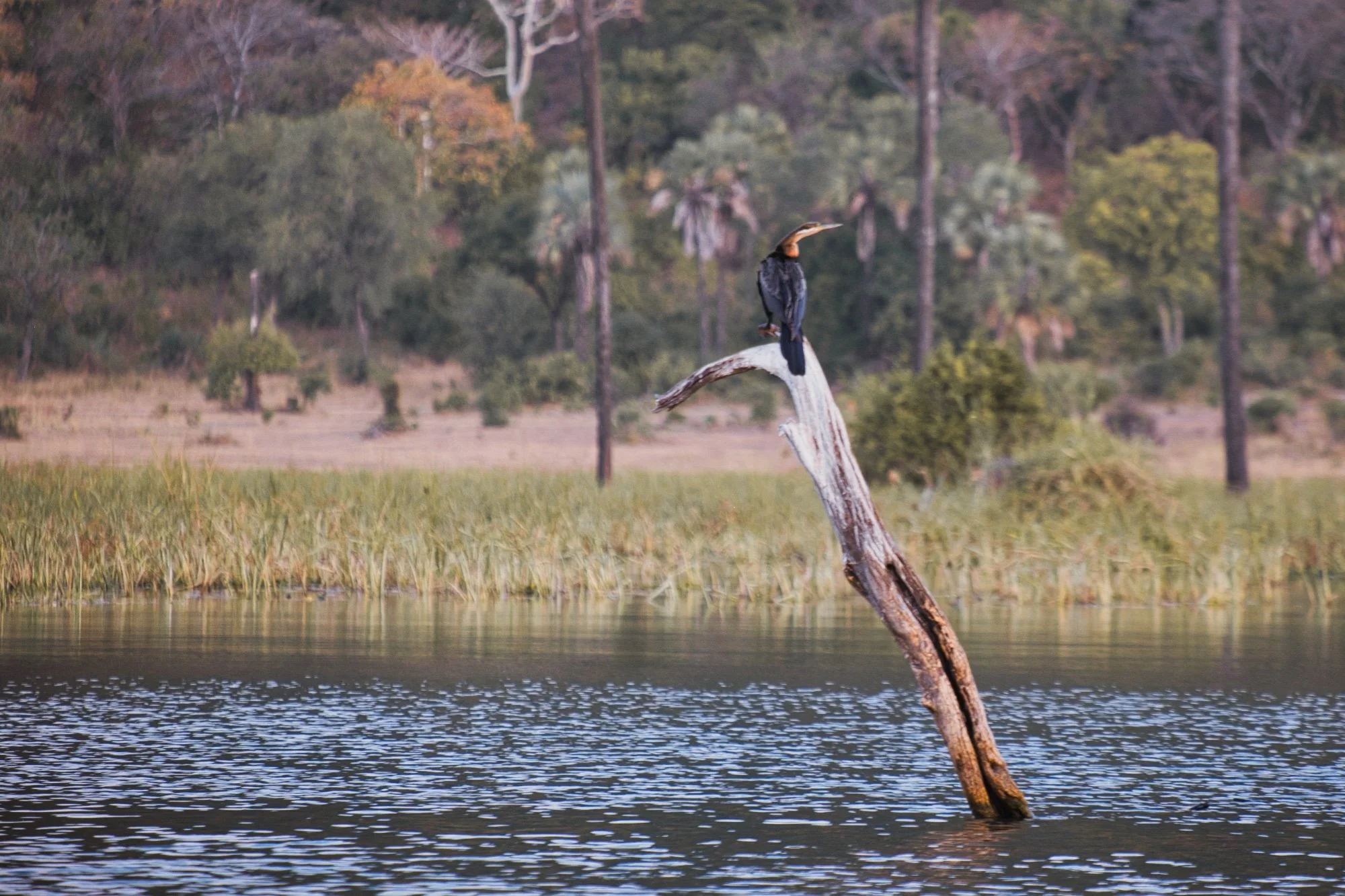
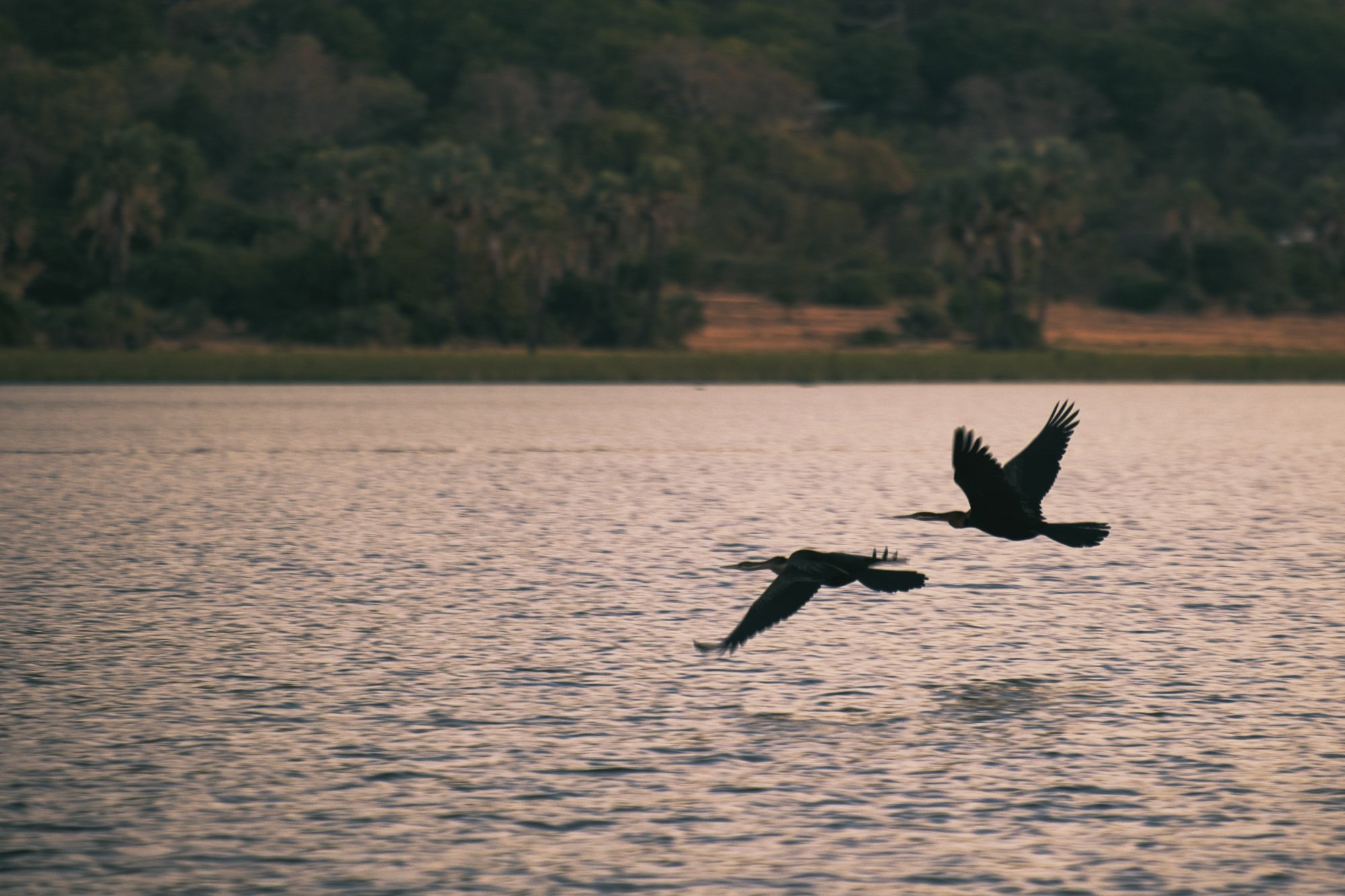
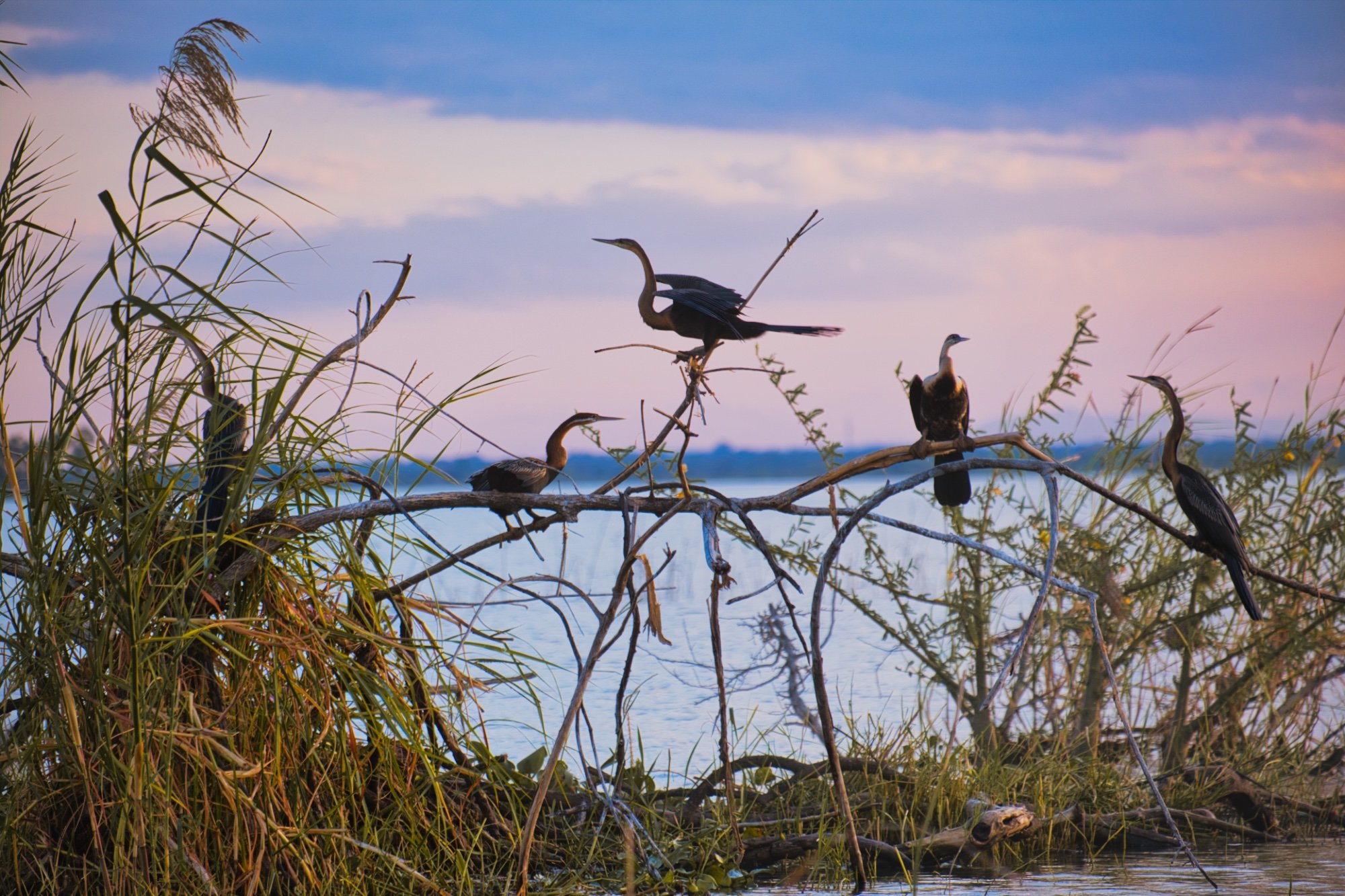
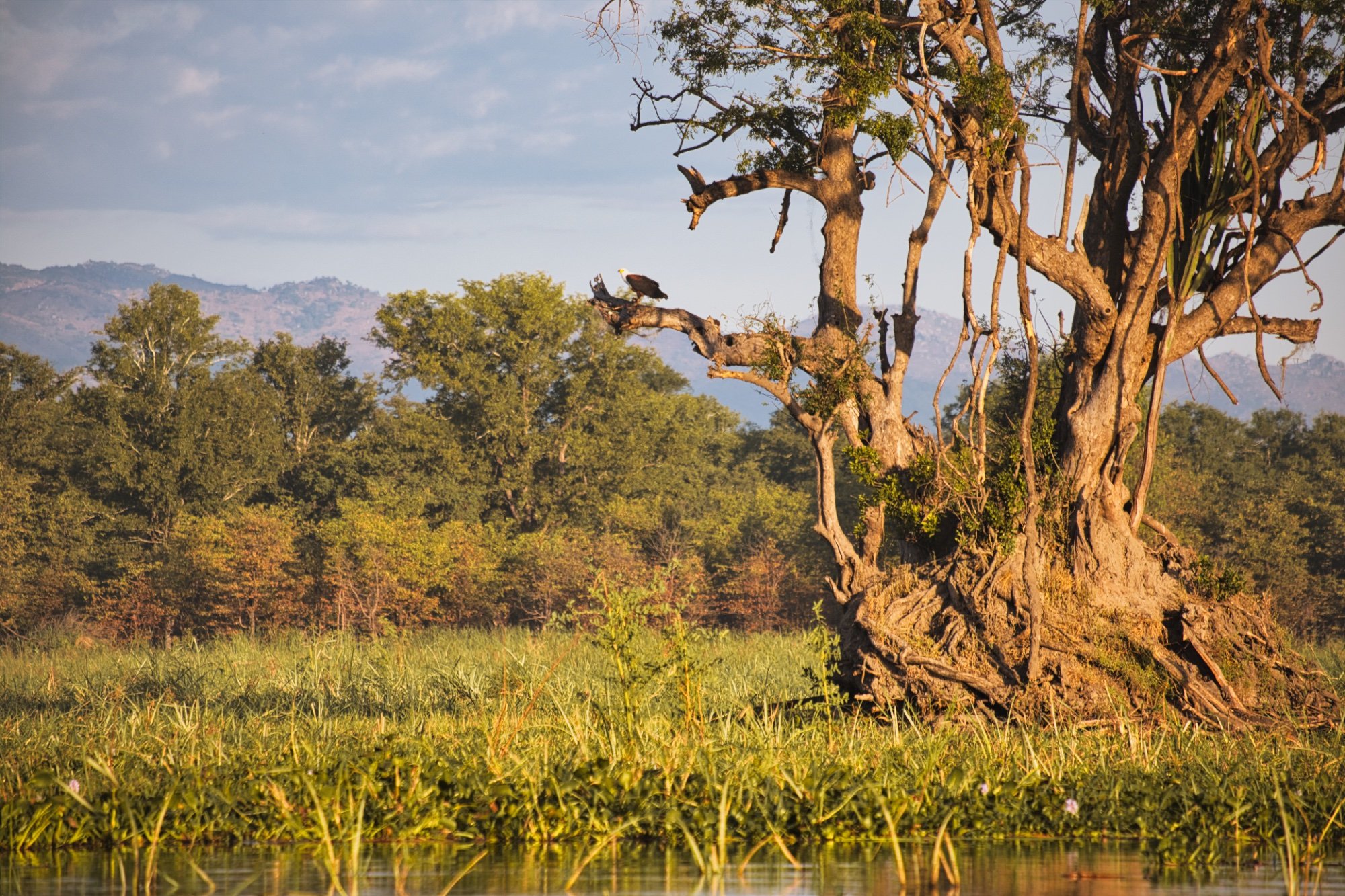
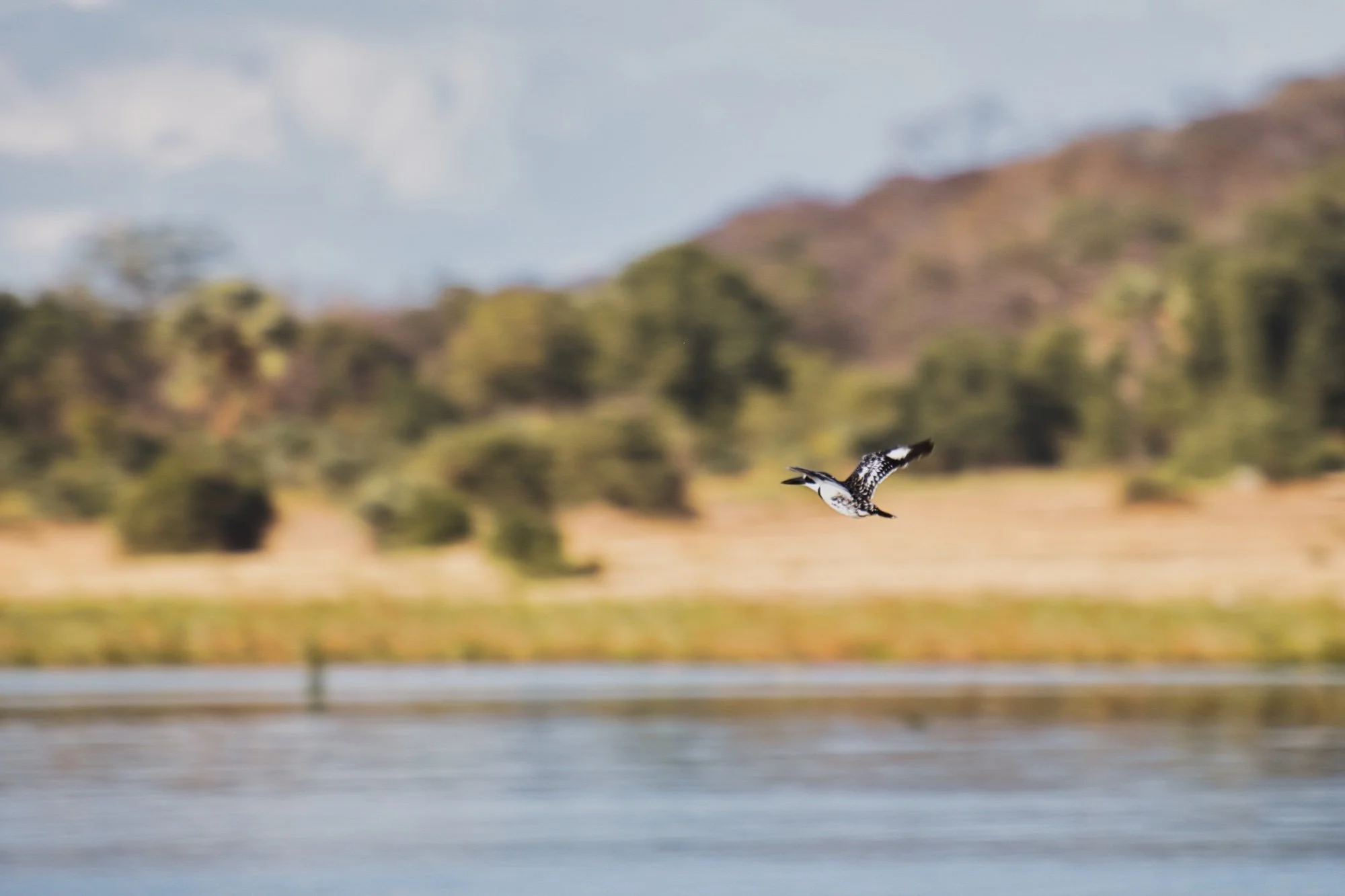
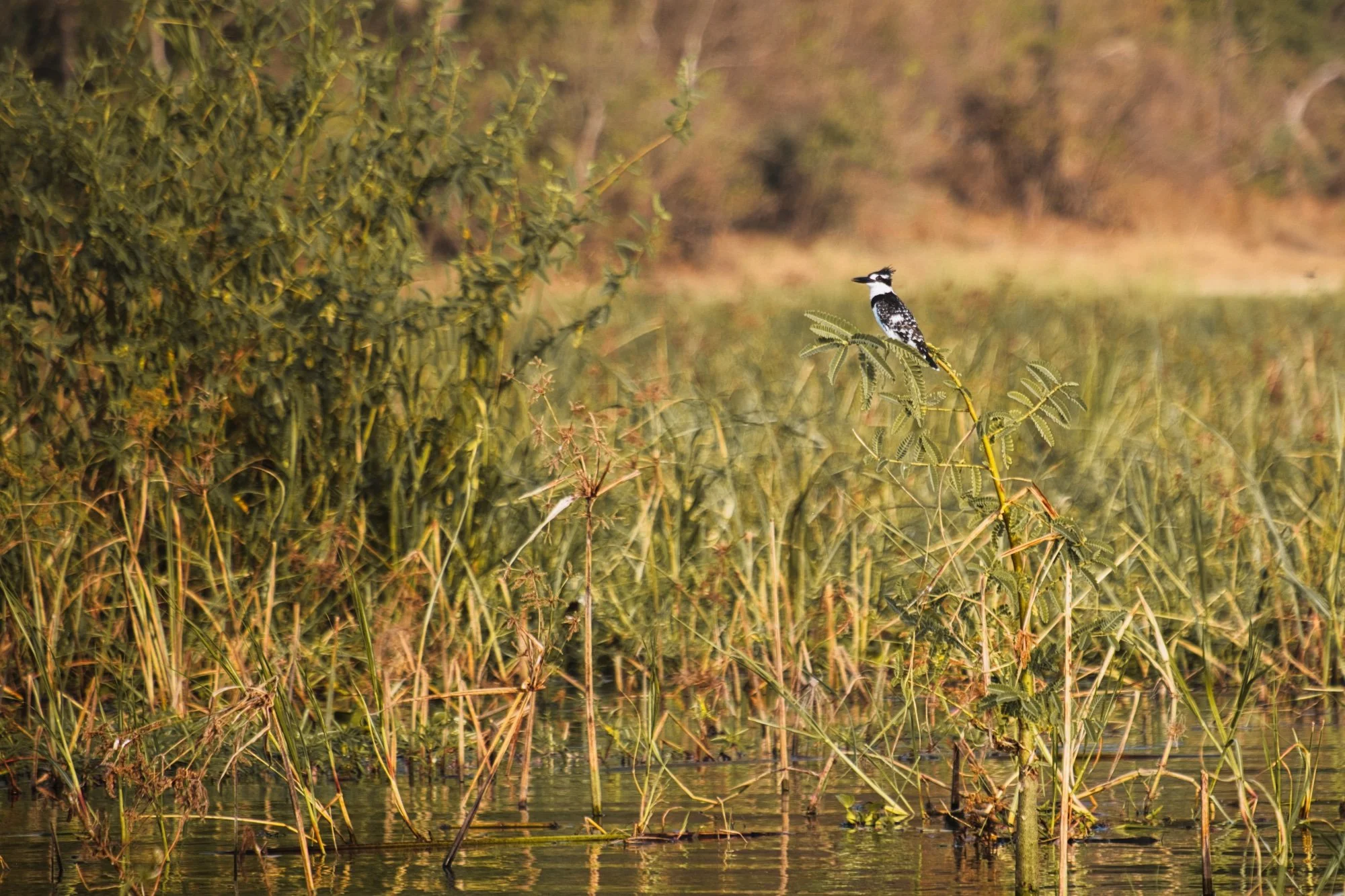
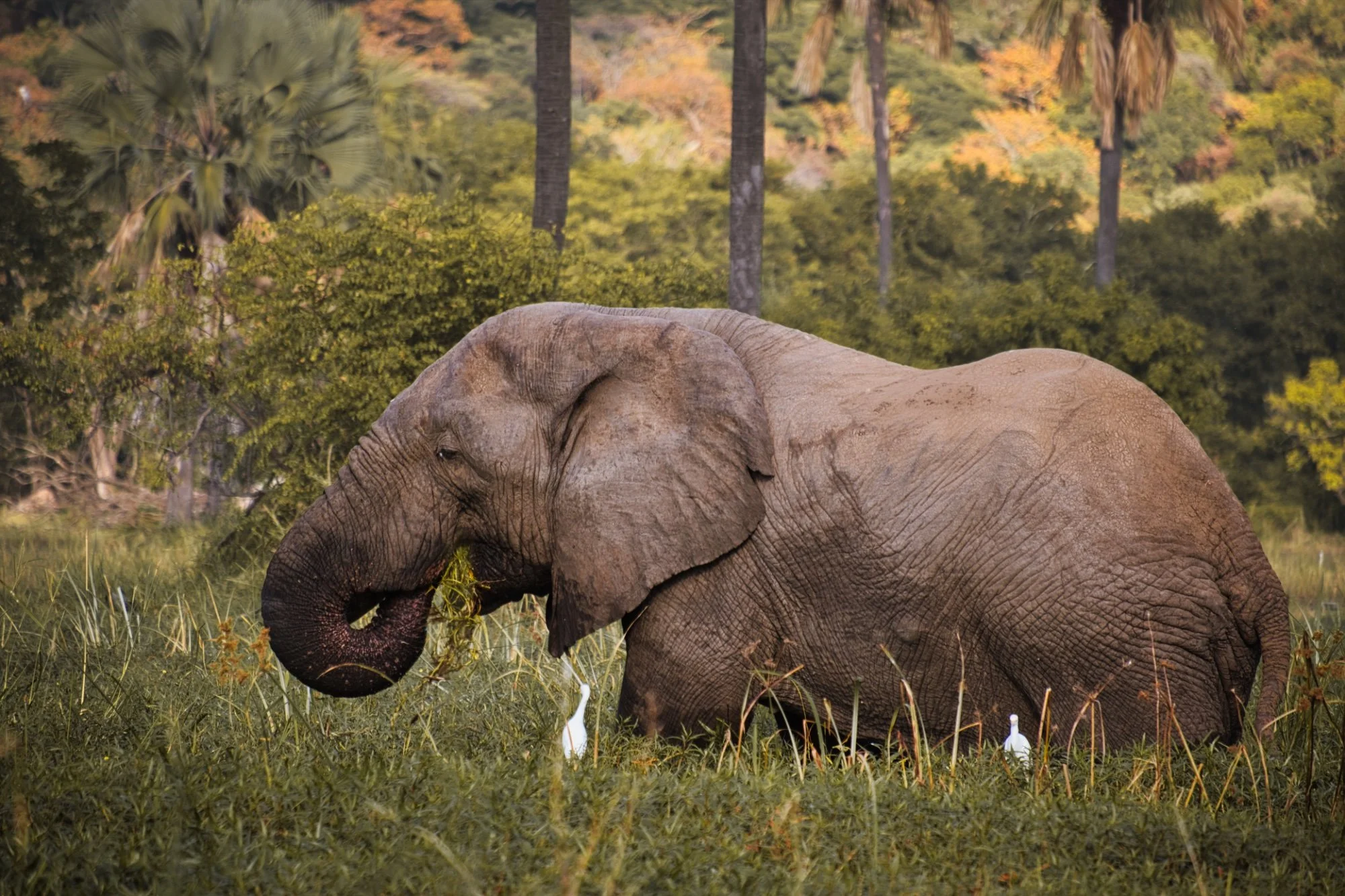
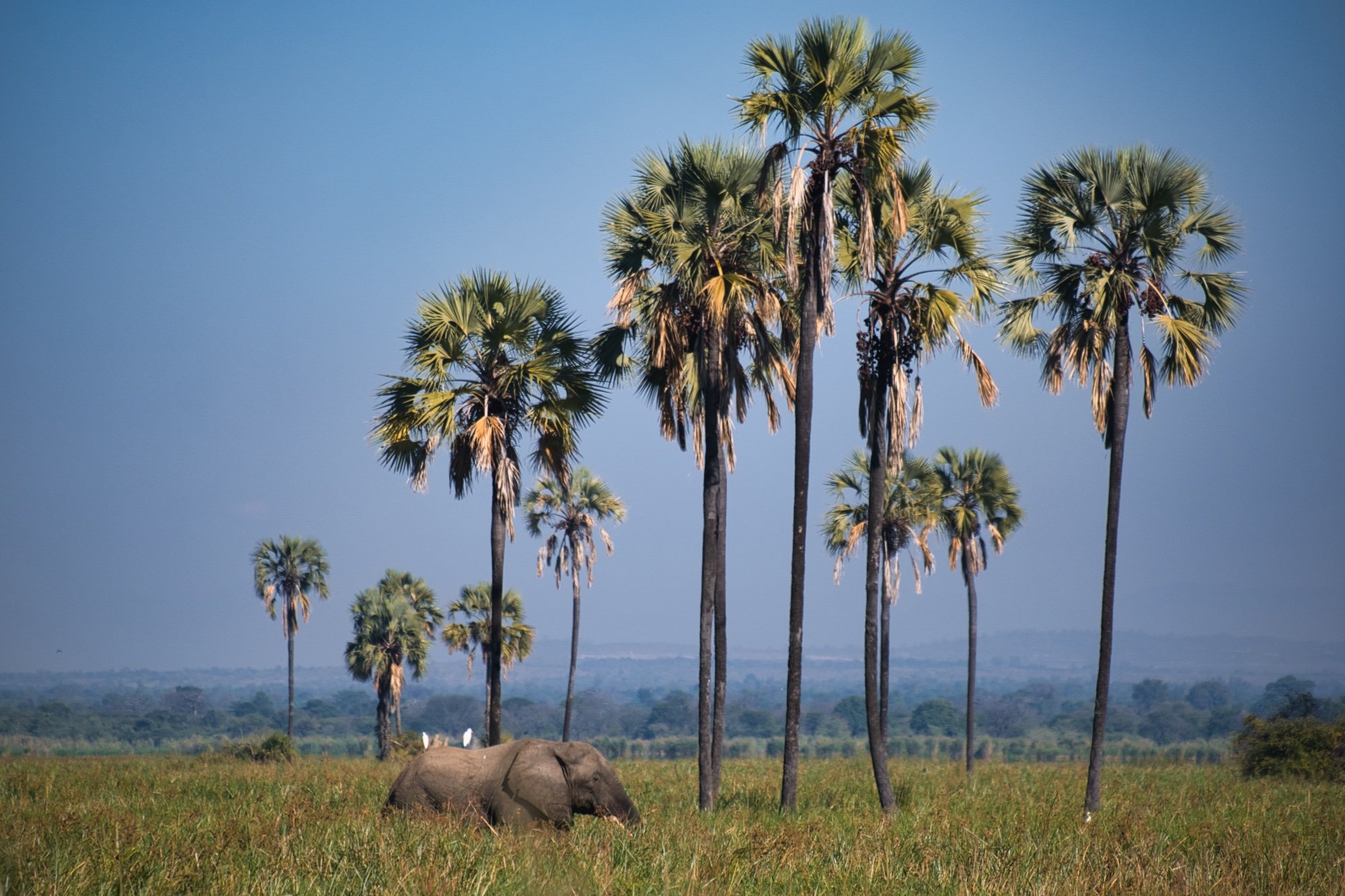
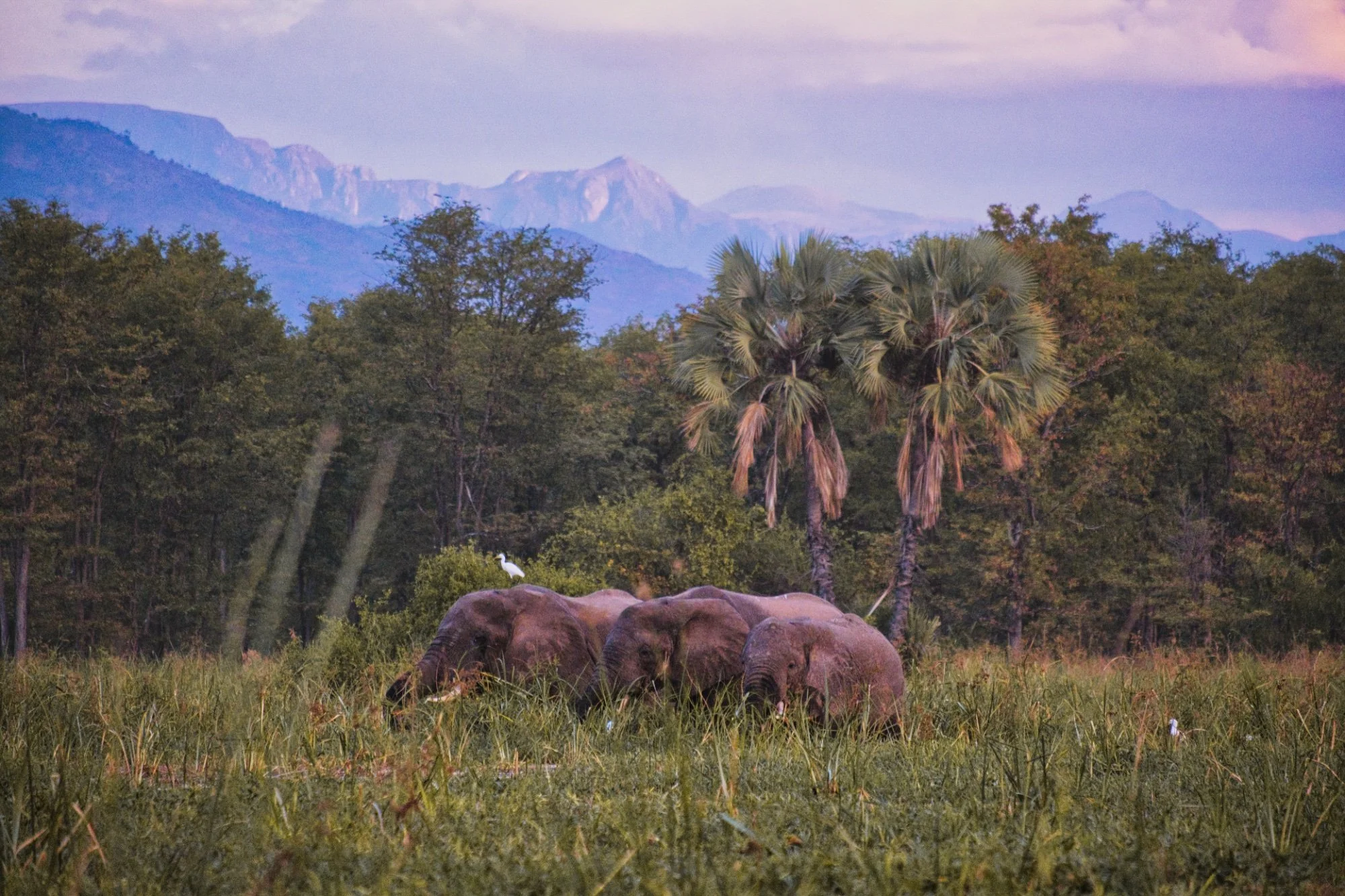
I’m always completely in love with the birds that hang out at Liwonde. I became a very amateur birder during our time in Africa. Shawn, a real birder, identified for me a Long-tailed Glossy Starling (the shimmery blue bird), Ground Hornbills (big ones we saw on the ground), a Harrier Hawk, Cattle Egrets and Snowy Egrets (little white guys on back of elephant), Ox Pecker (on the back of the kudu), Giant Egrets, Pied Kingfishers (black and white), an Open-Billed Stork, a Maribu Stork, a Red-billed Hornbill (Zazu from Lion King) and Fish Eagles. I managed to grab pics of most of them…
Chimwala Bush Camp
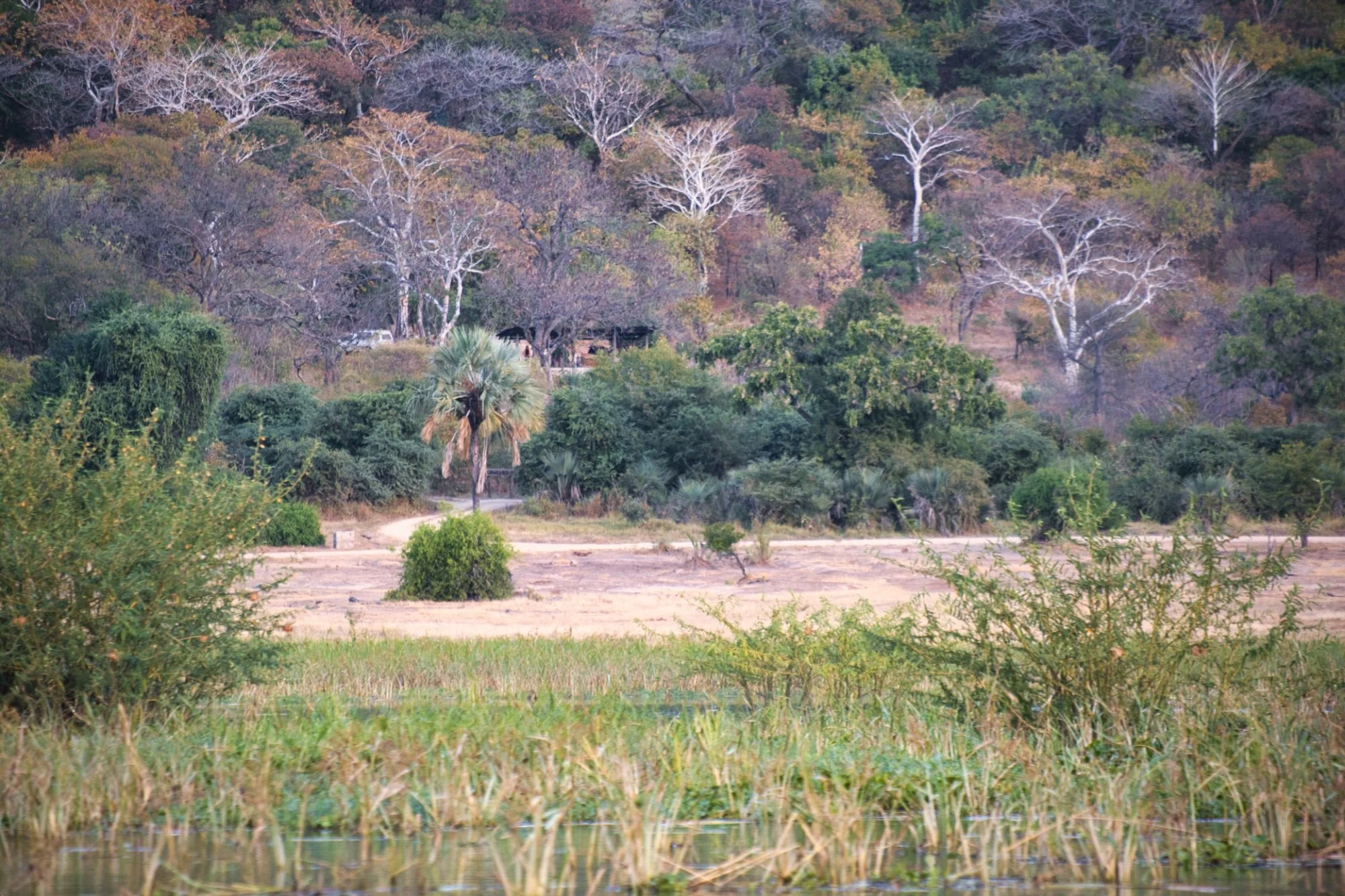
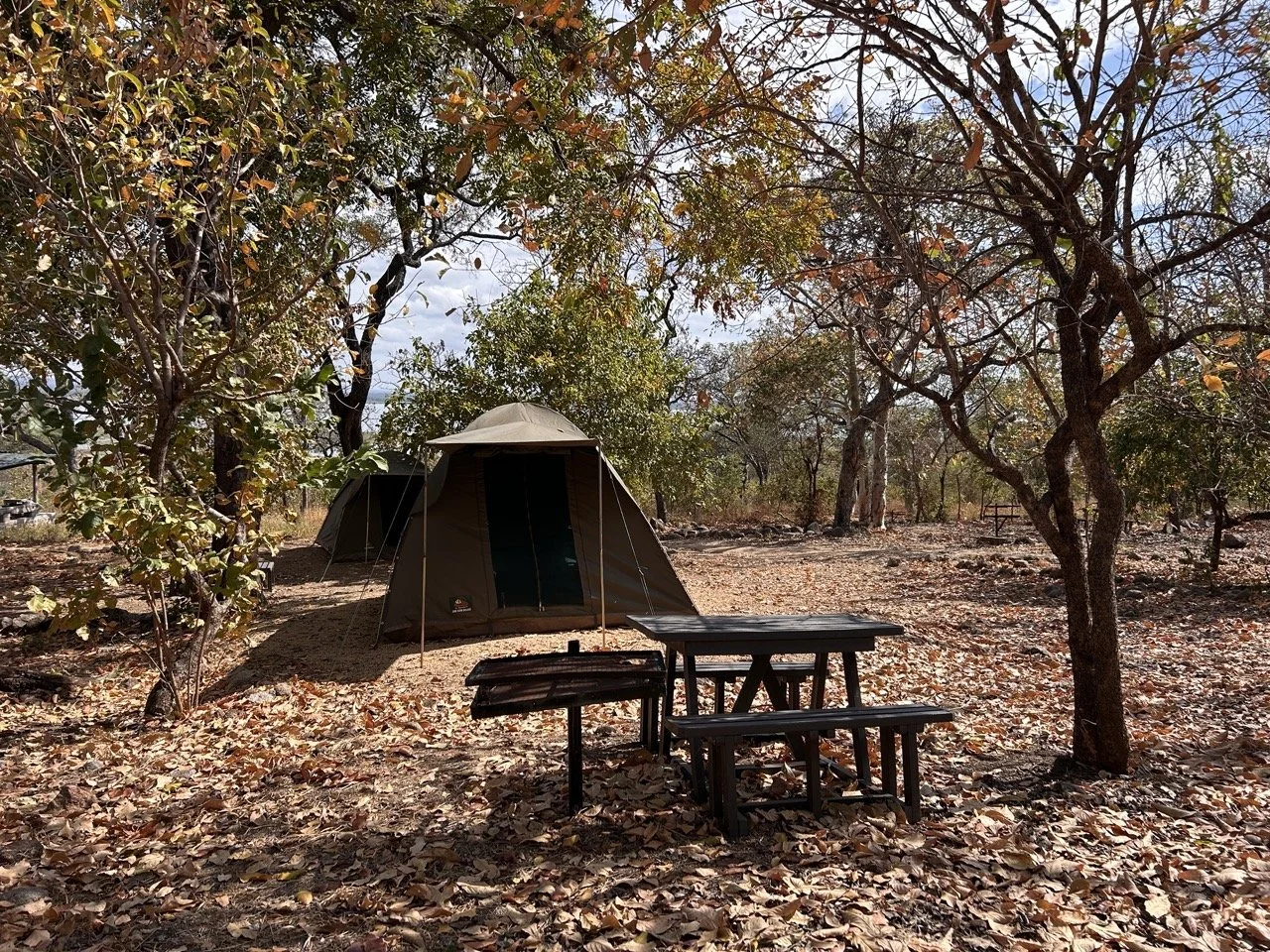
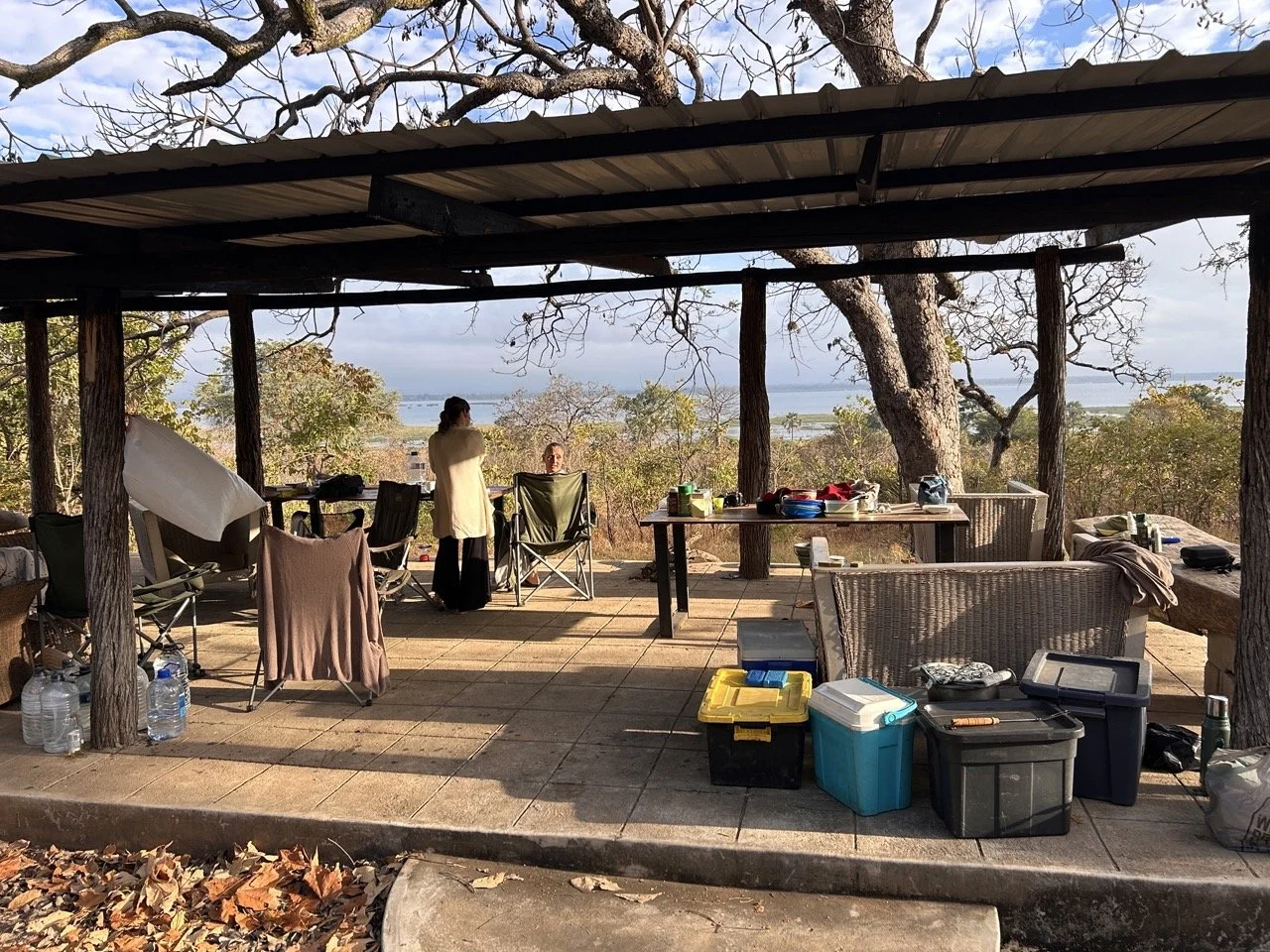
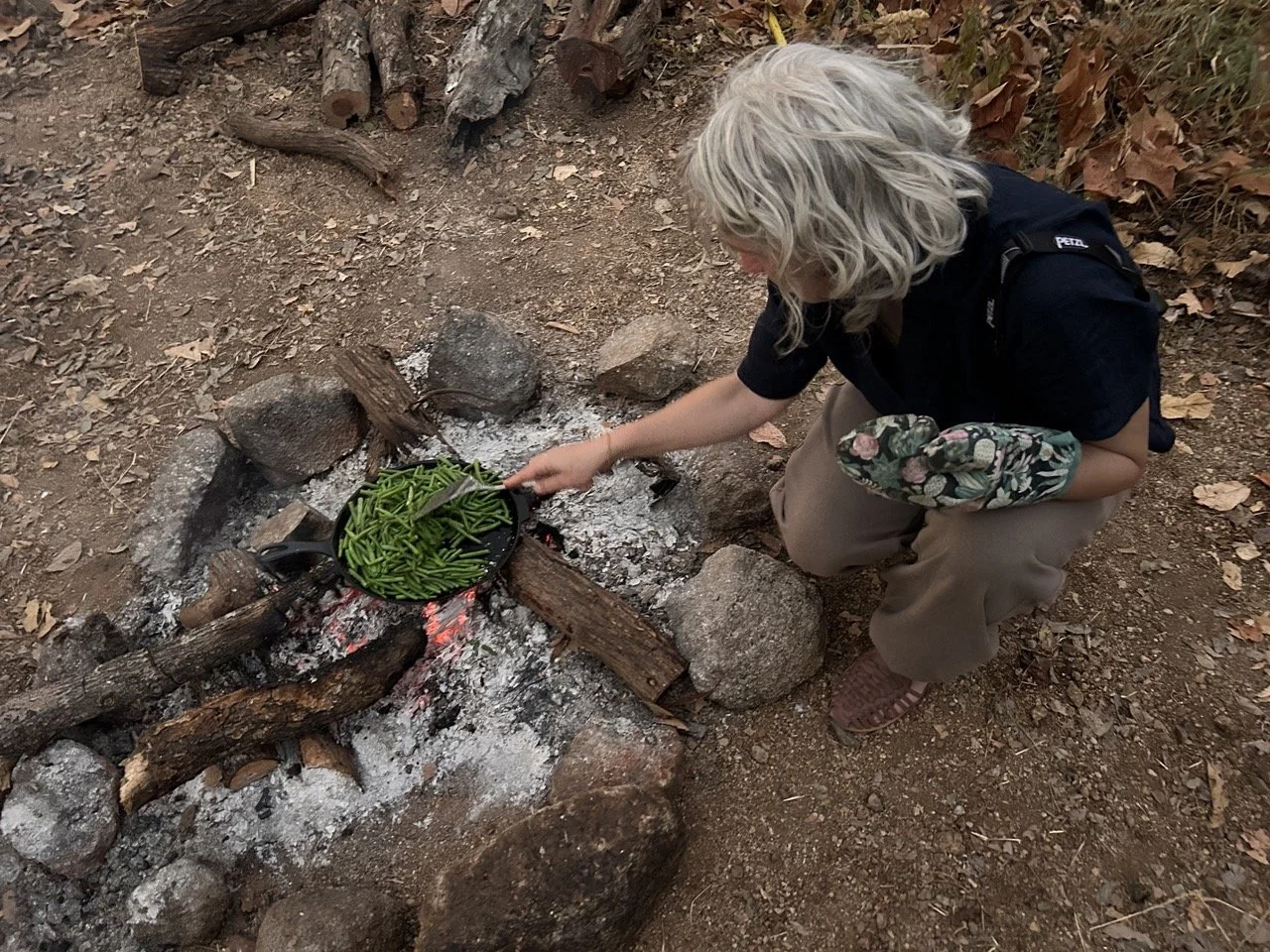
We have tent camped numerous times at Liwonde before back when we all had our own gear. This time, to keep things simpler, we skipped providing our own tents and sleeping materials and simply self-catered. Fortunately for us, the nights were cool this time of year and the views from our cement pad sheltered platform unbelievably stunning!
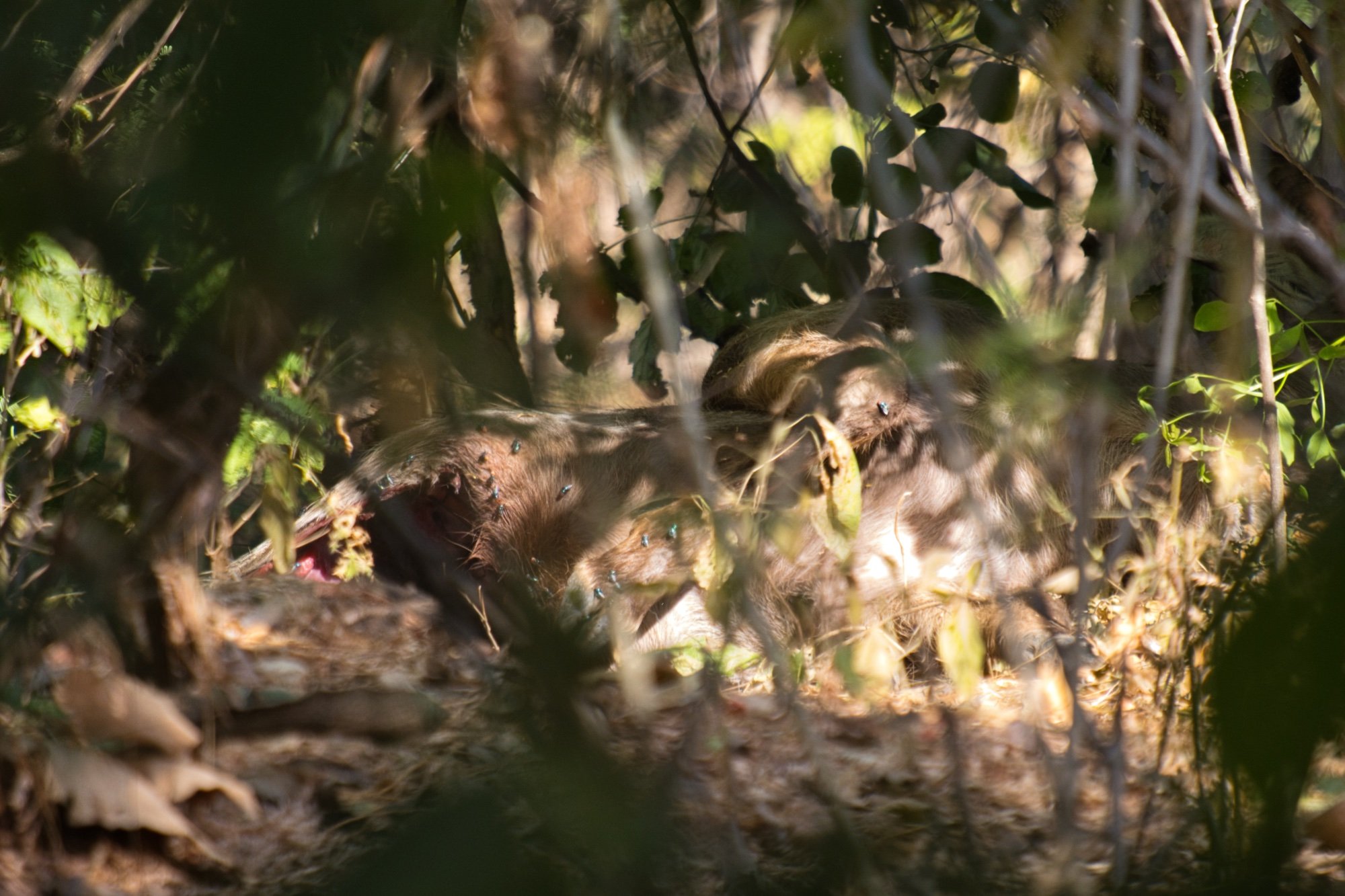
After our first night of rest we awoke to news that a lion had killed its prey at the campsite next to ours, despite the surrounding electric fence. Of course we piled into the truck to go investigate, not allowed to simply walk “next door”, but only saw evidence of the kill. Perhaps the lion simply retreated behind the bushes while we hoped for a sighting of him or her devouring their prey.
Or maybe we shouldn’t be hoping for a sighting? At least not within striking distance of our clan, though we were flanked by local park rangers, unarmed. (Still, having the paid pros with us made us feel better.)
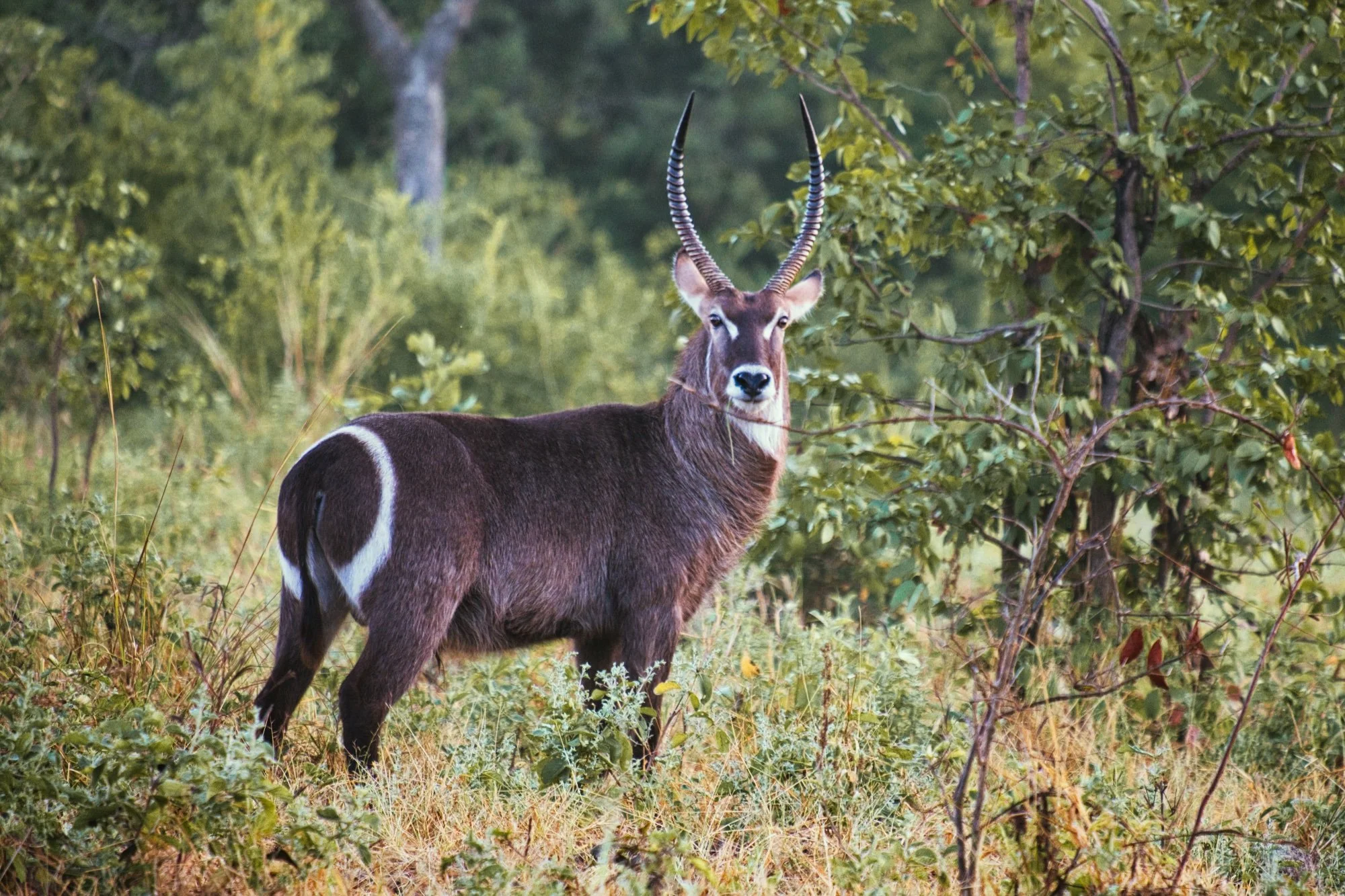
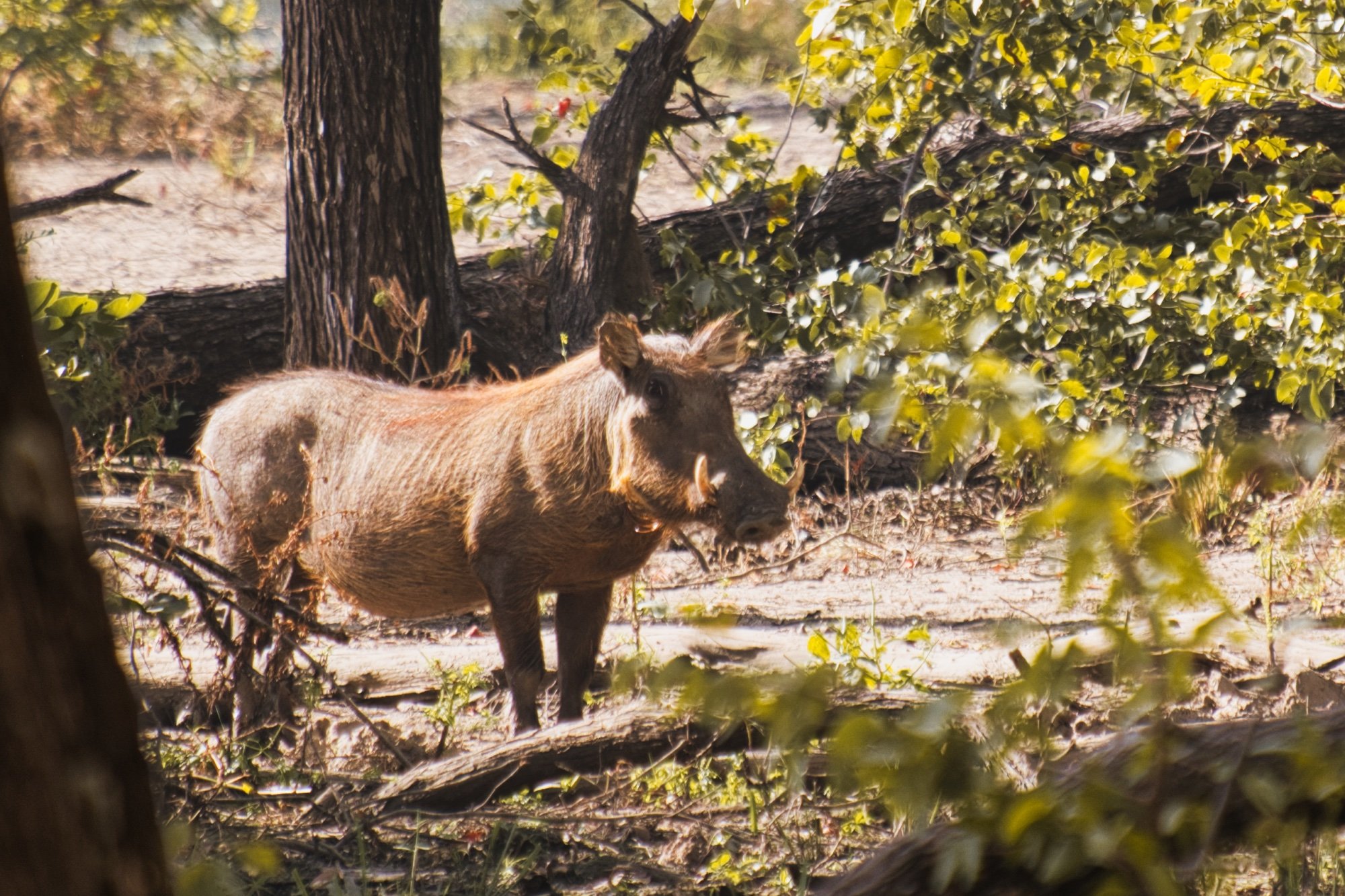
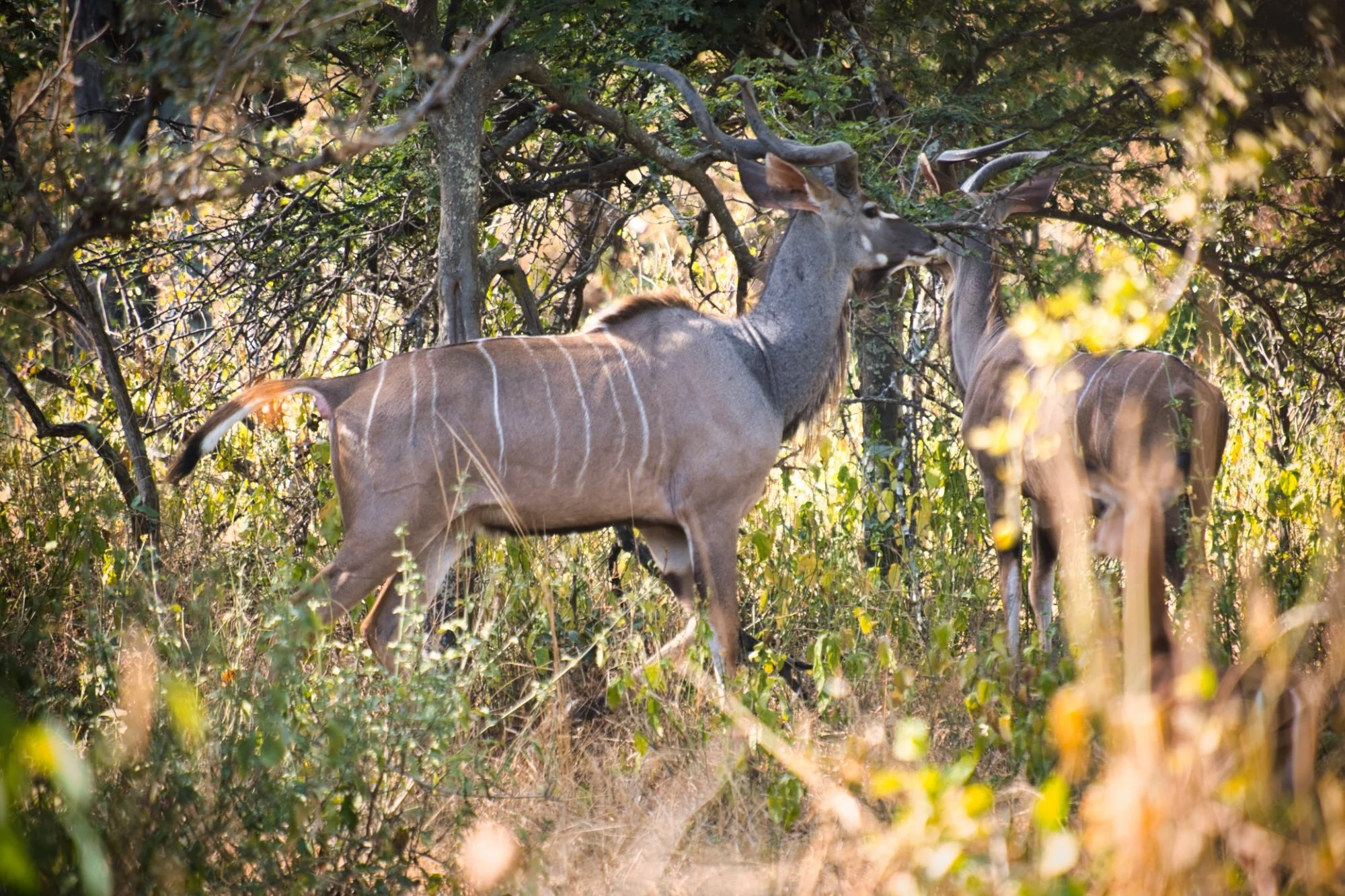
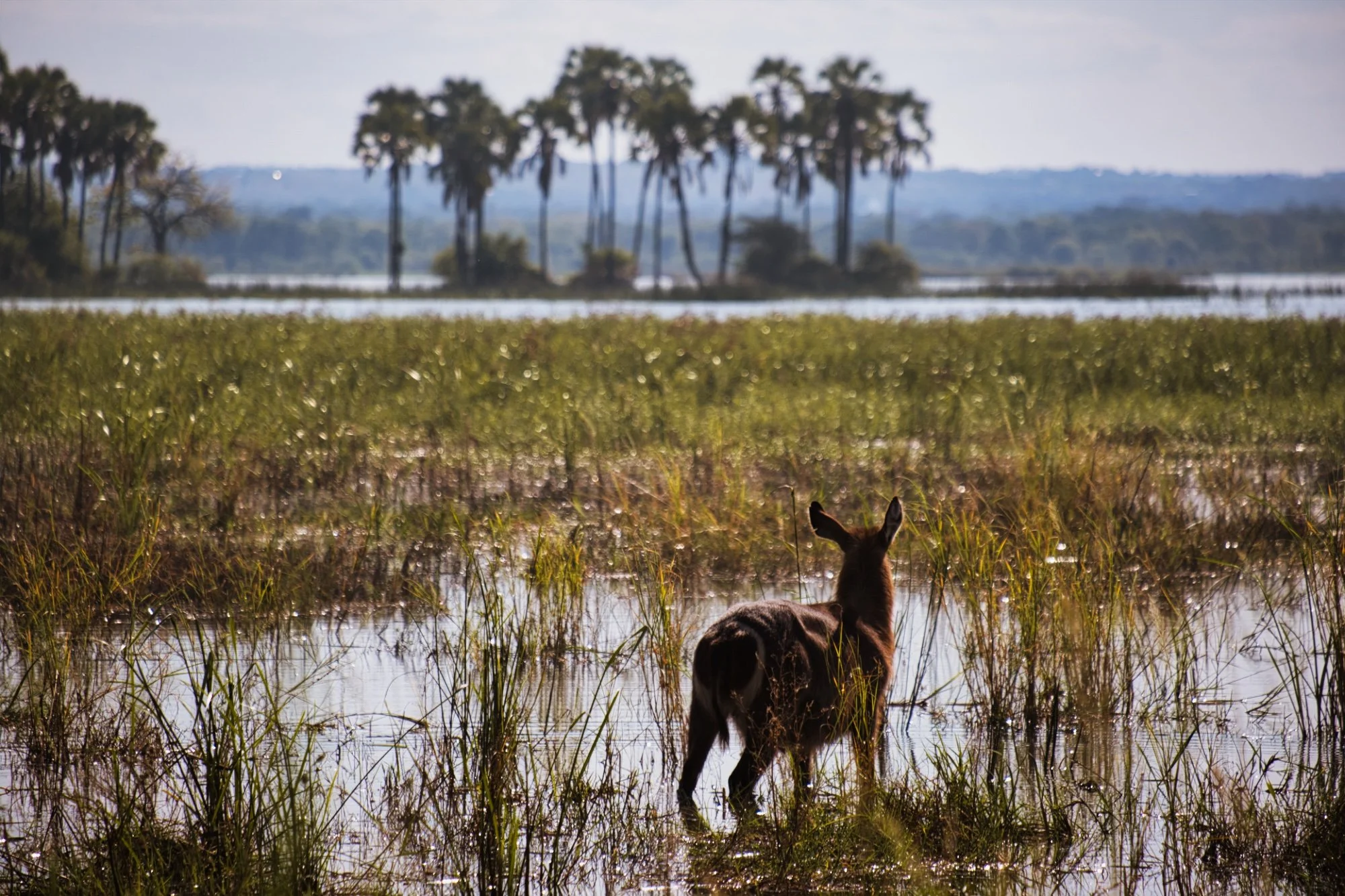
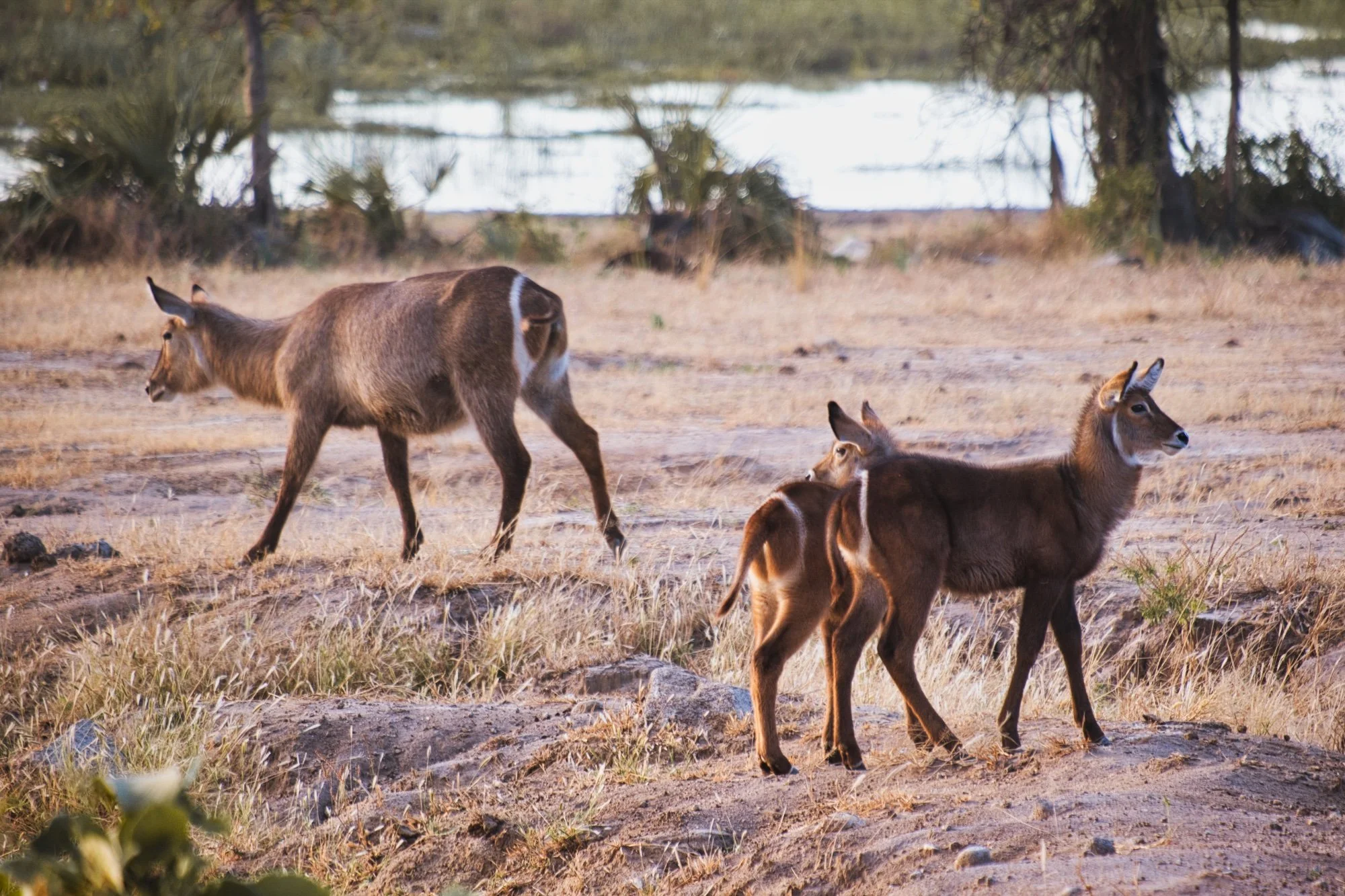
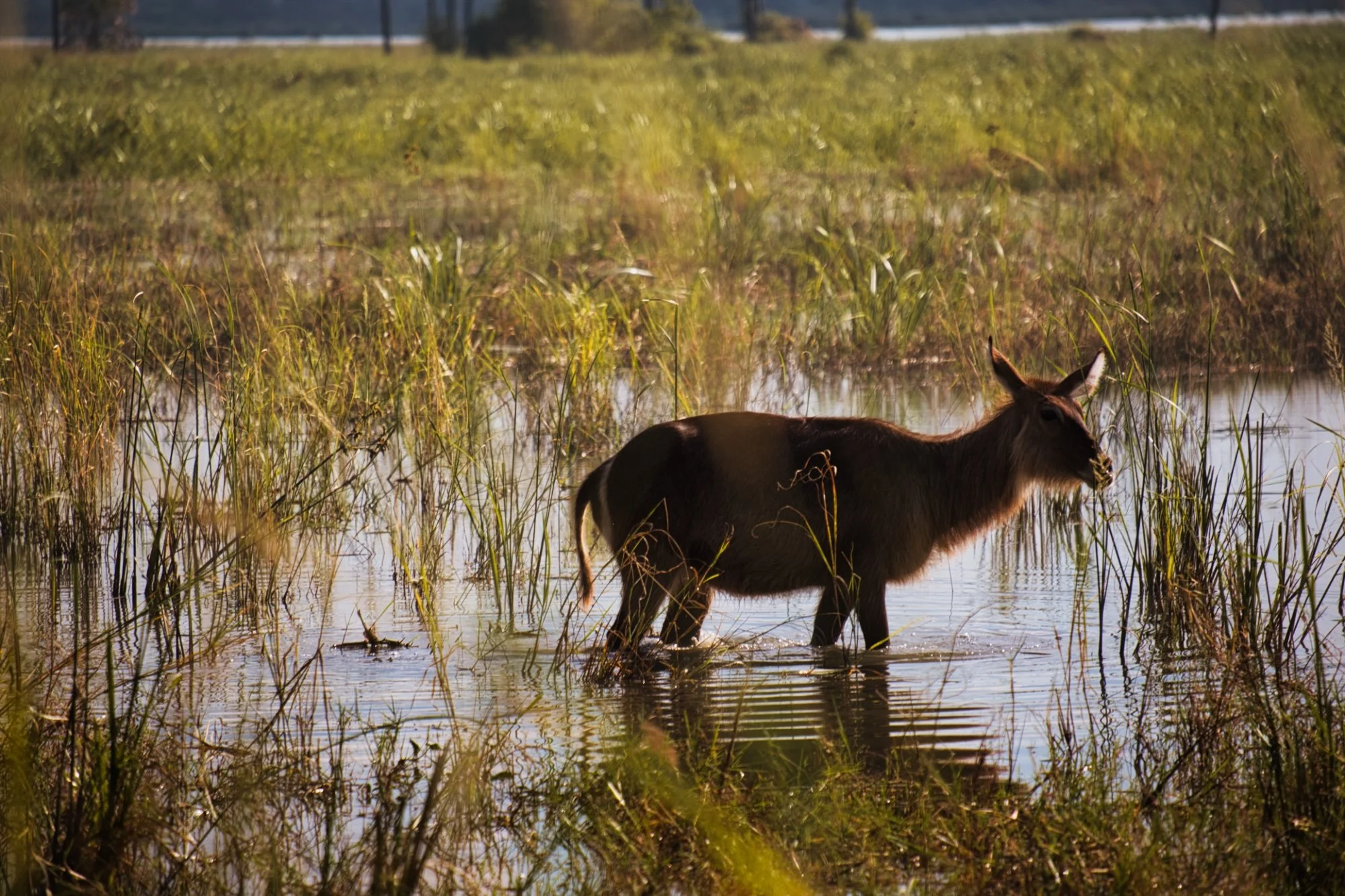
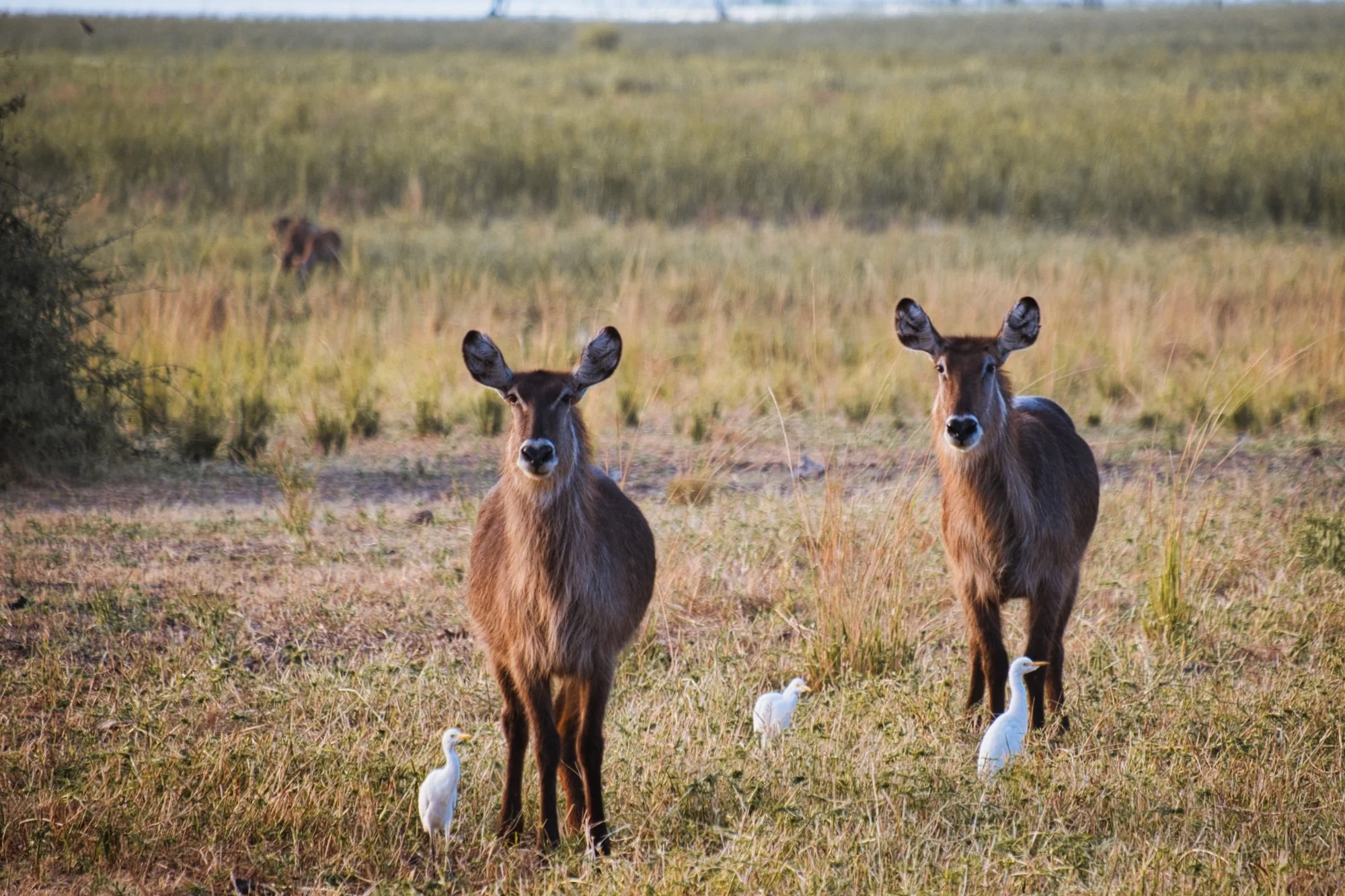
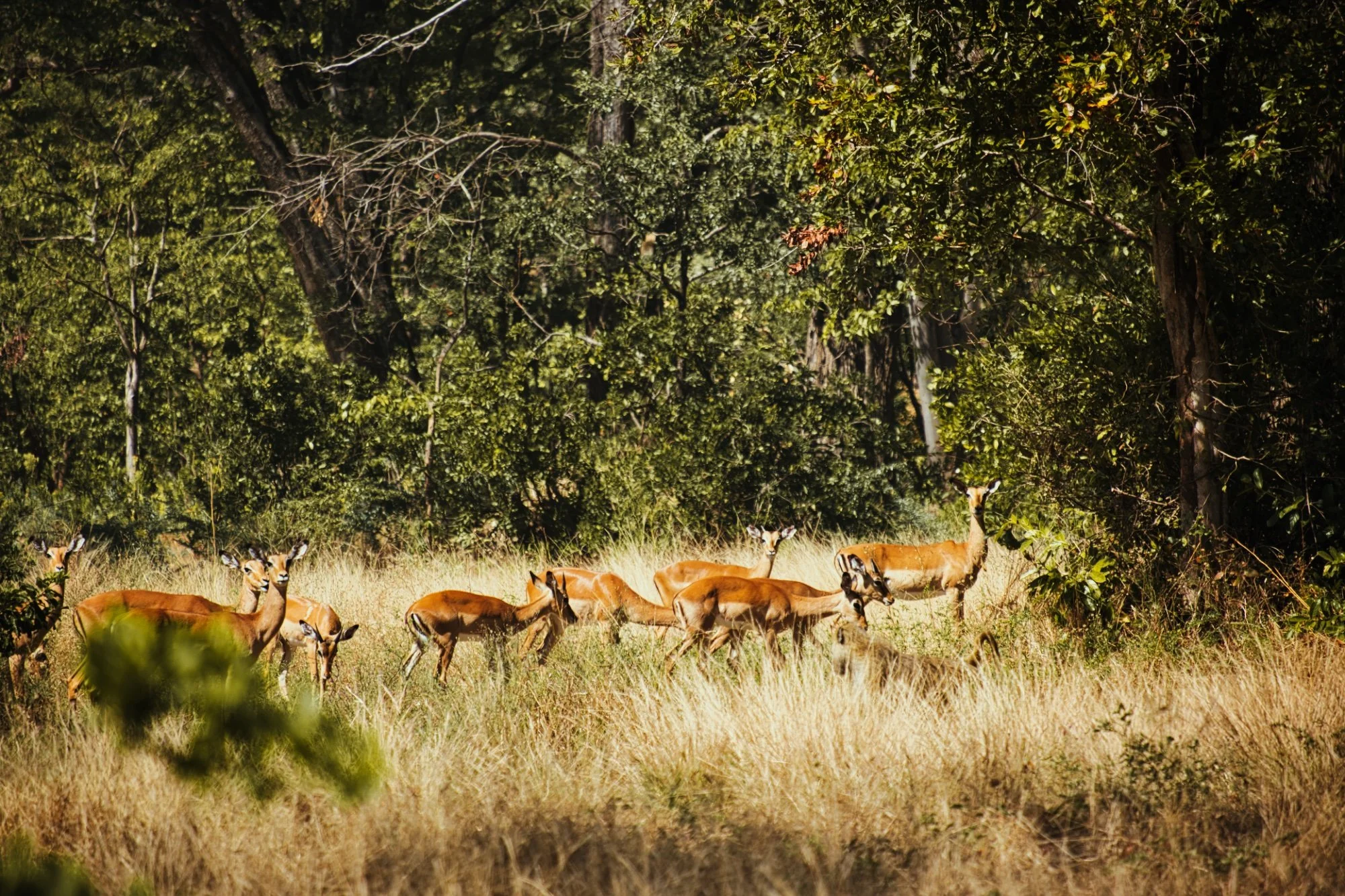
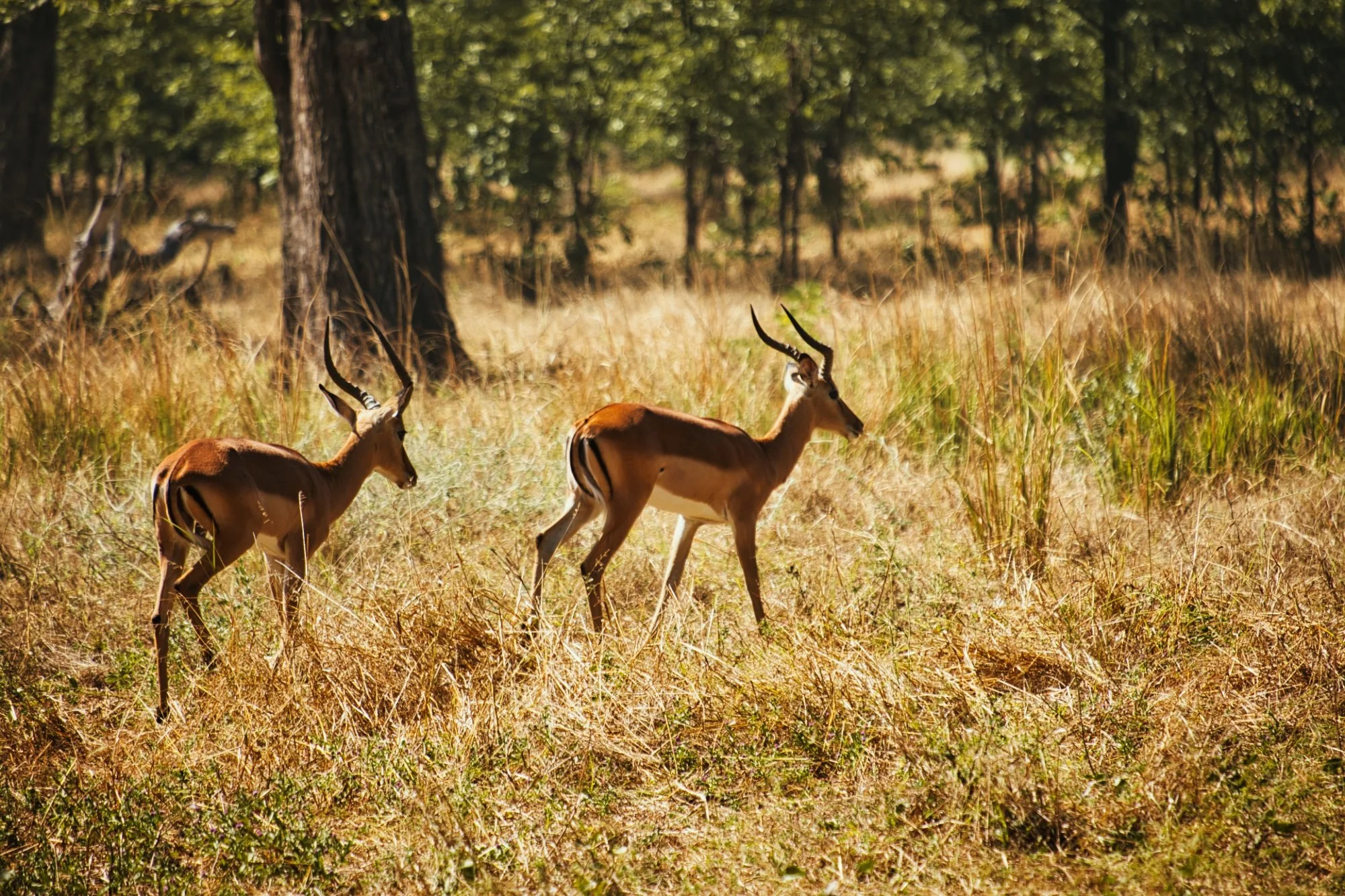
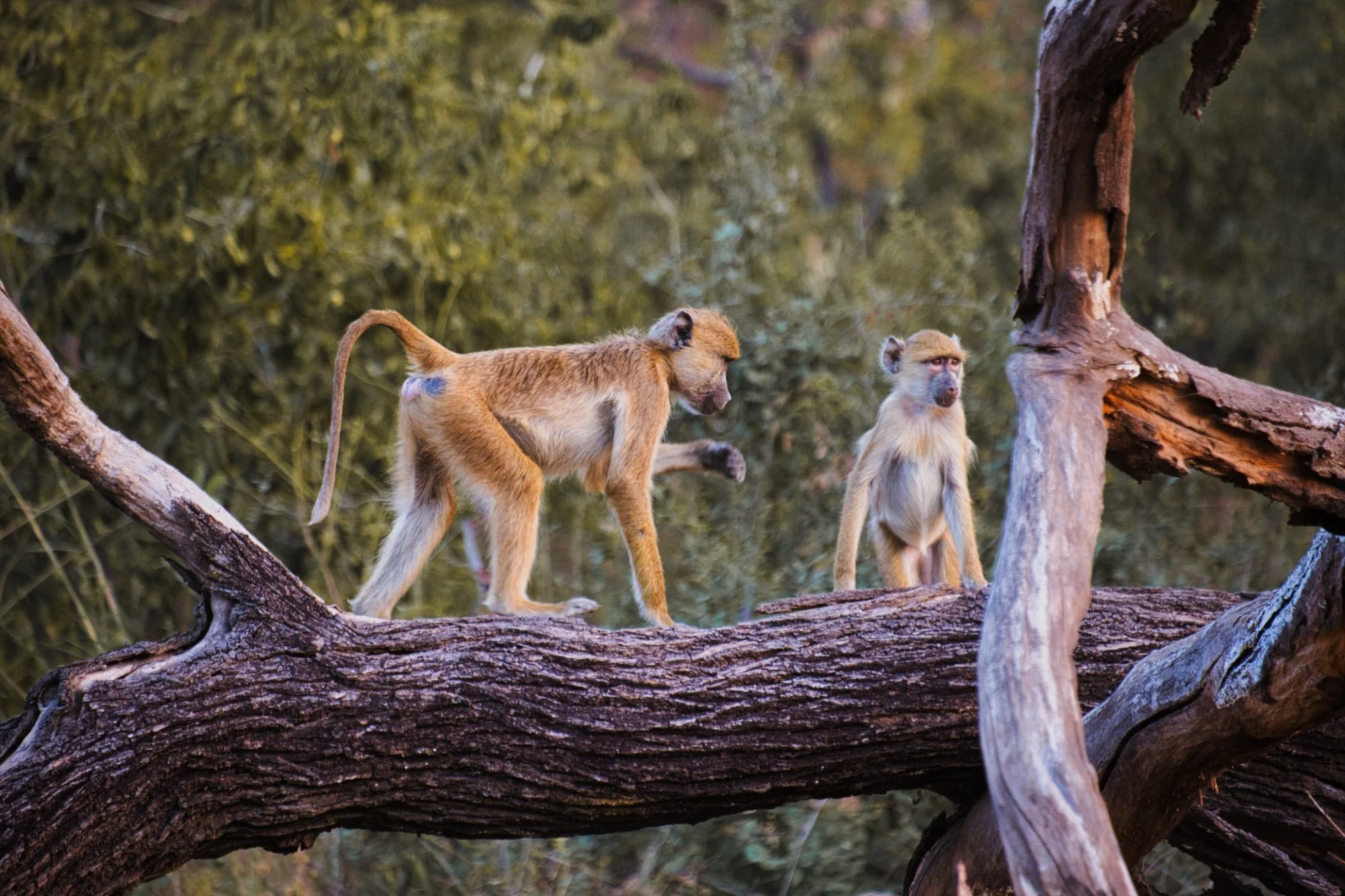
Baboons, Bushbuck, Impalas, Kudu, Monkeys, Waterbuck and Warthogs…
Liwonde is a moving kaleidoscope of various smaller mammals. Some seem to prefer hanging out with their own kind, while others freely move together as friends.
I’m always entertained by the white circles surrounding the waterbuck backside (“target butts”, as we call them), or the scurry of the warthog as it heads off into the grass, long tails erect and surprisingly long.
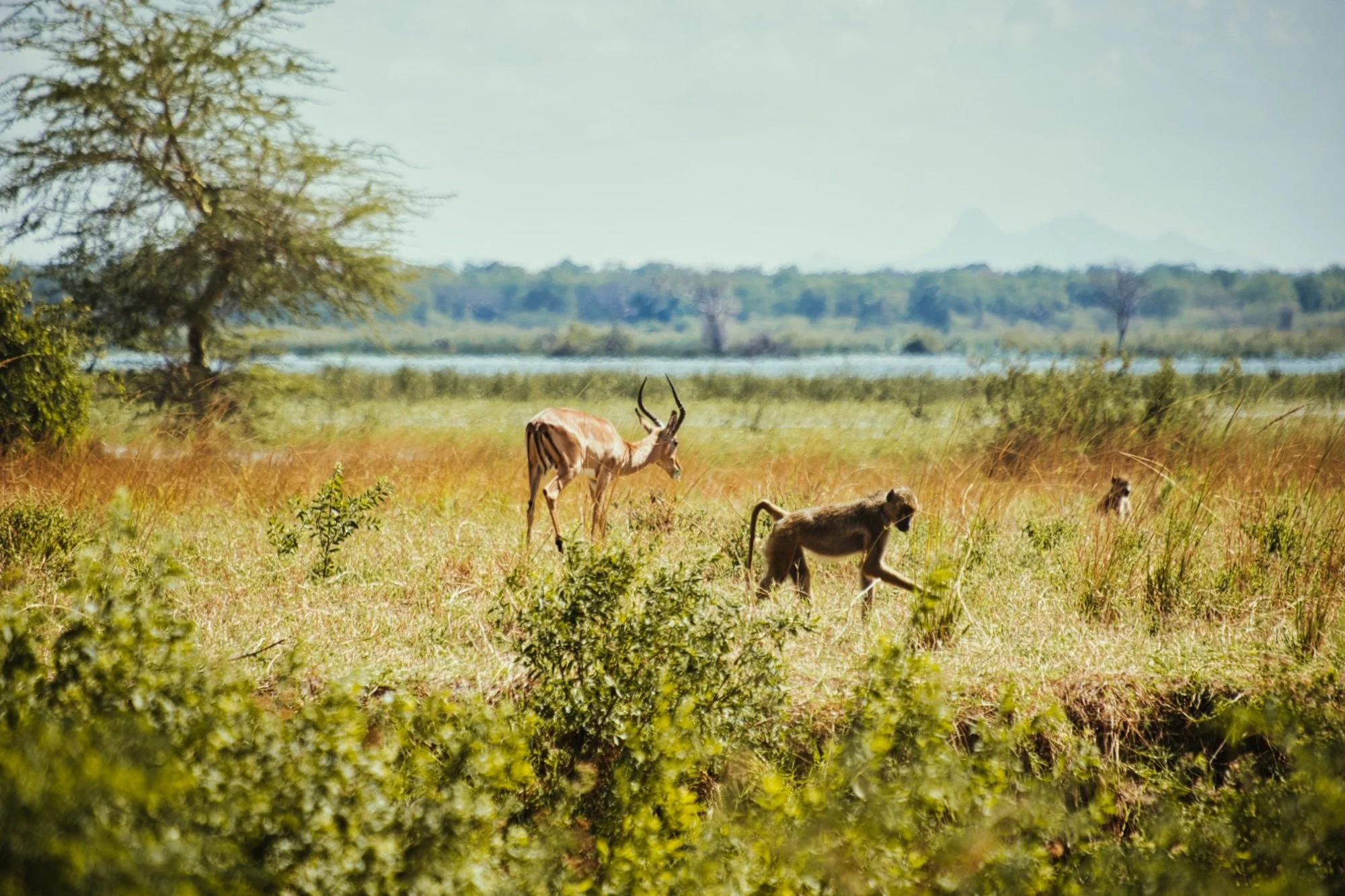
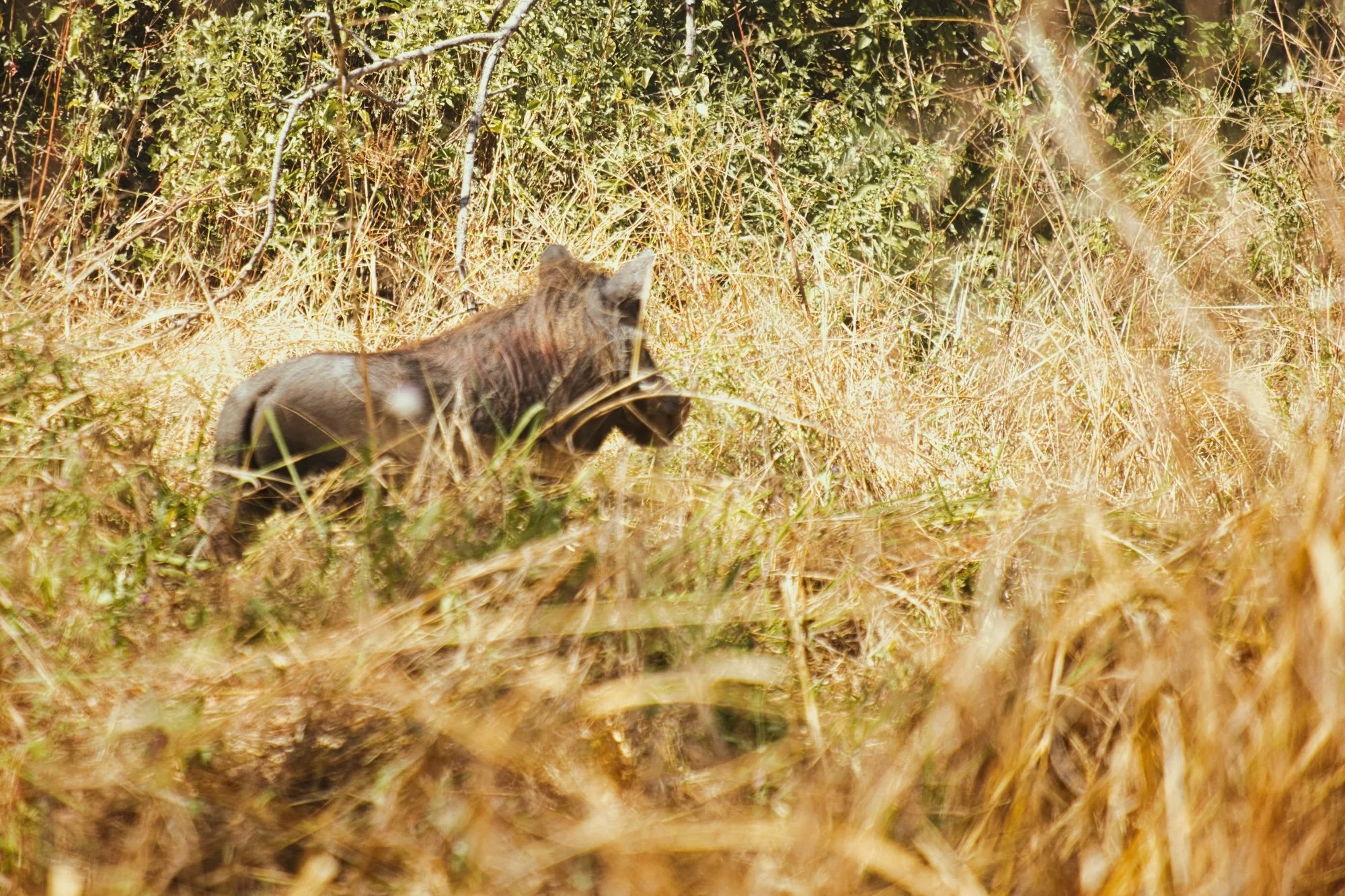
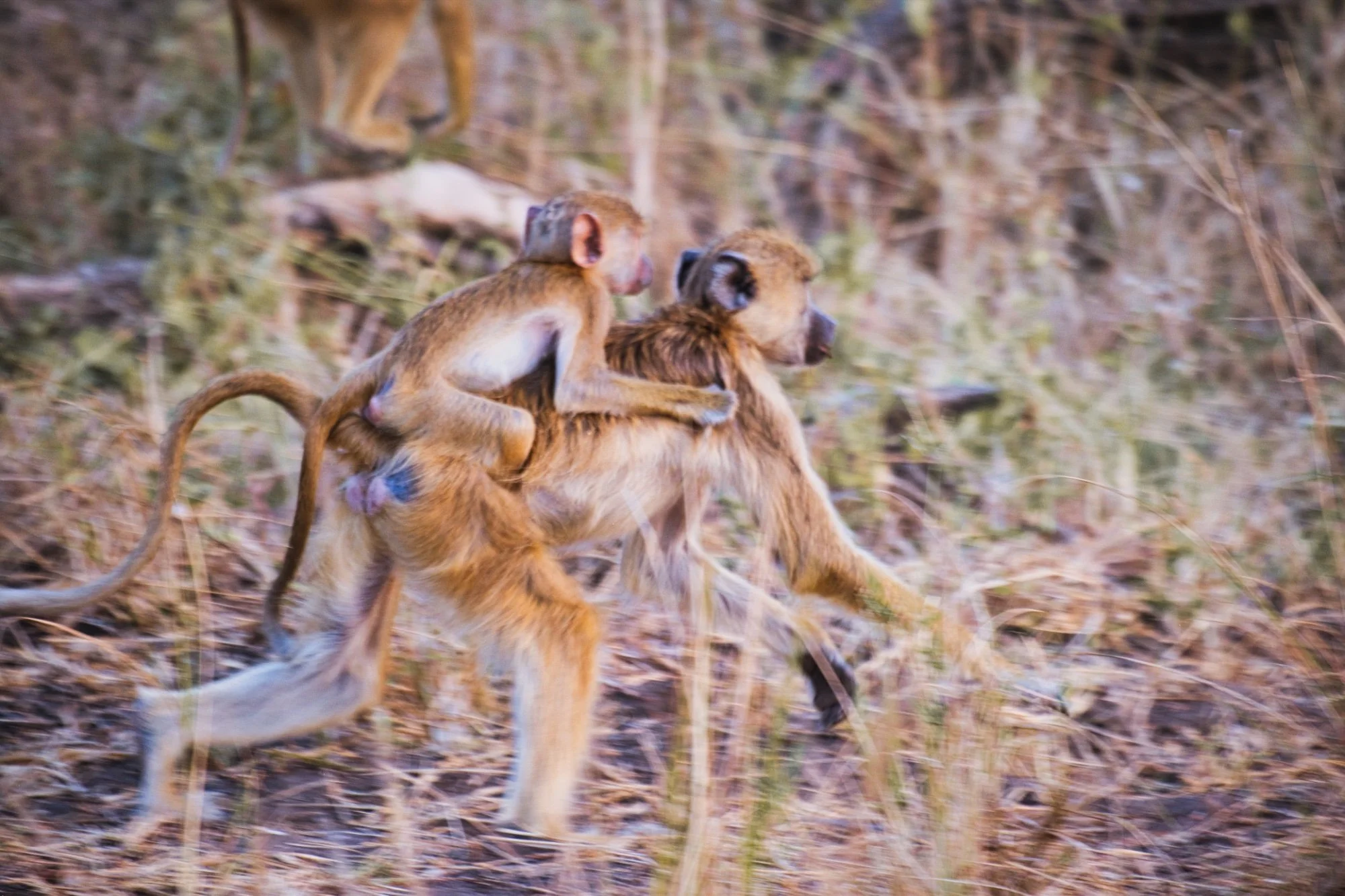
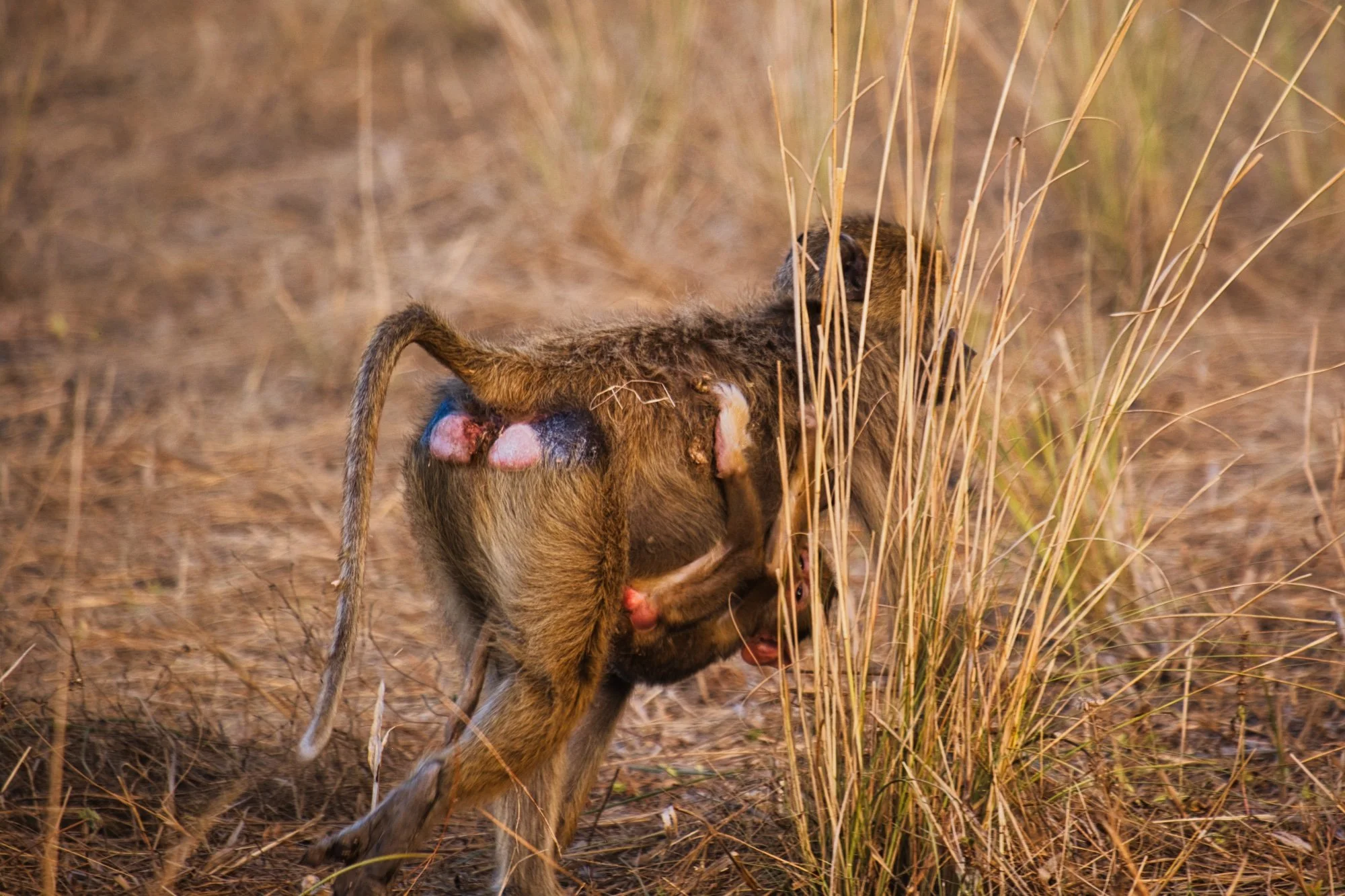
Boat Safari
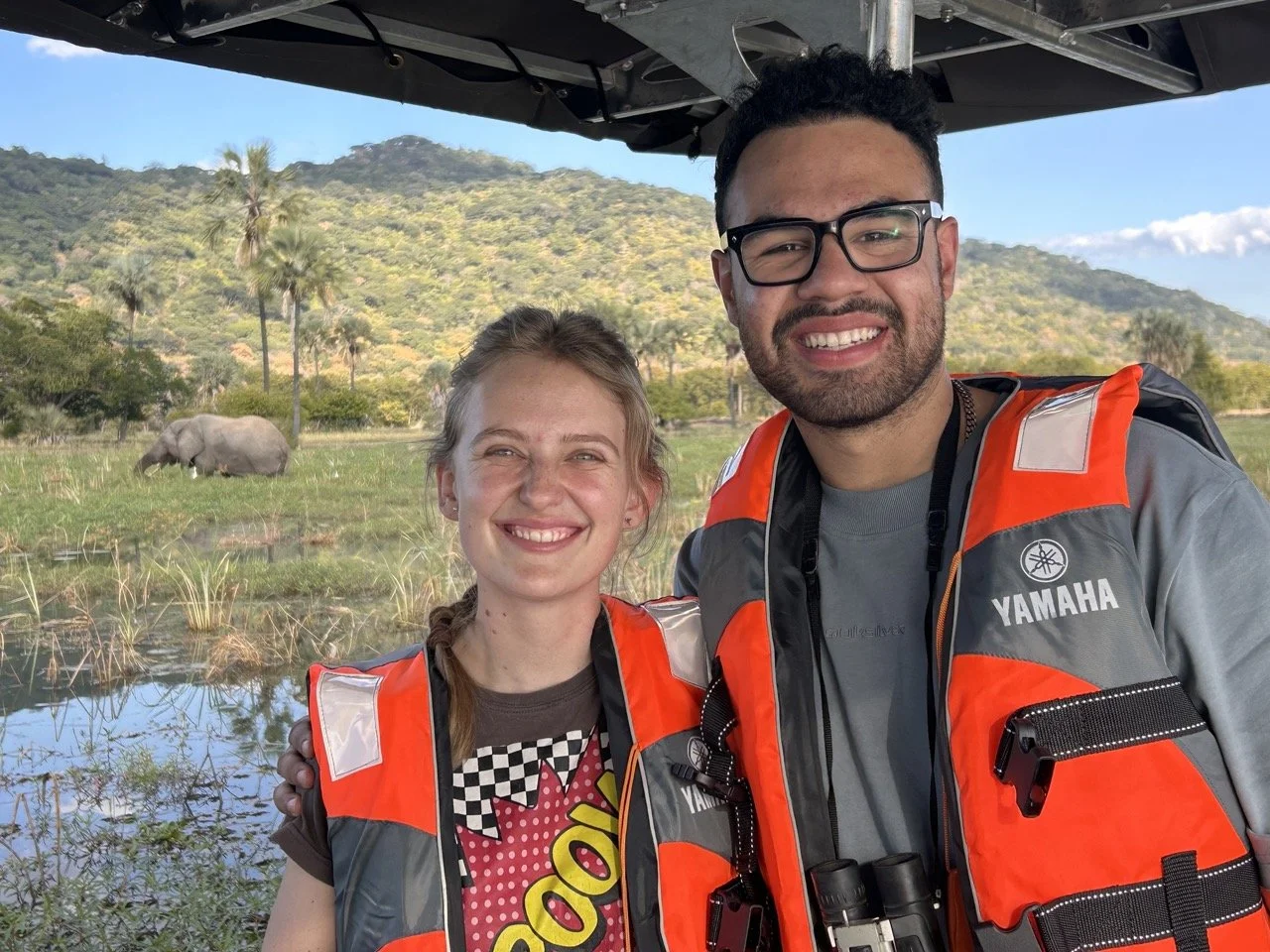
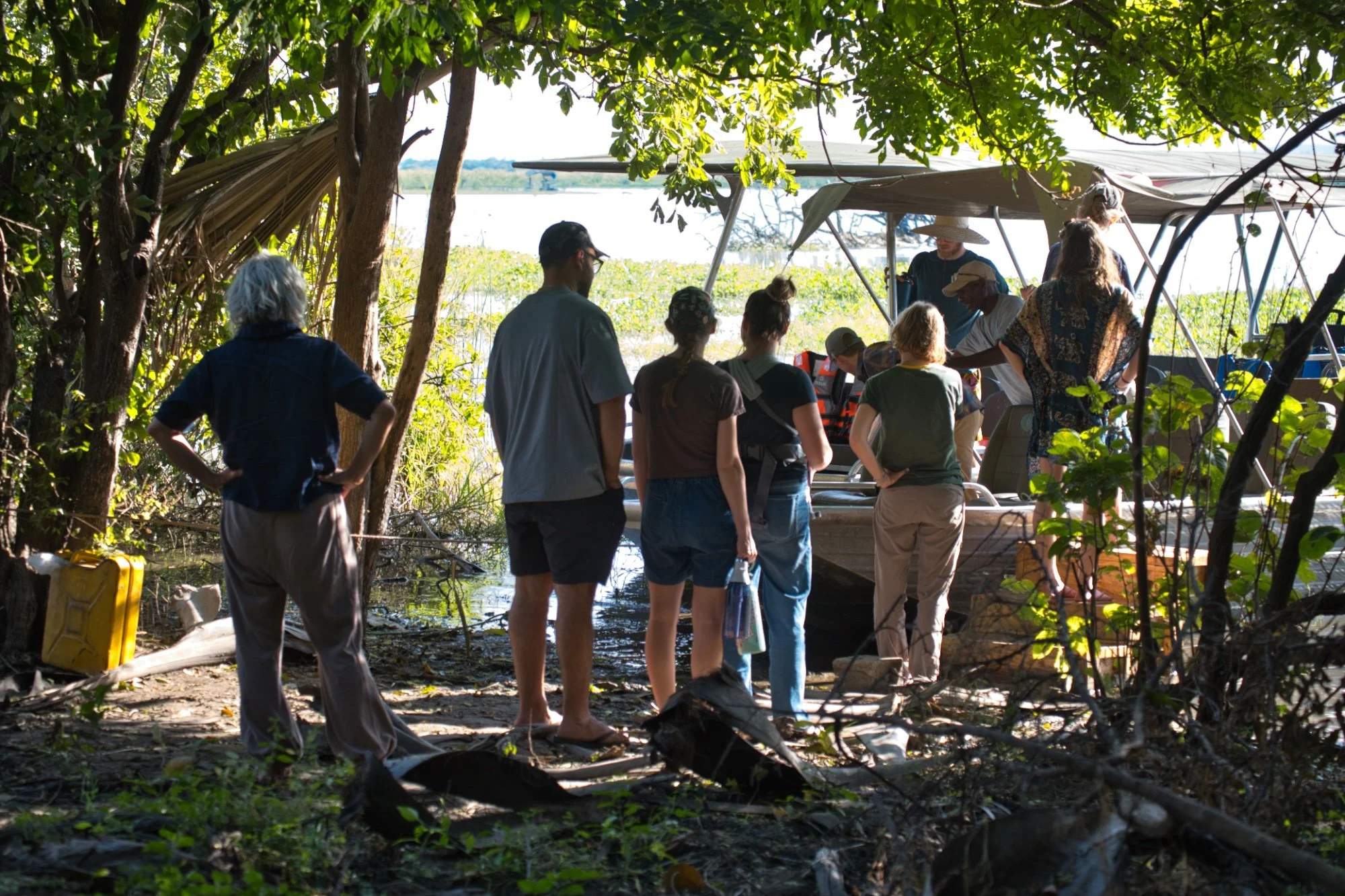
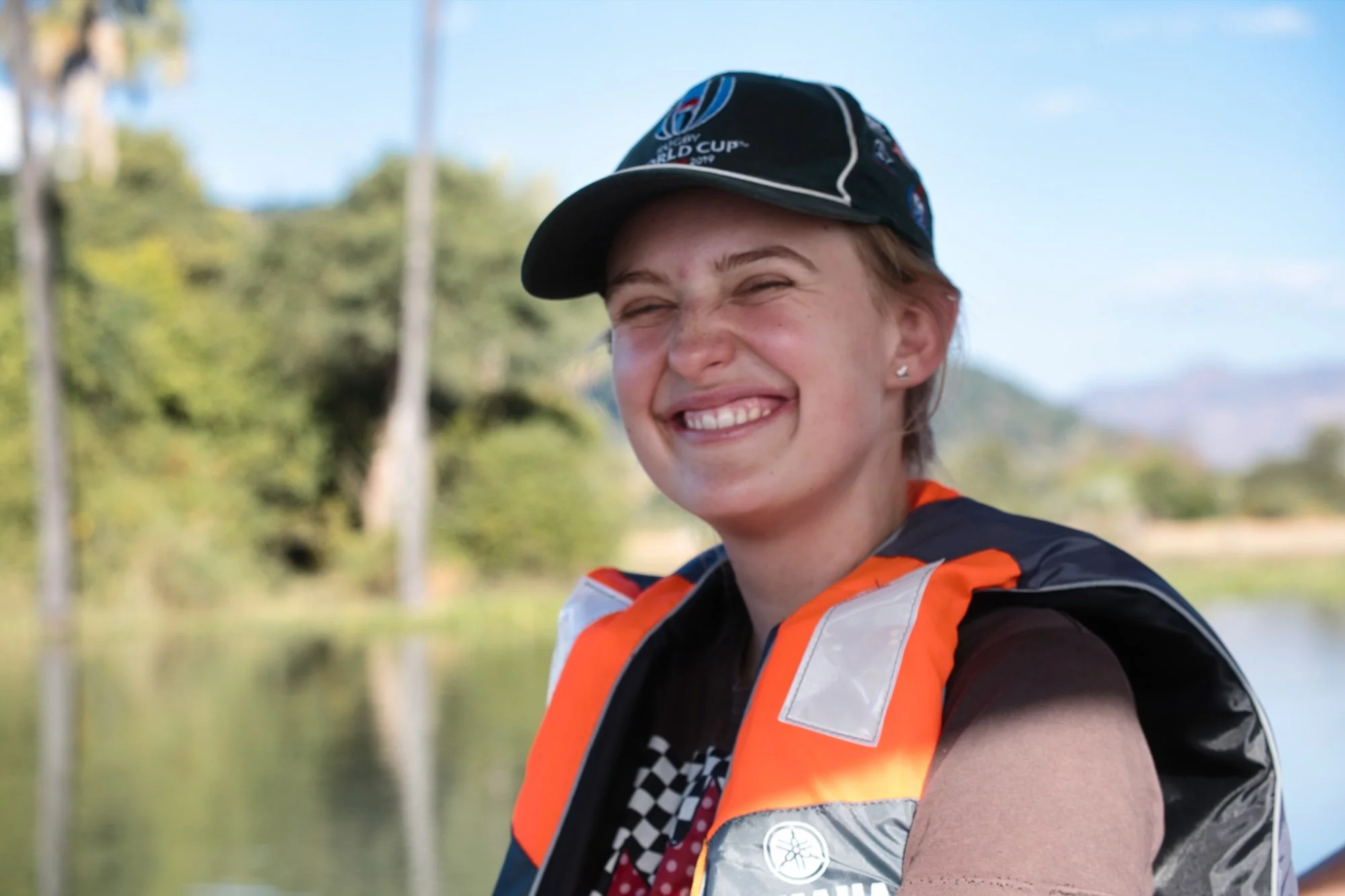
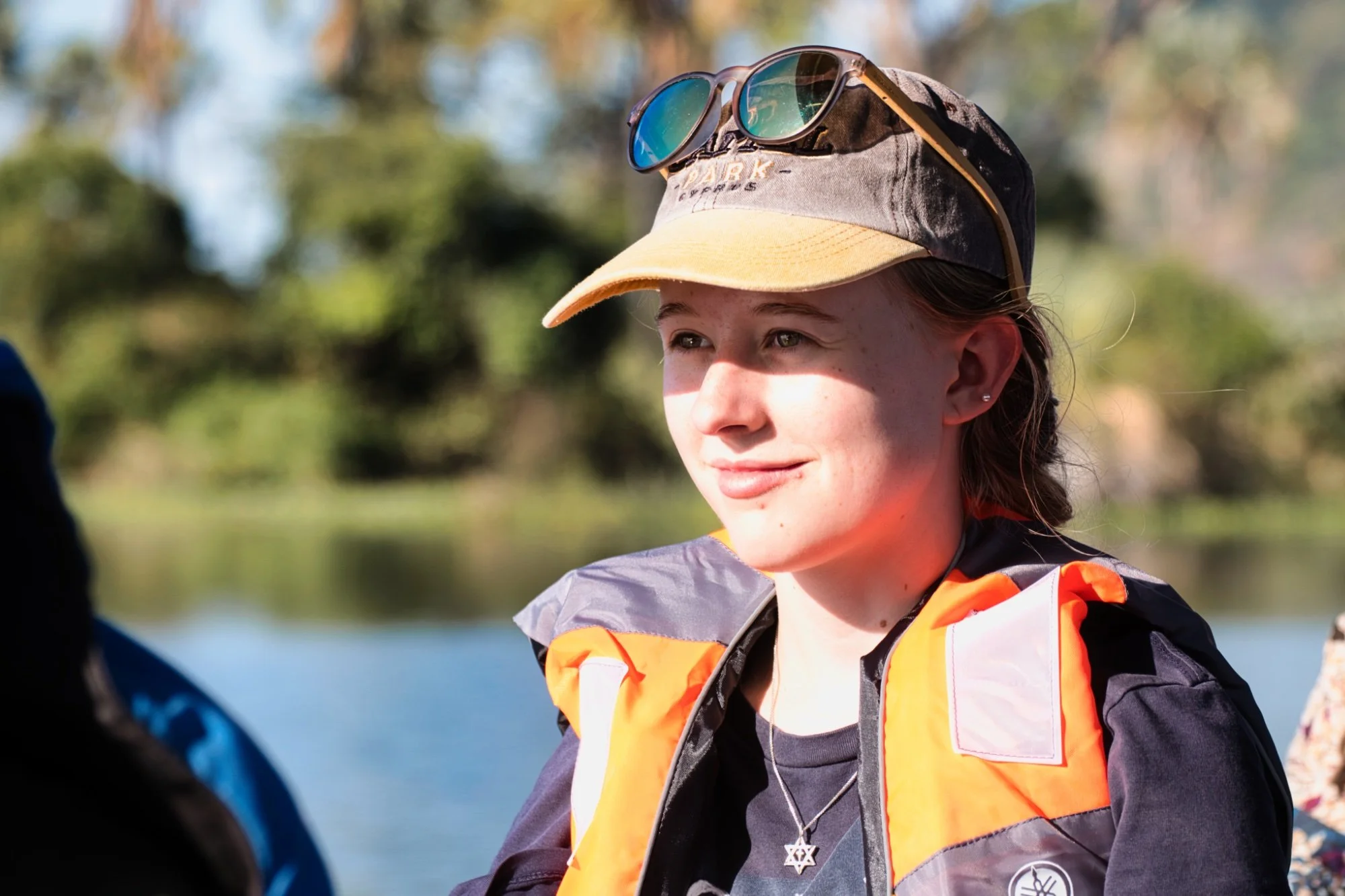
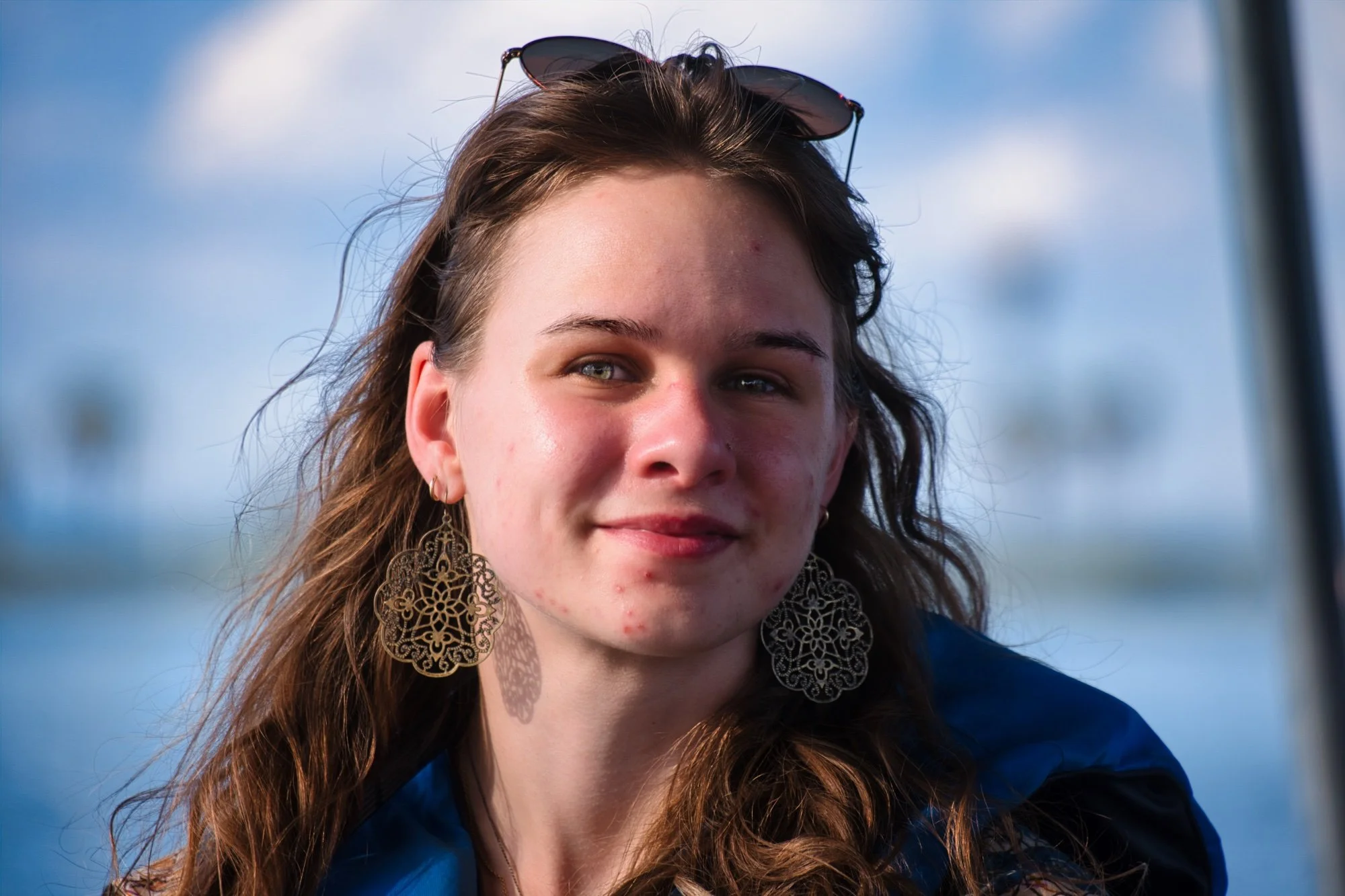
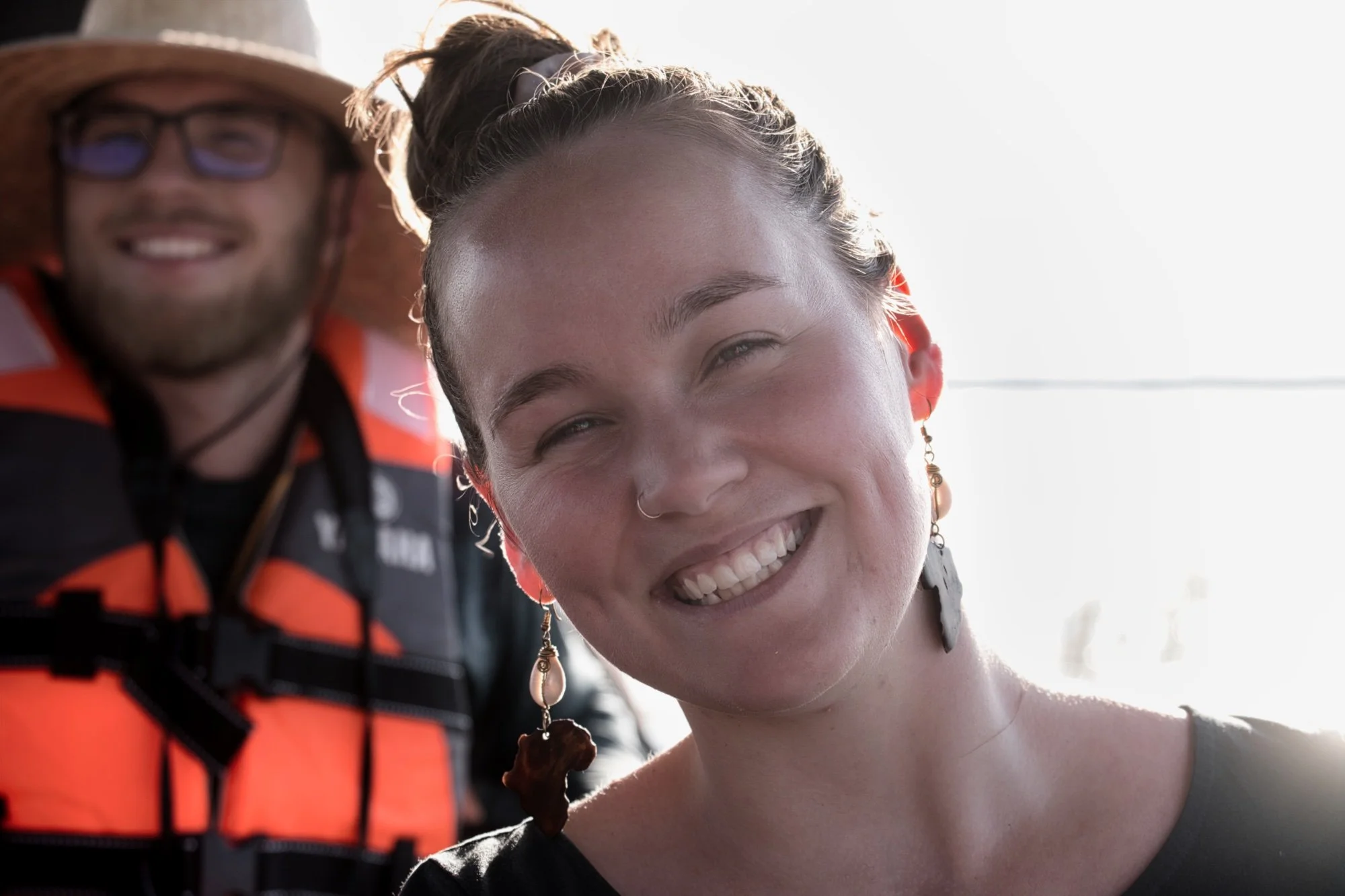
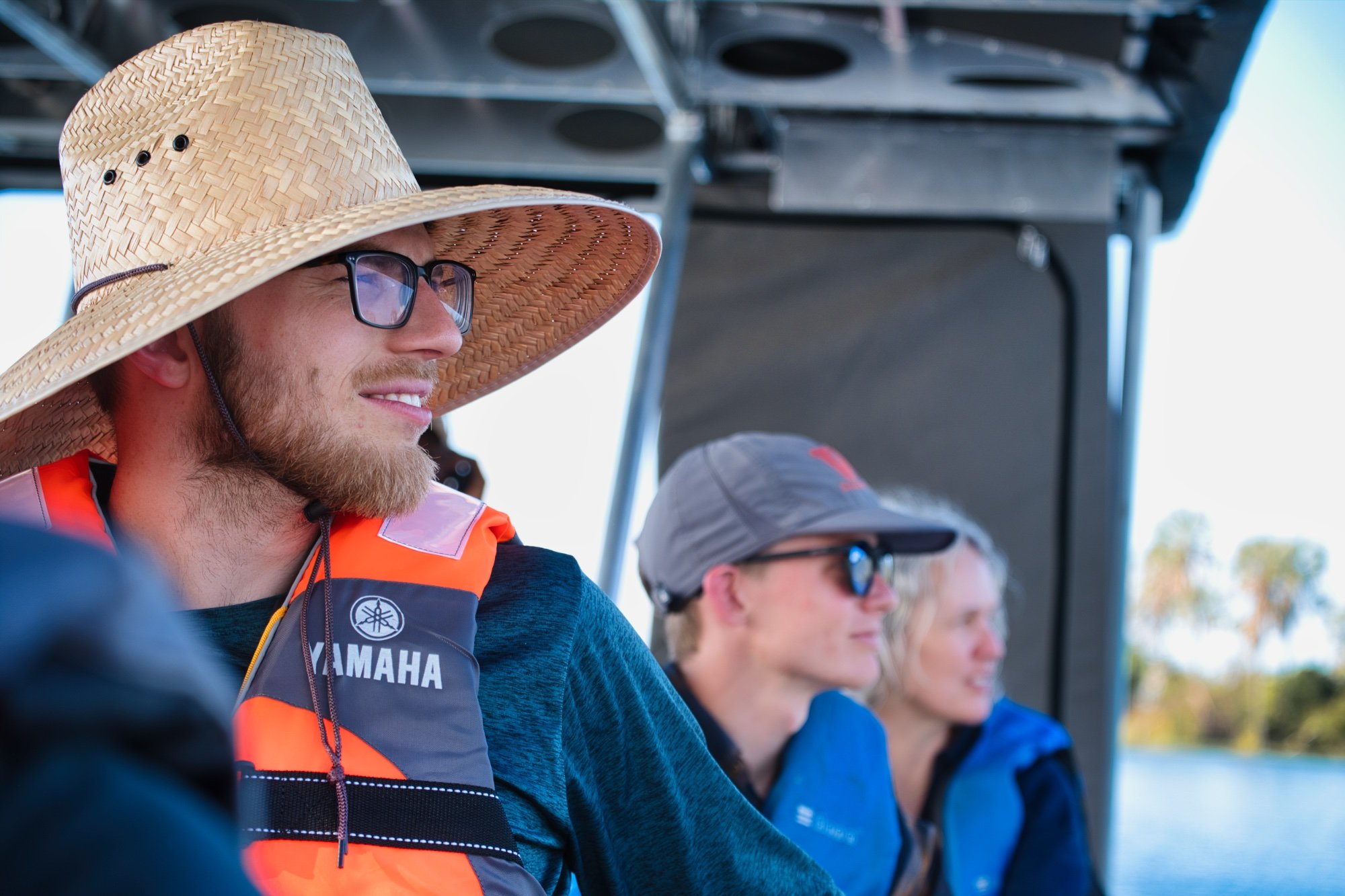
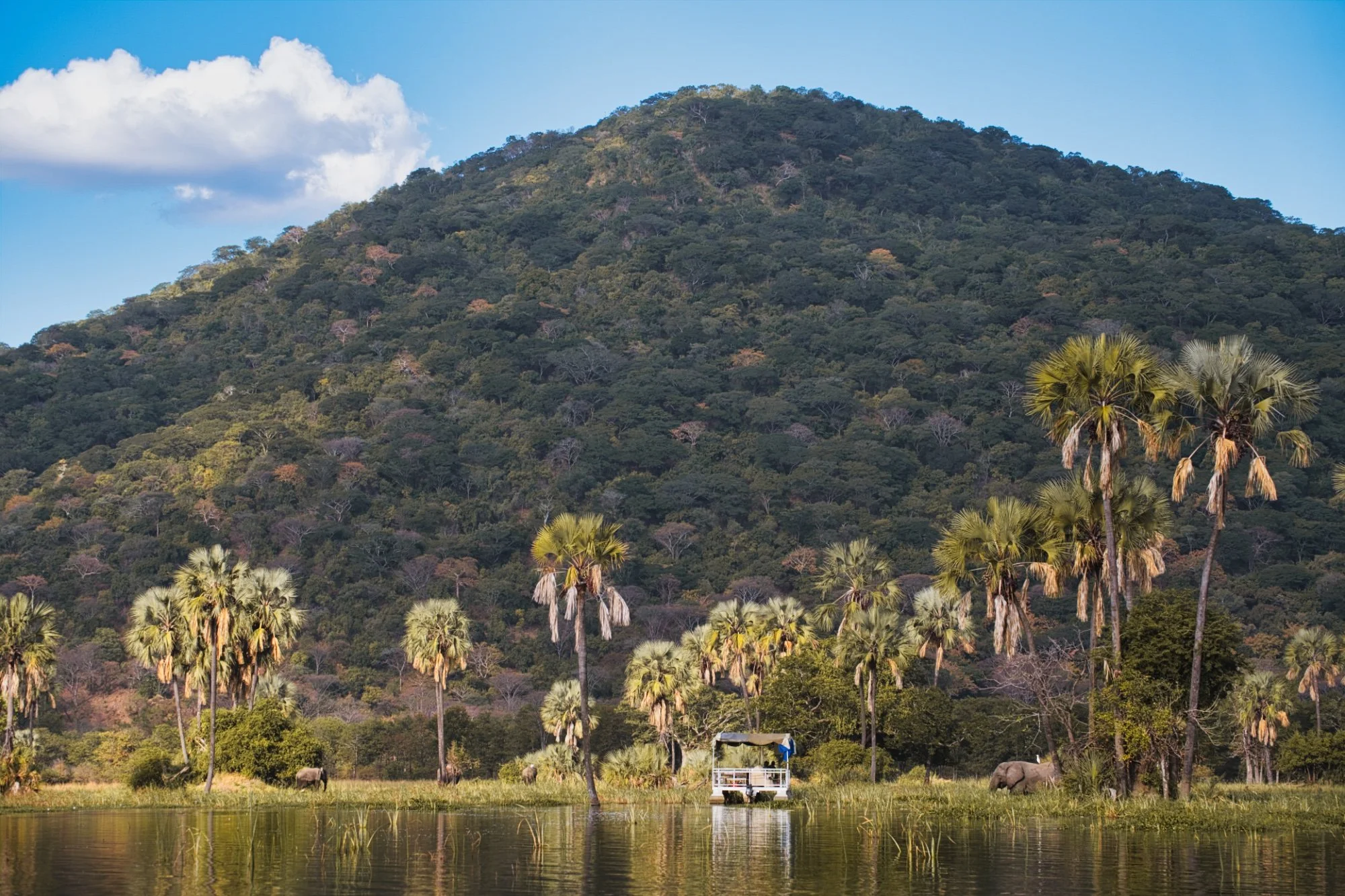
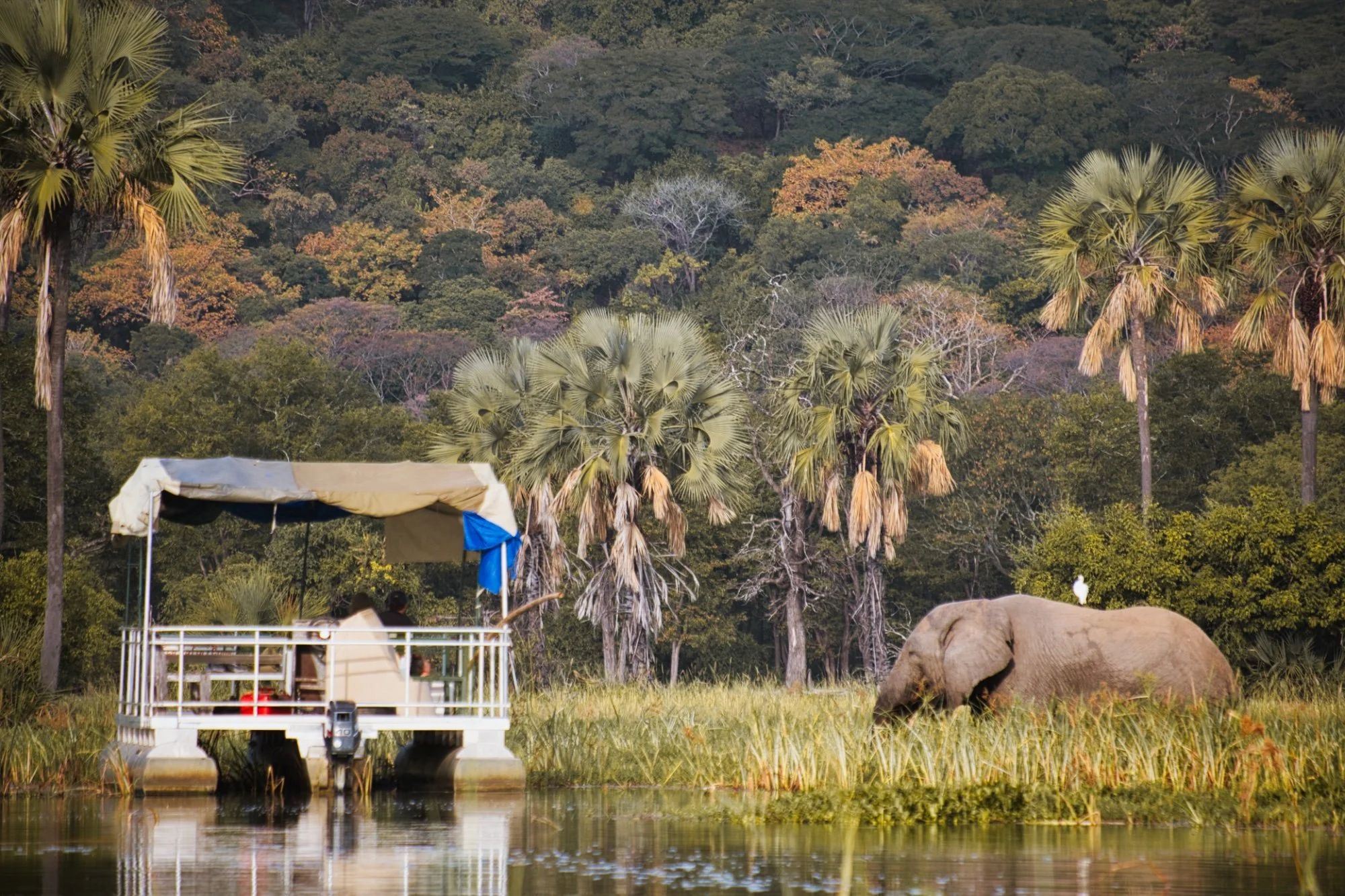
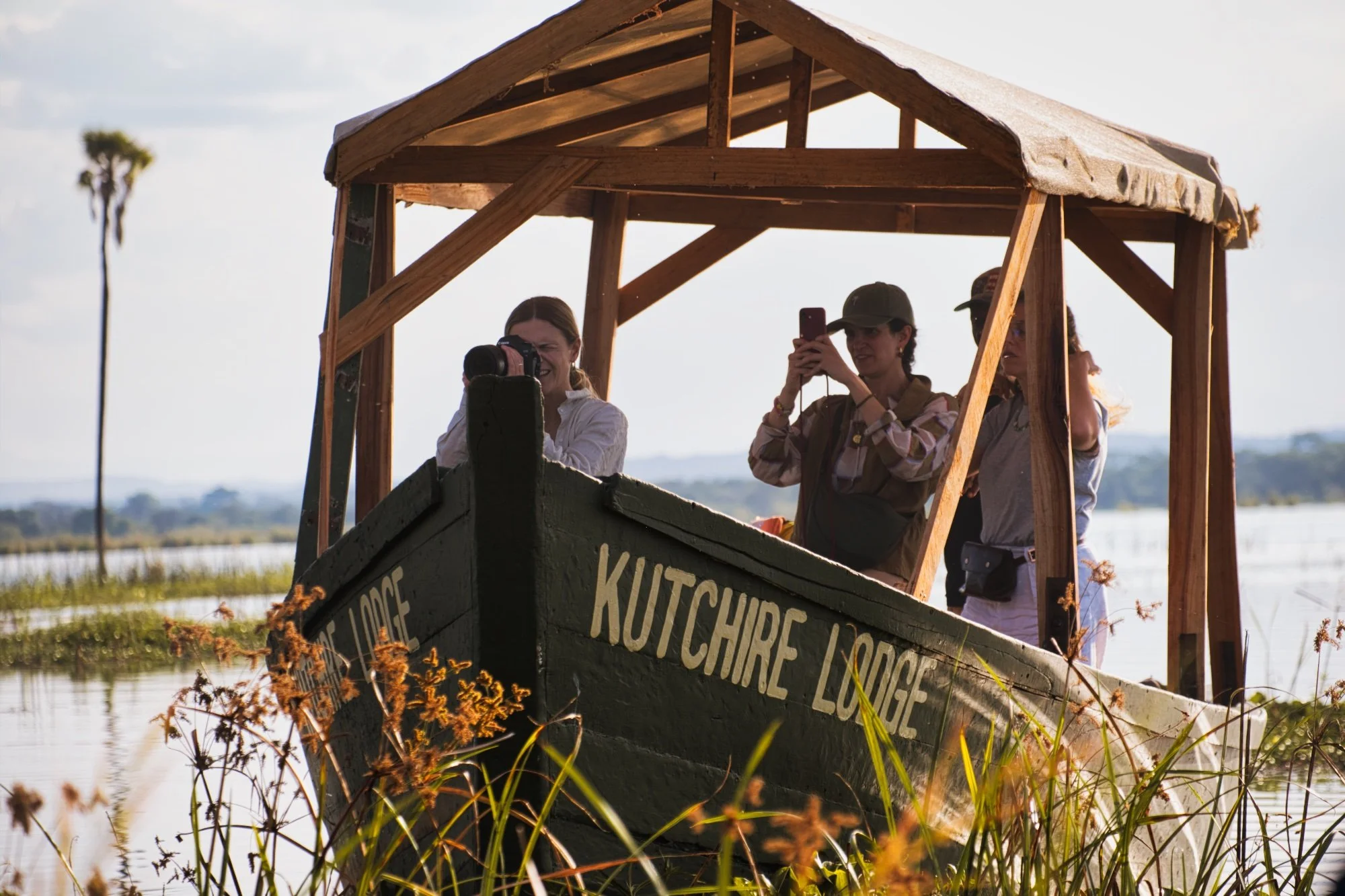
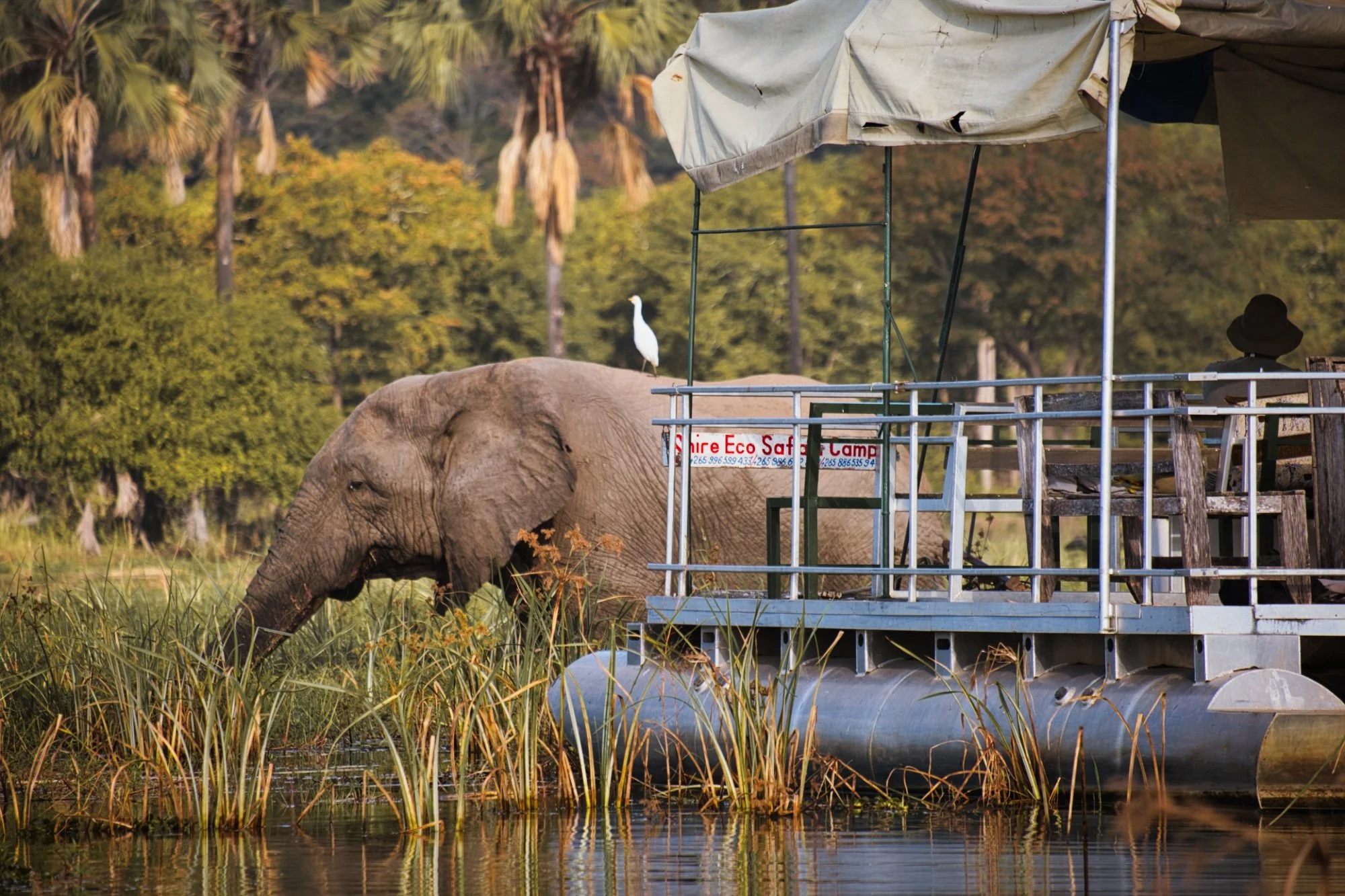
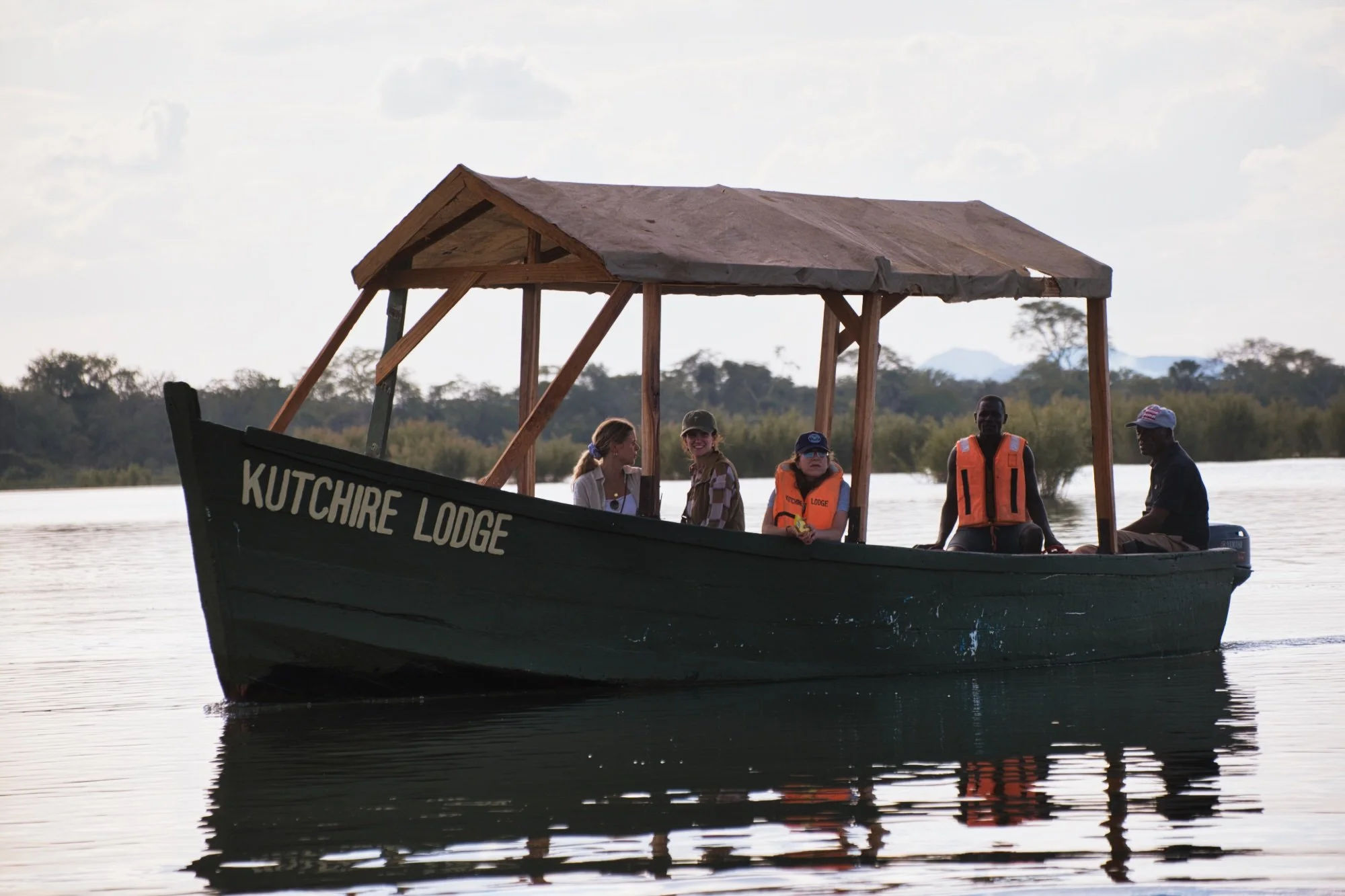
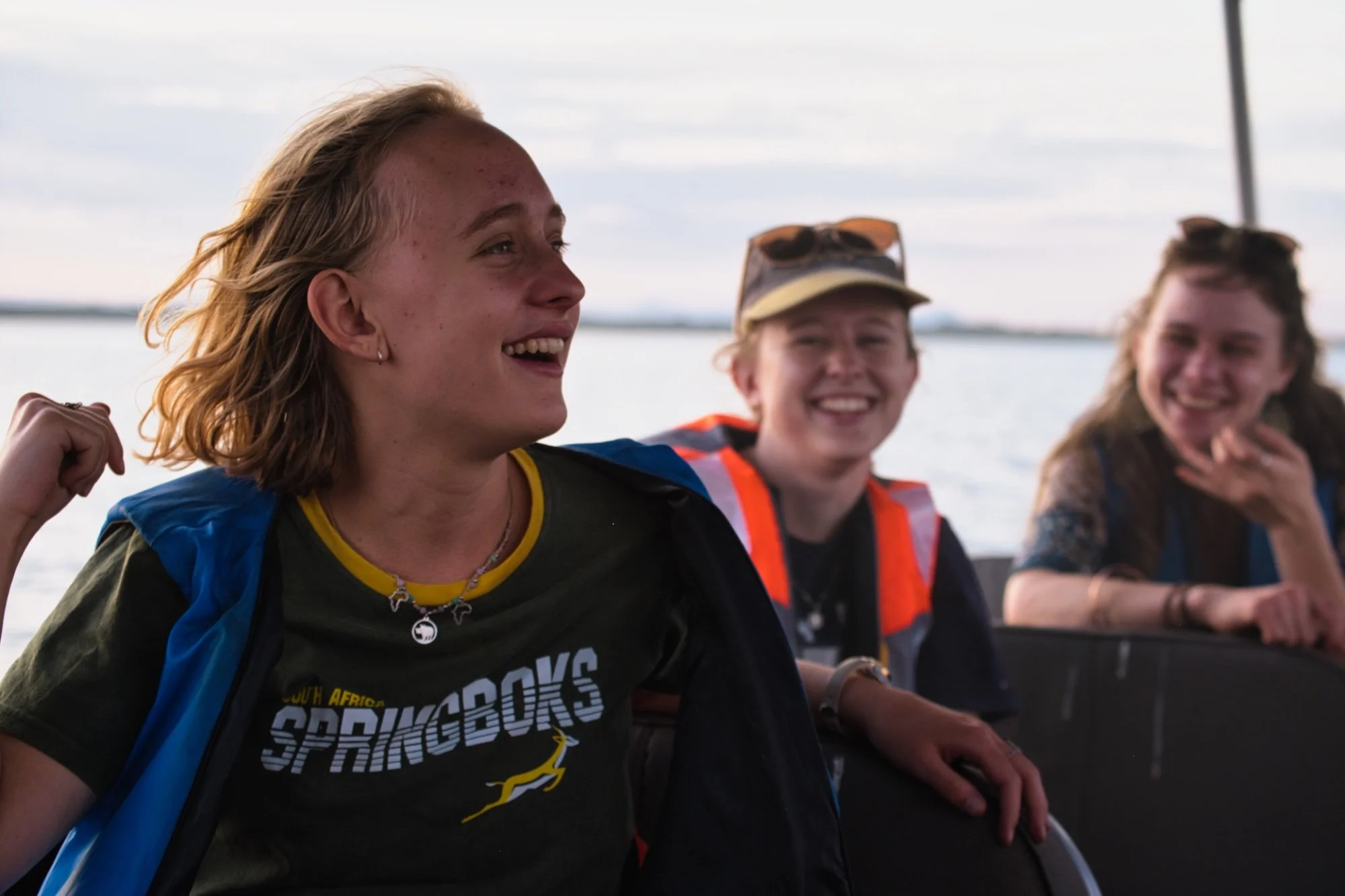
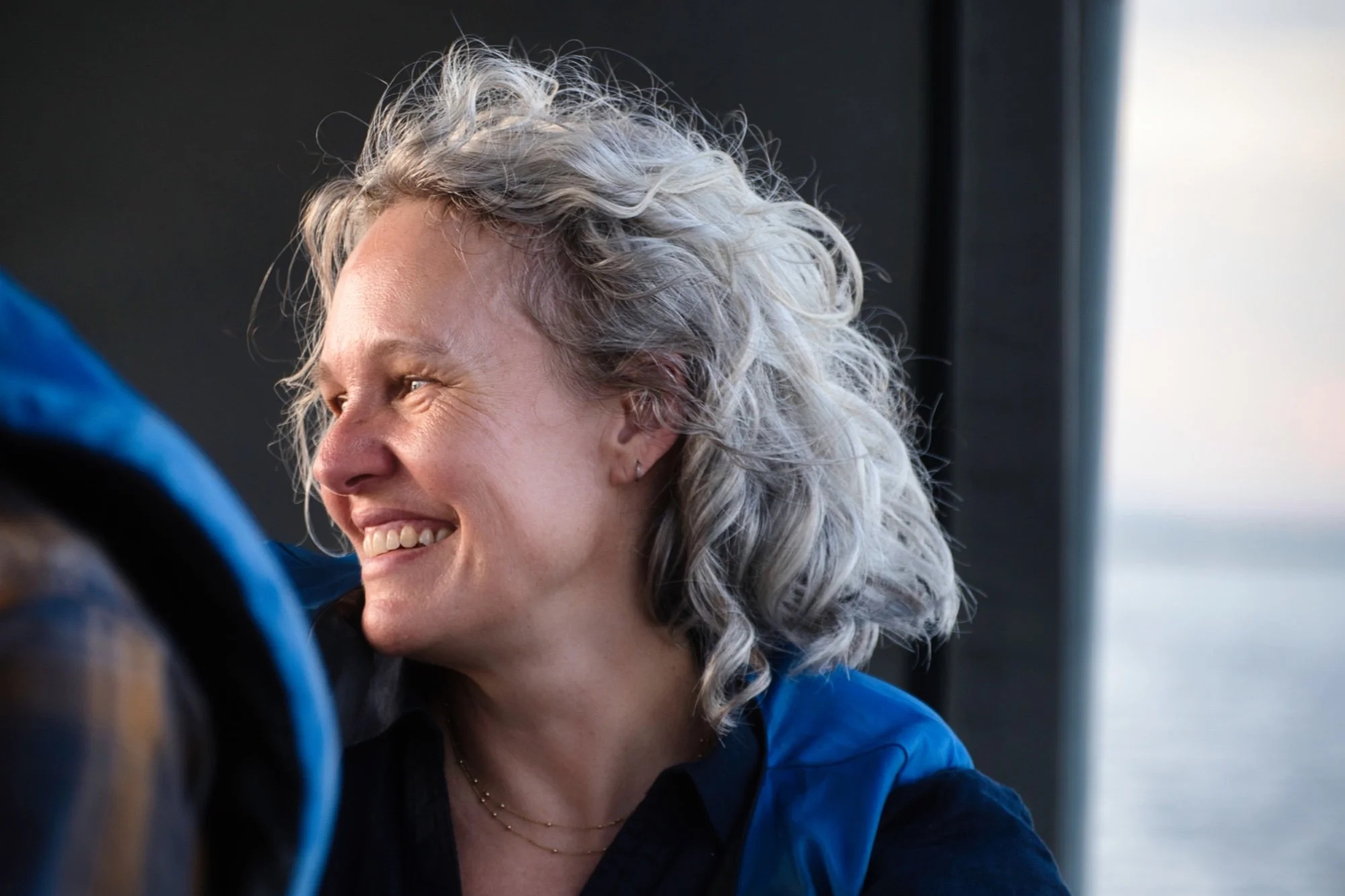
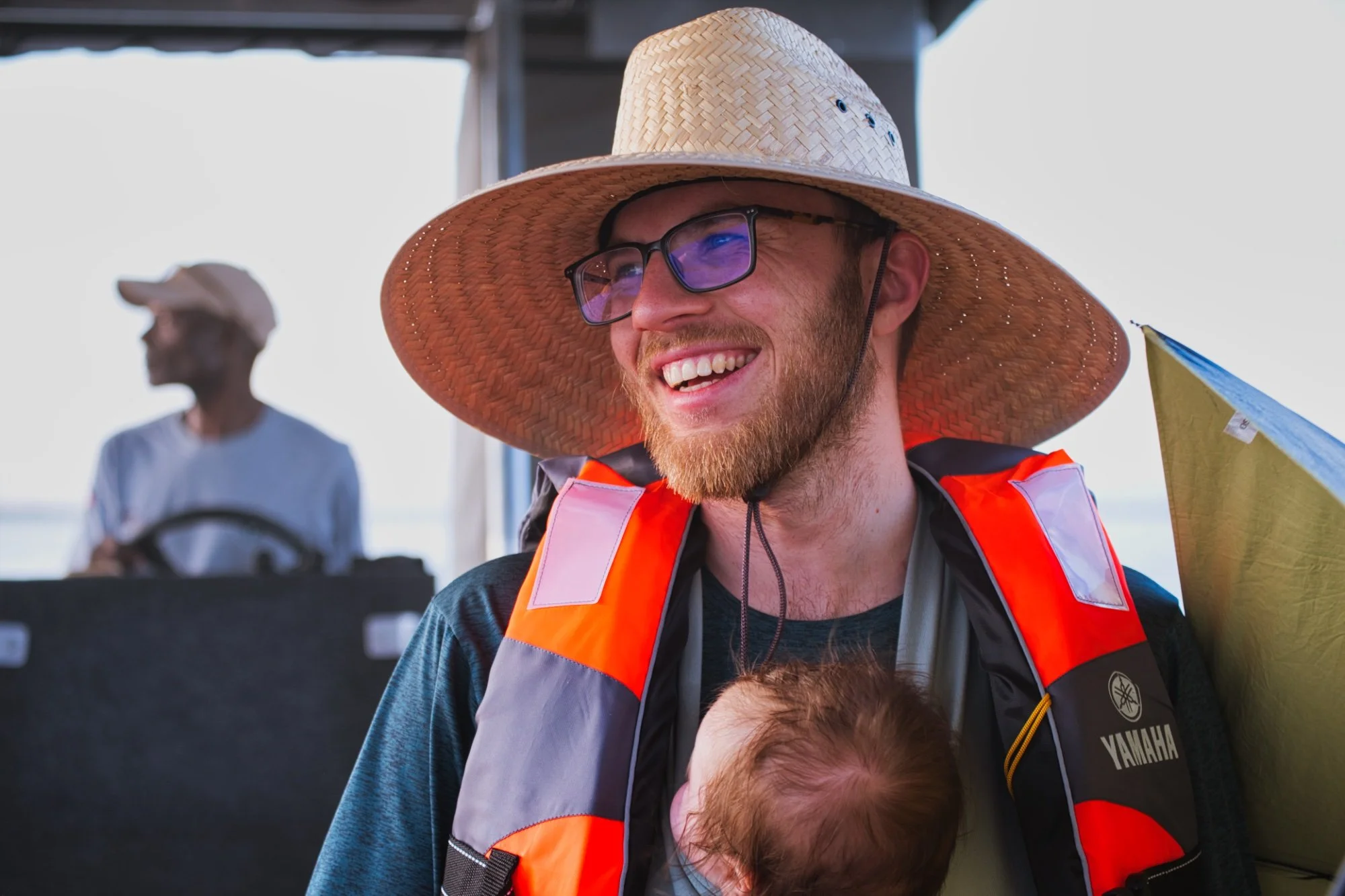
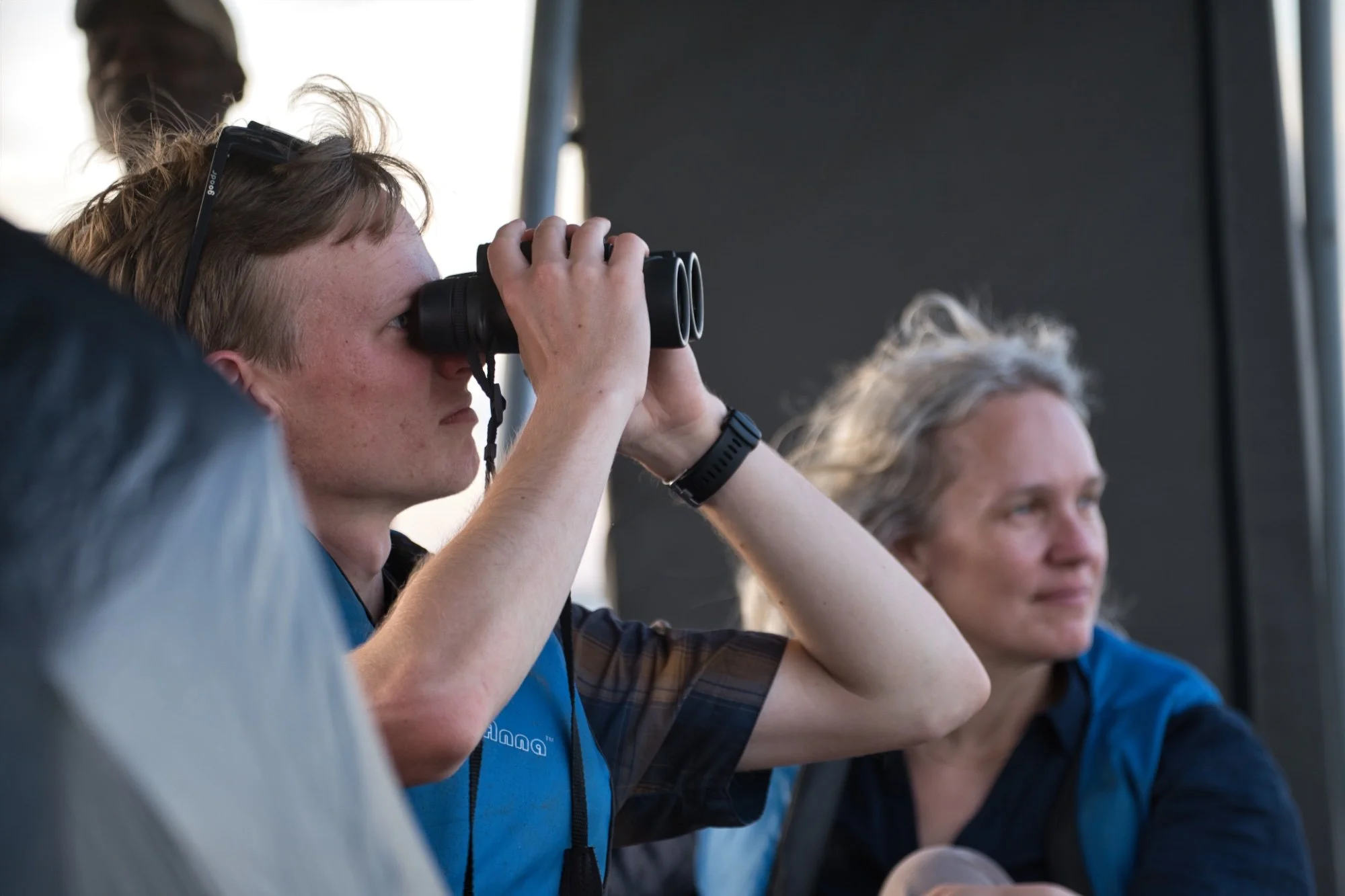
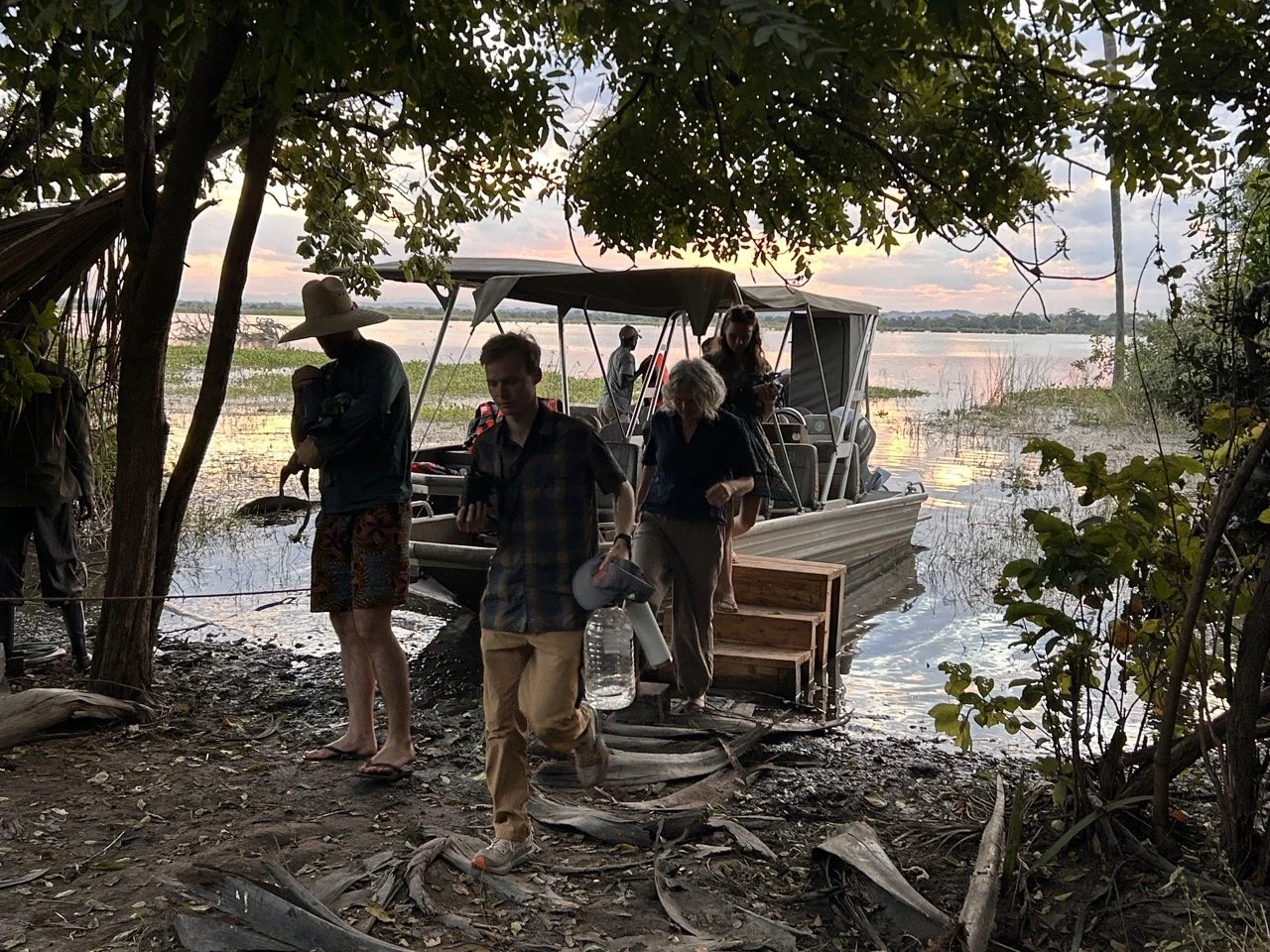
When I visited Liwonde in 2022 I took a boat safari from Kutchire Lodge. This is a non-negotiable in my book and we all agreed we had to make it happen this time around for most of us. Floating on the river, surrounded by immense beauty while nestled up along grazing elephants and annoyed hippos is an experience unmatched in normal life. It is a phenomenal shared experience that did not disappoint.
Elephants!
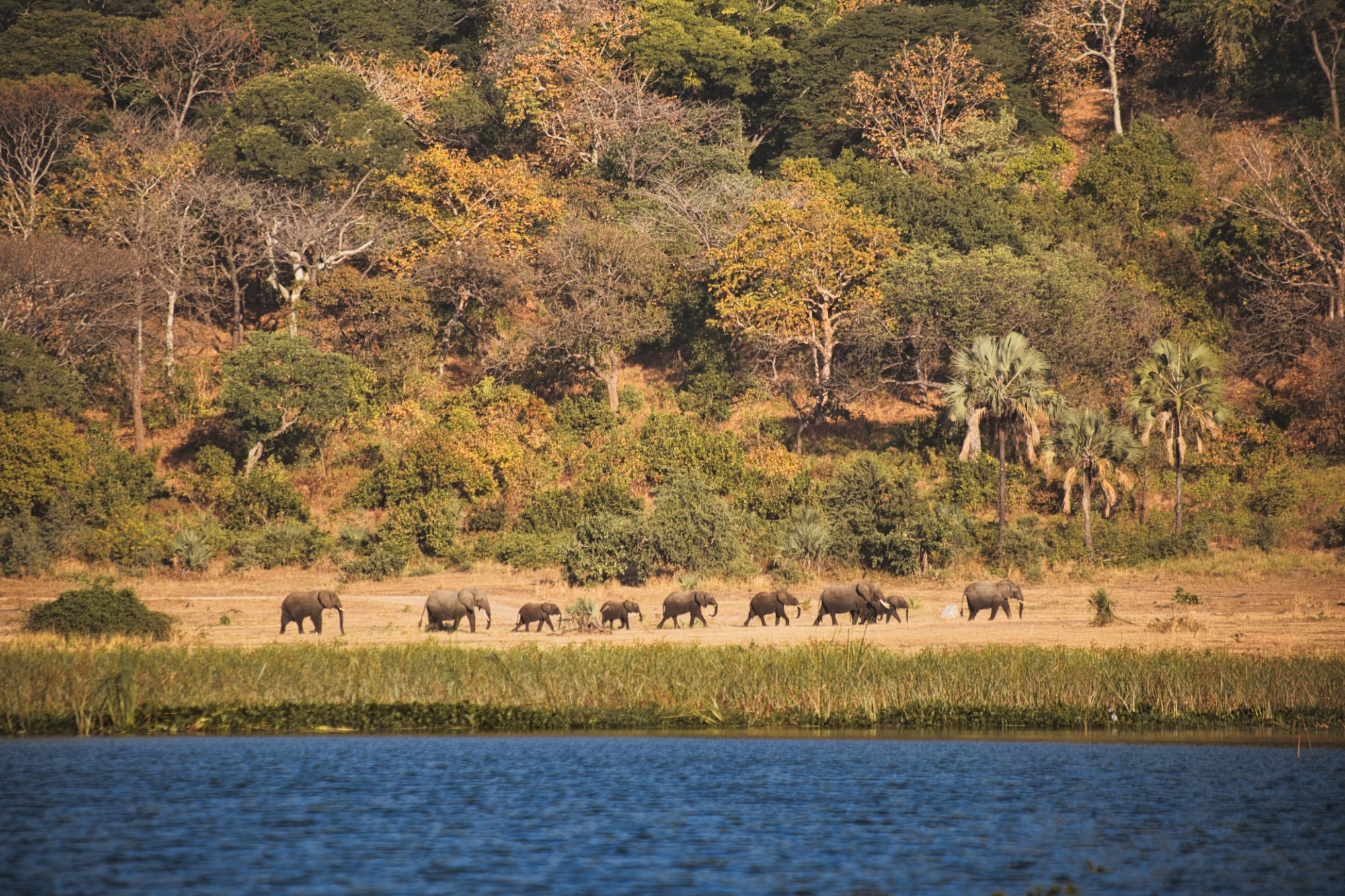
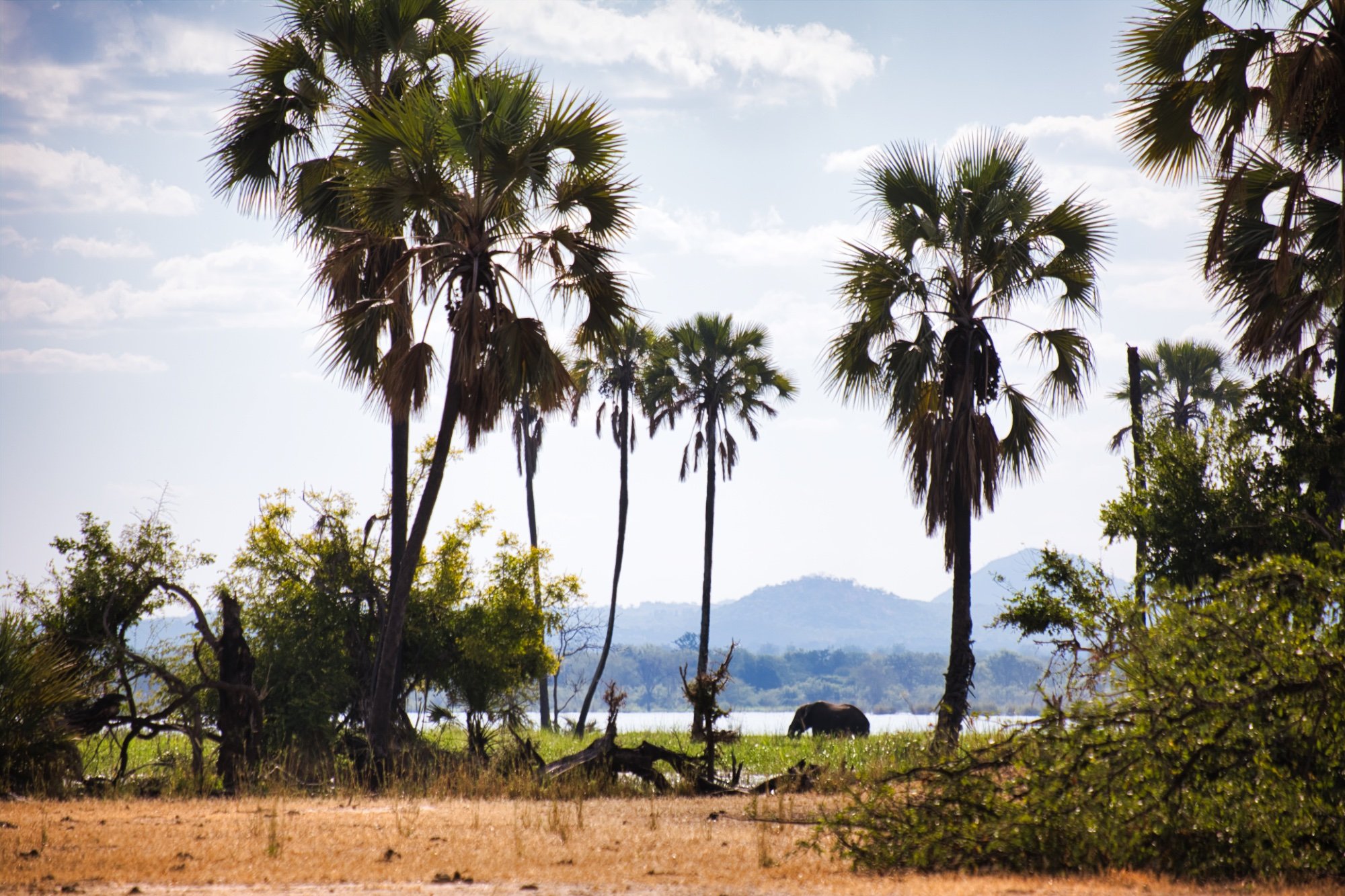
Liwonde is home to around 600 elephants today. In 2016, the year we left Africa, the park actually became the site of a wildlife success story as 500 elephants were moved to a Malawian-based reserve further north to help repopulate the elephant population at Nkhotakota. (How does that happen?) Several local residents on the receiving side weren’t so impressed with having new elephants placed within stomping distance of their farms. It’s complicated.
African Parks, a non-profit conservation organization, took over management in 2015. During the last decade cheetahs, lions, wild dogs and an additional infusion of rhinos have become a big attraction for the park (though we saw none of them during our short self-guided visit).
It was slightly annoying that multiple park staff told us how “everyone” was seeing lions the day we were there, but we weren’t so lucky. Perhaps if we had booked a guided safari land tour we would have been treated to some of the more rare sightings as guides share knowledge via radio. We were simply in the dark, hoping for the best.
But one of the more exciting aspects of driving around a bit aimless on narrow winding roads is coming upon an elephant blocking the path, or even moving towards our vehicle. They often indicate displeasure or annoyance and in the past we had become accustomed to reversing our vehicle so as not to take an elephant head on. This happened twice to us during our visit and it is always a little unsettling. I can’t help but wonder which tourists were not able to escape elephant frustration.
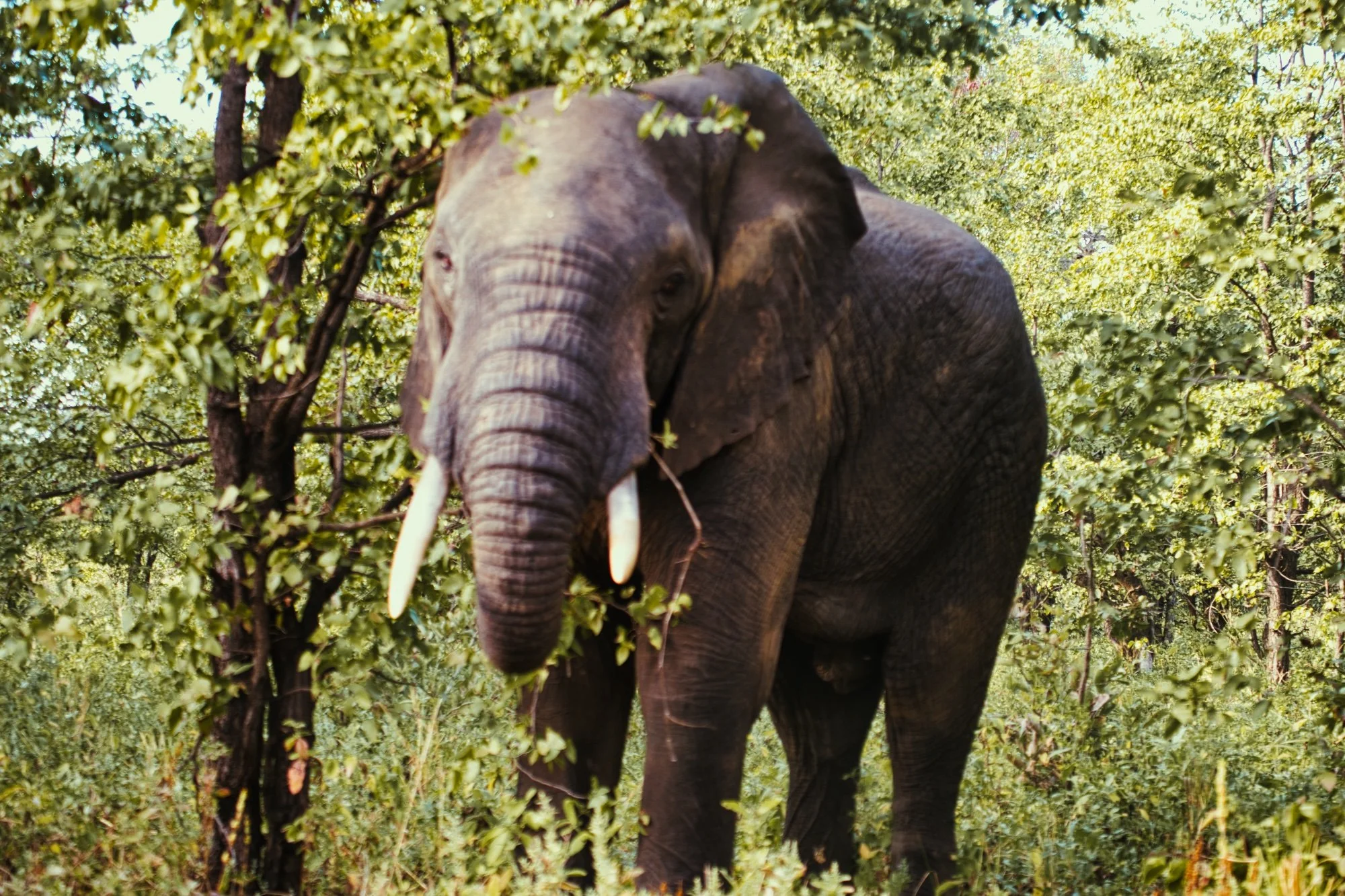
We only noticed this roadside attraction when were heard the trumpeting. Camera NOT zoomed in.
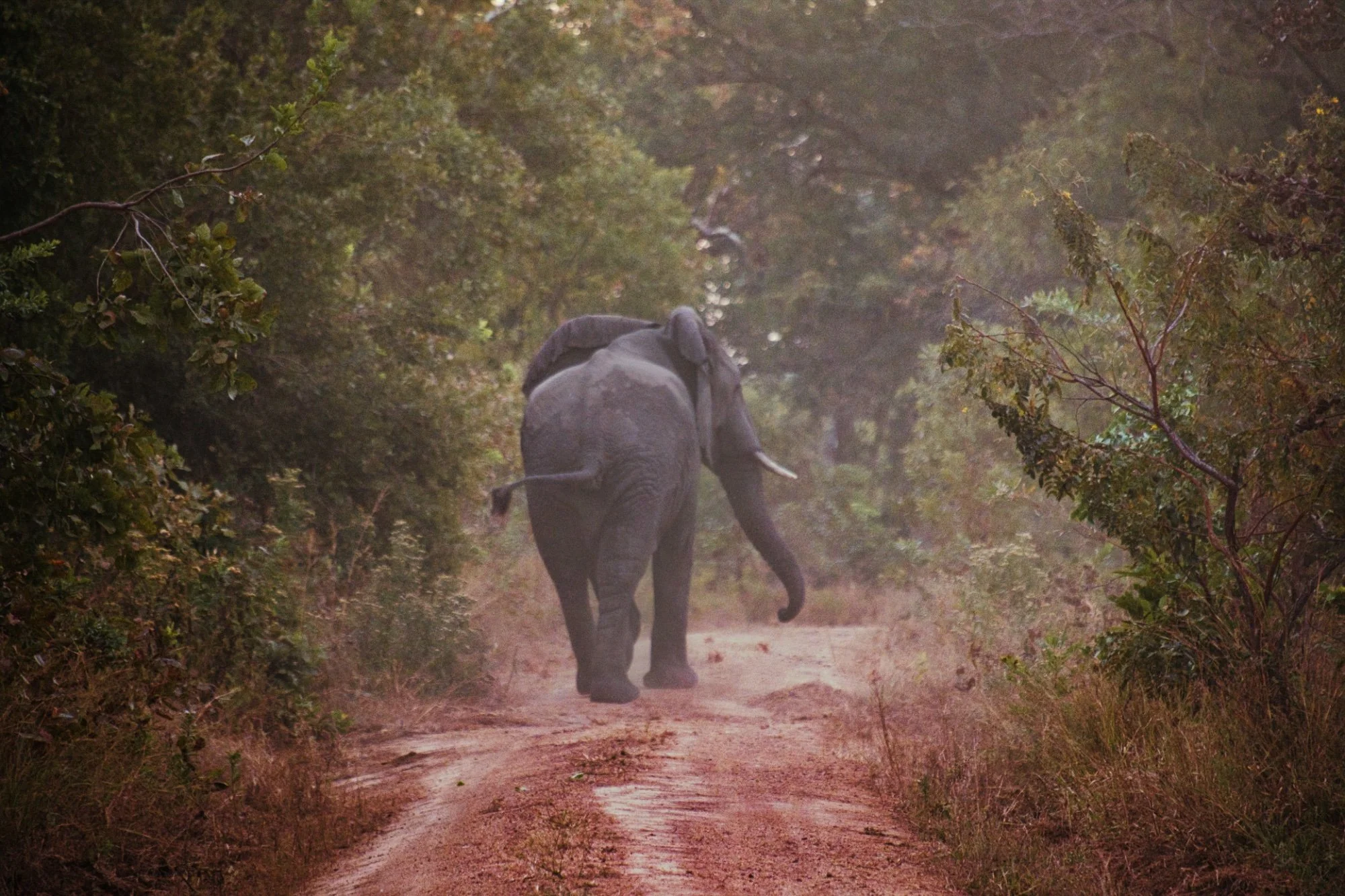
…as we slowly follow hoping the elephant will move off into the bush so we can pass.
Hippo Heaven
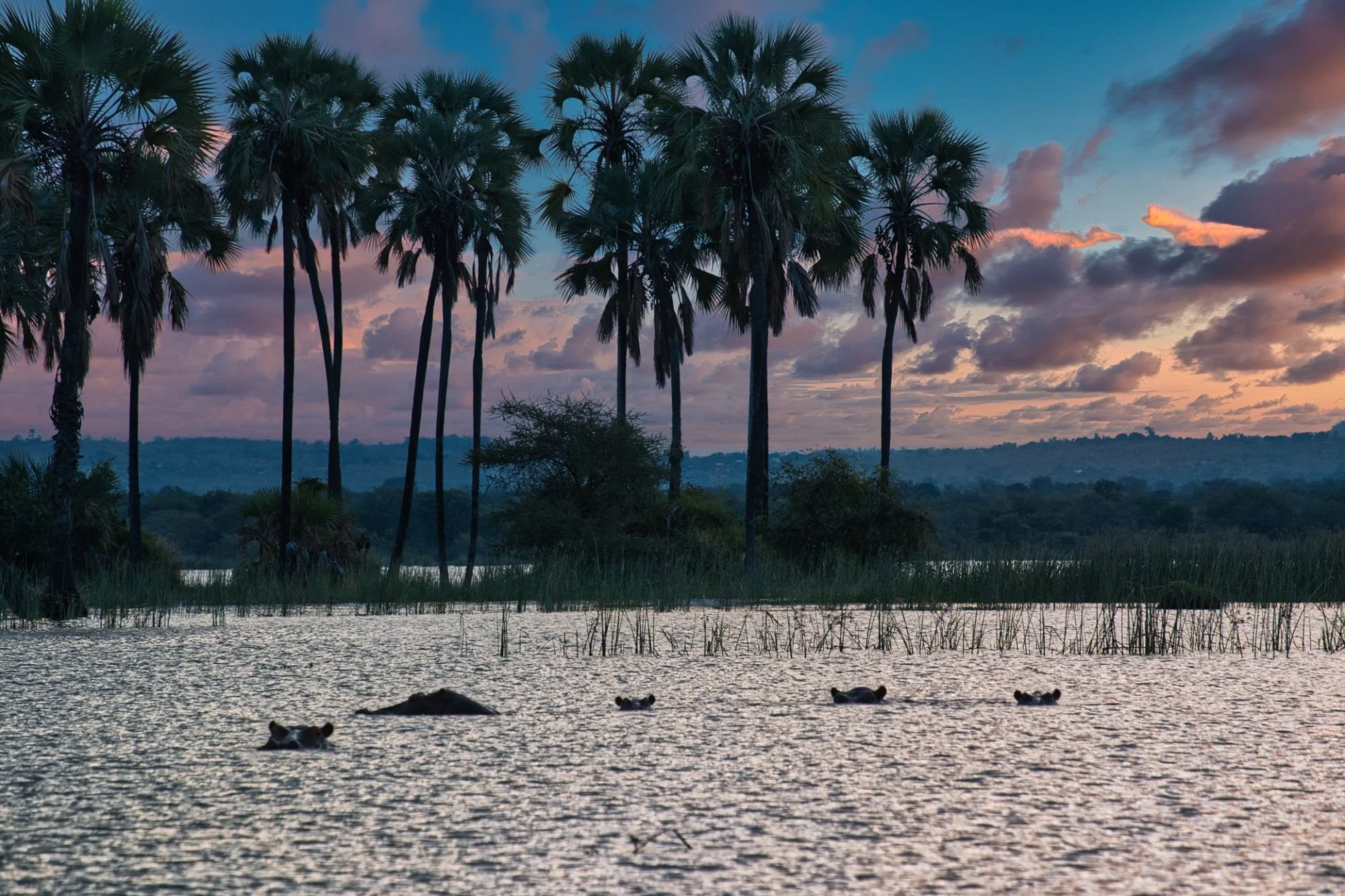
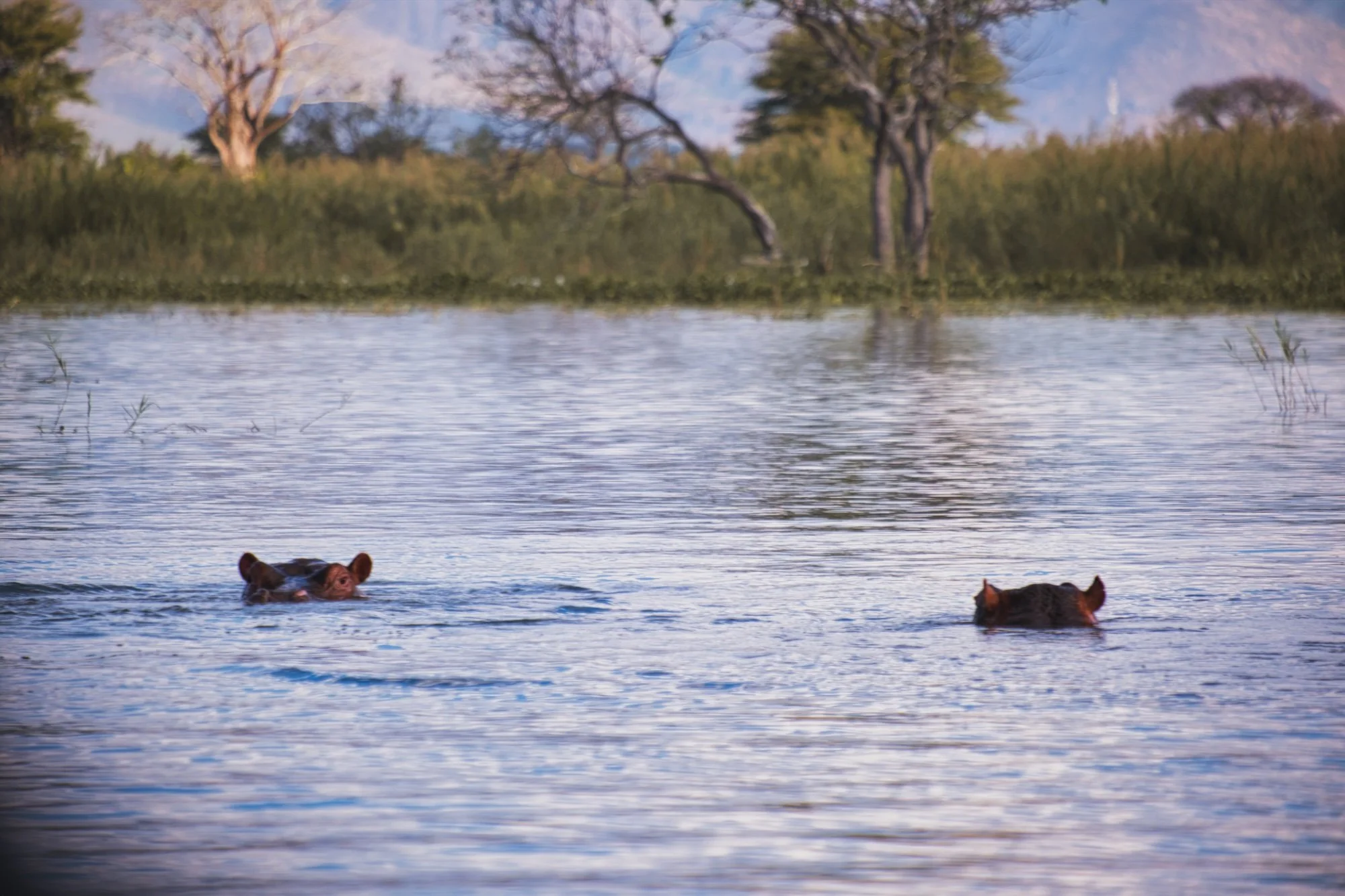
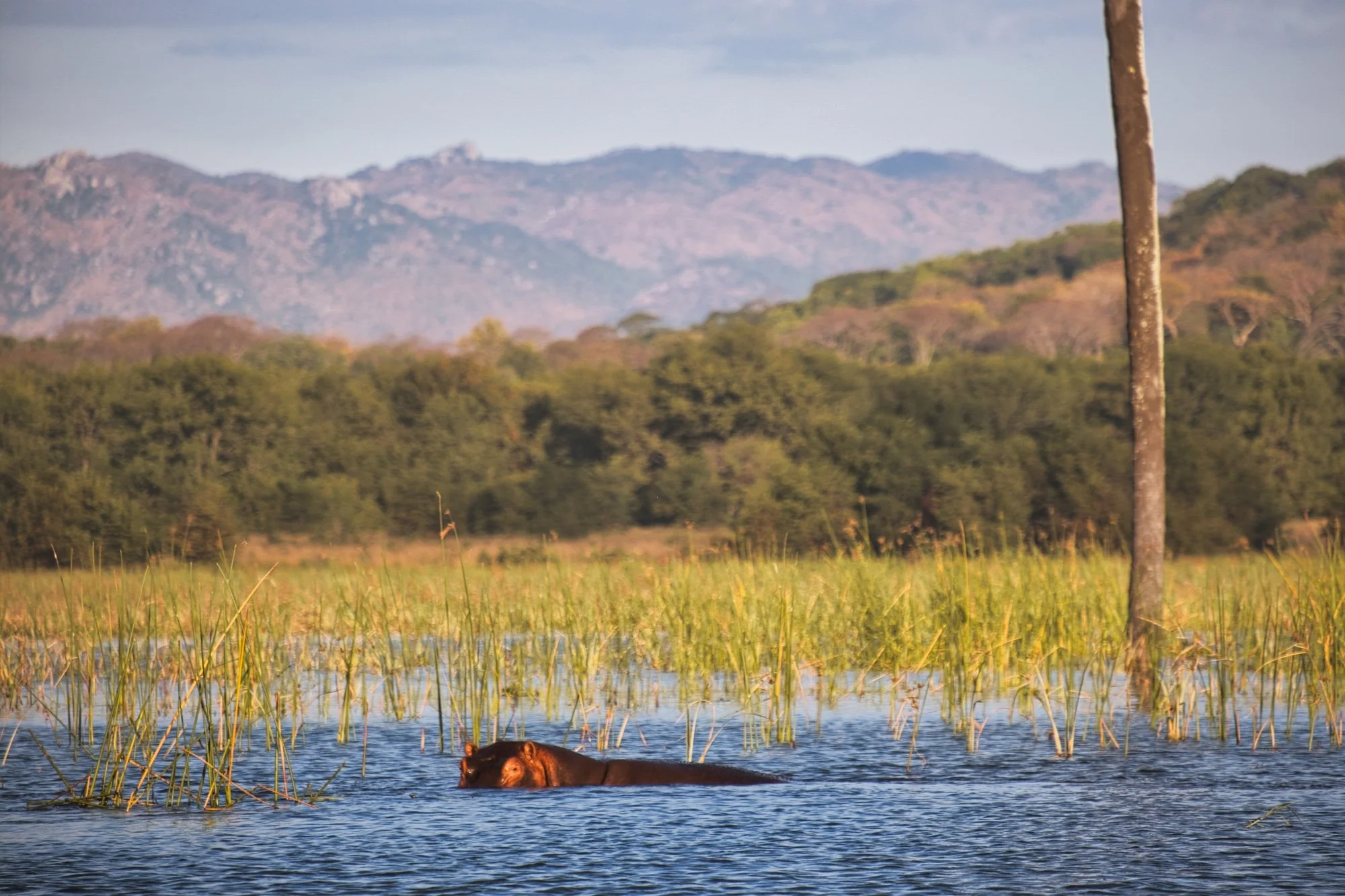
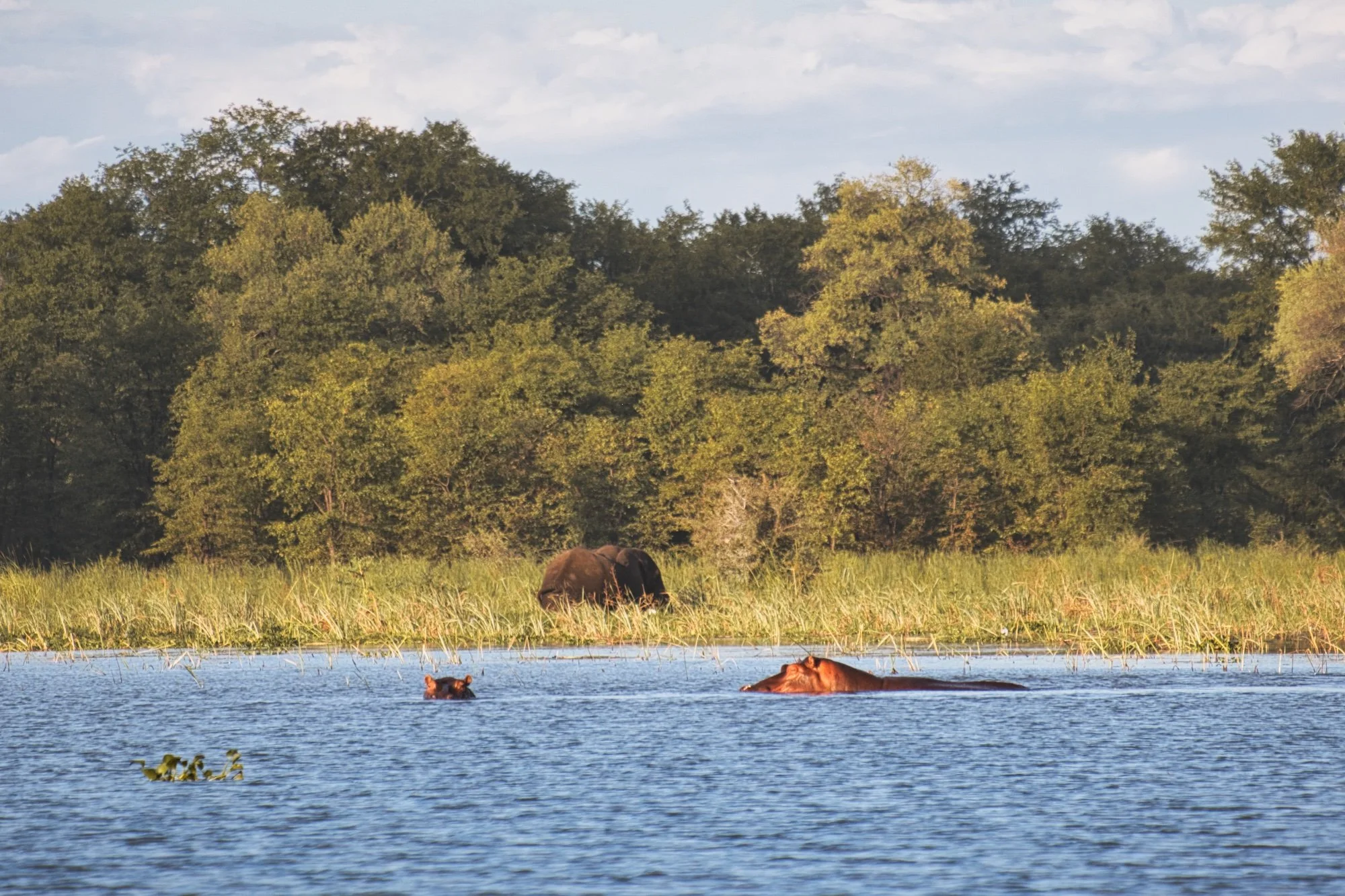
The Shire River near Liwonde boasts a healthy population of hippos of about 2500 based on a 2020 survey from the air. These docile looking creatures are among Africa’s most deadly. During the day they prefer to stay submerged, popping up for air from time to time. At night they hit the land and graze and even are known to head higher into the hills towards our camping site. Maybe this is what the electric fence is for?
Crocodiles
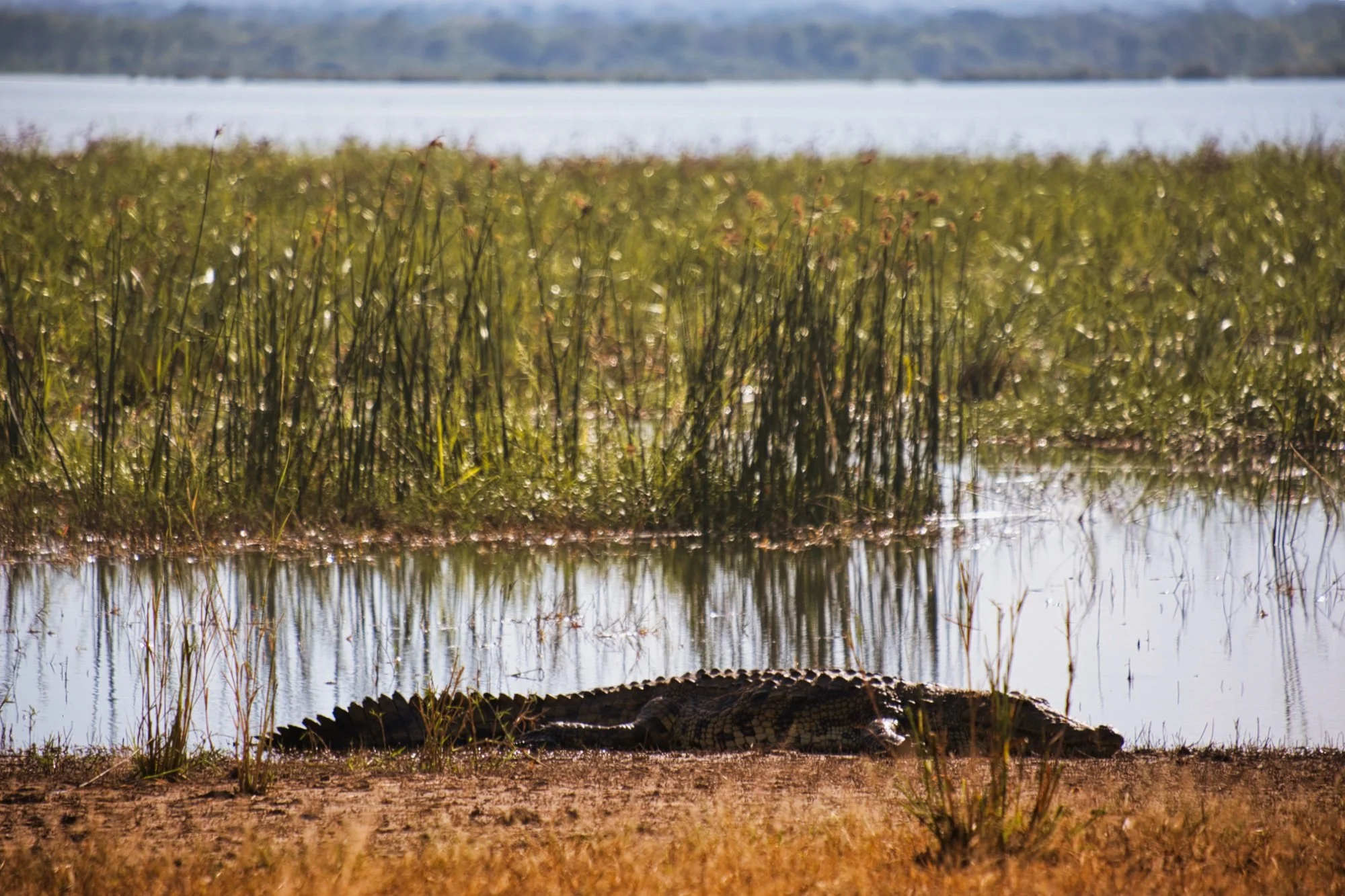
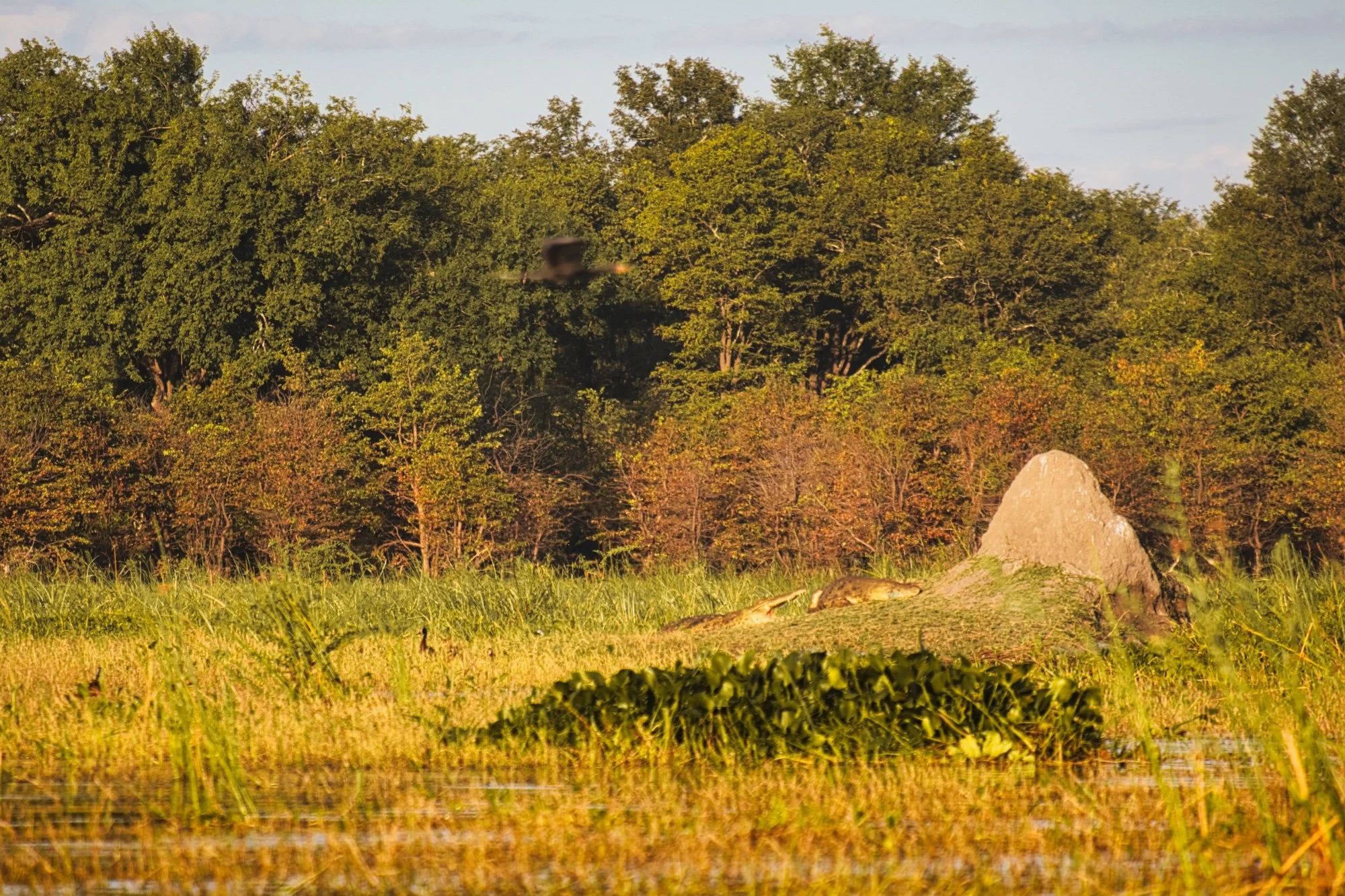
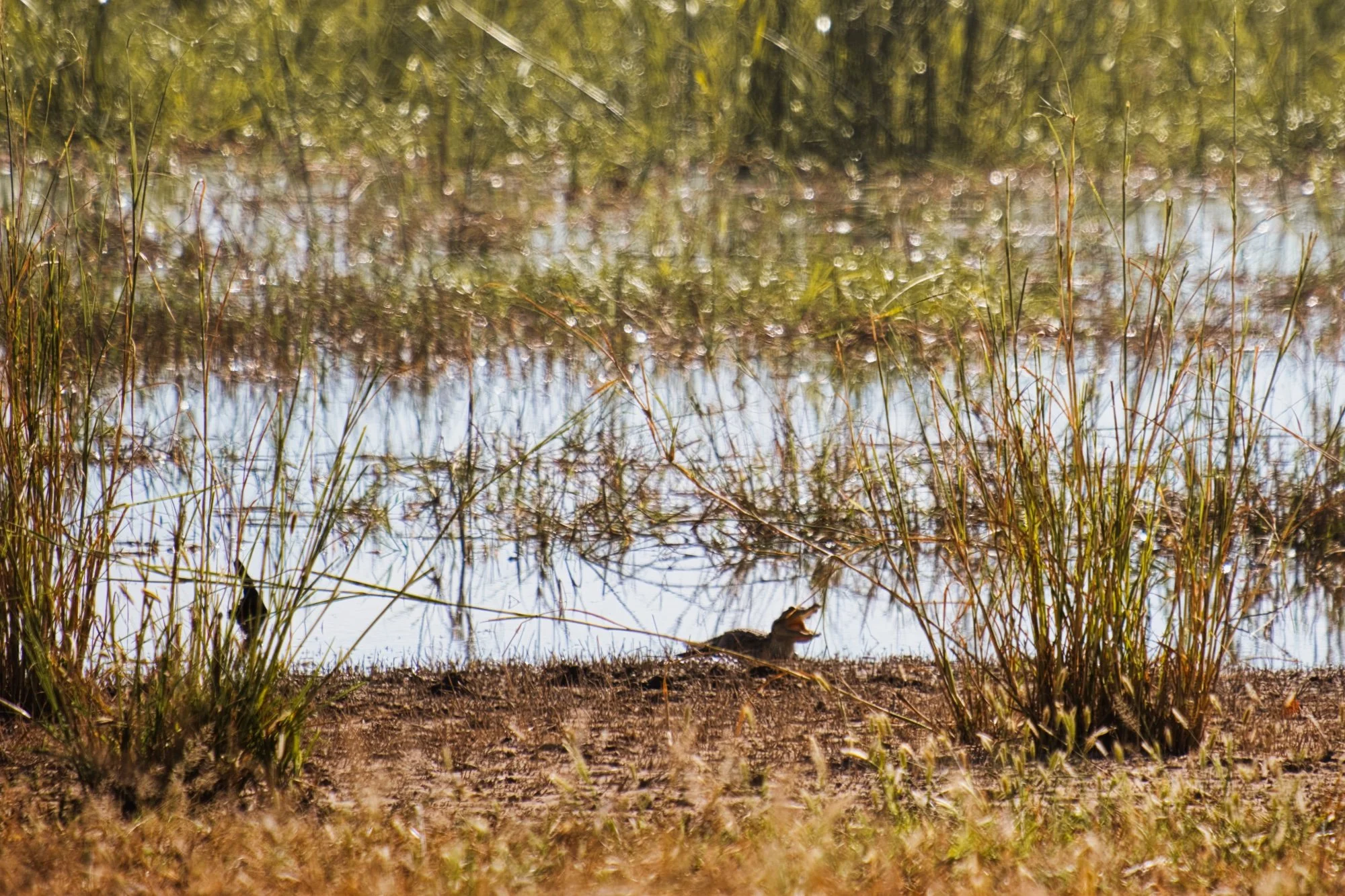
The crocs at Liwonde are of the Nile variety and were harder to spot during this visit, perhaps due to the historically high water levels. But in the image below we caught a croc within minutes of entering the park on our first day, then later had a distant sighting by boat.
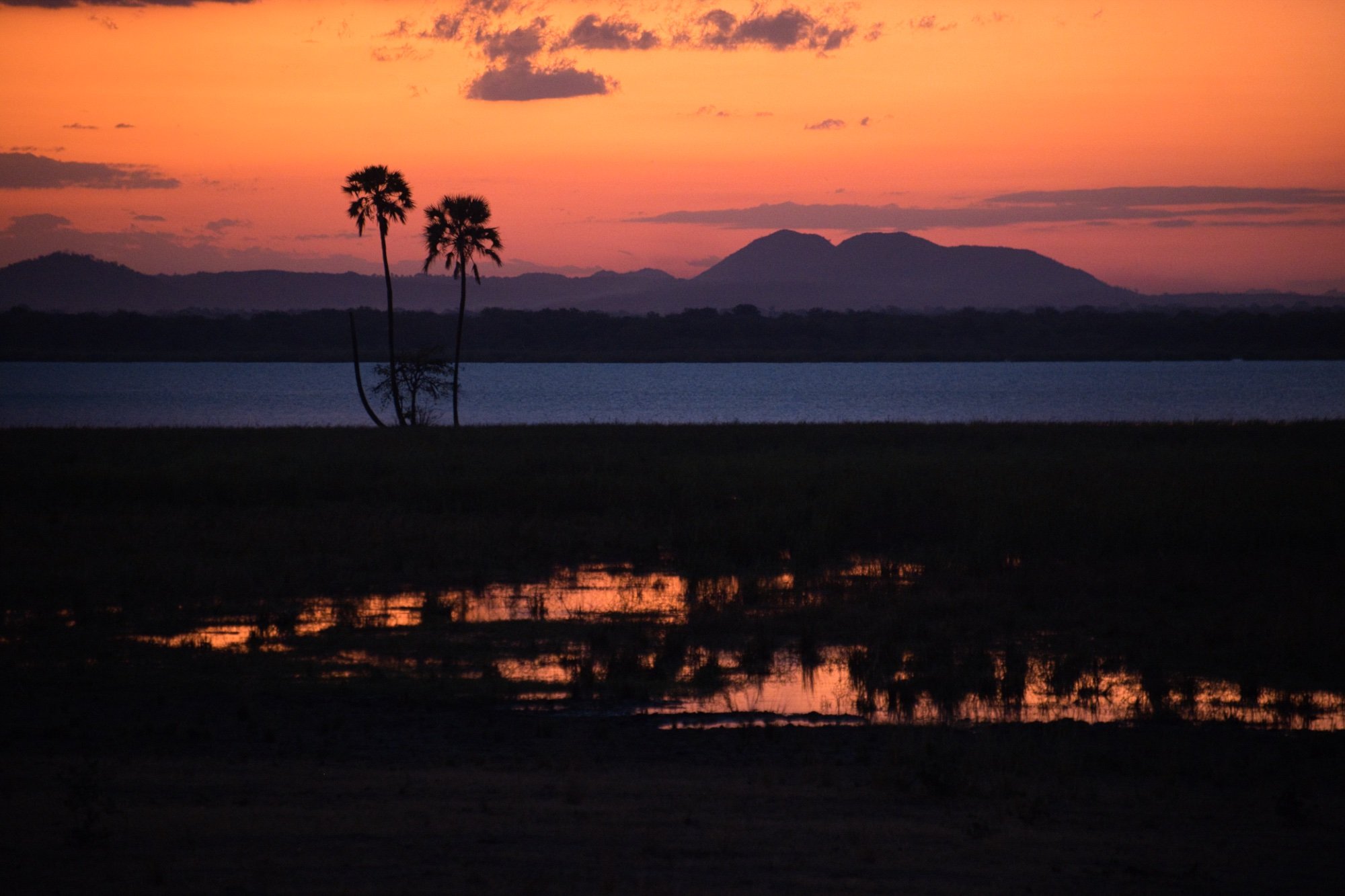
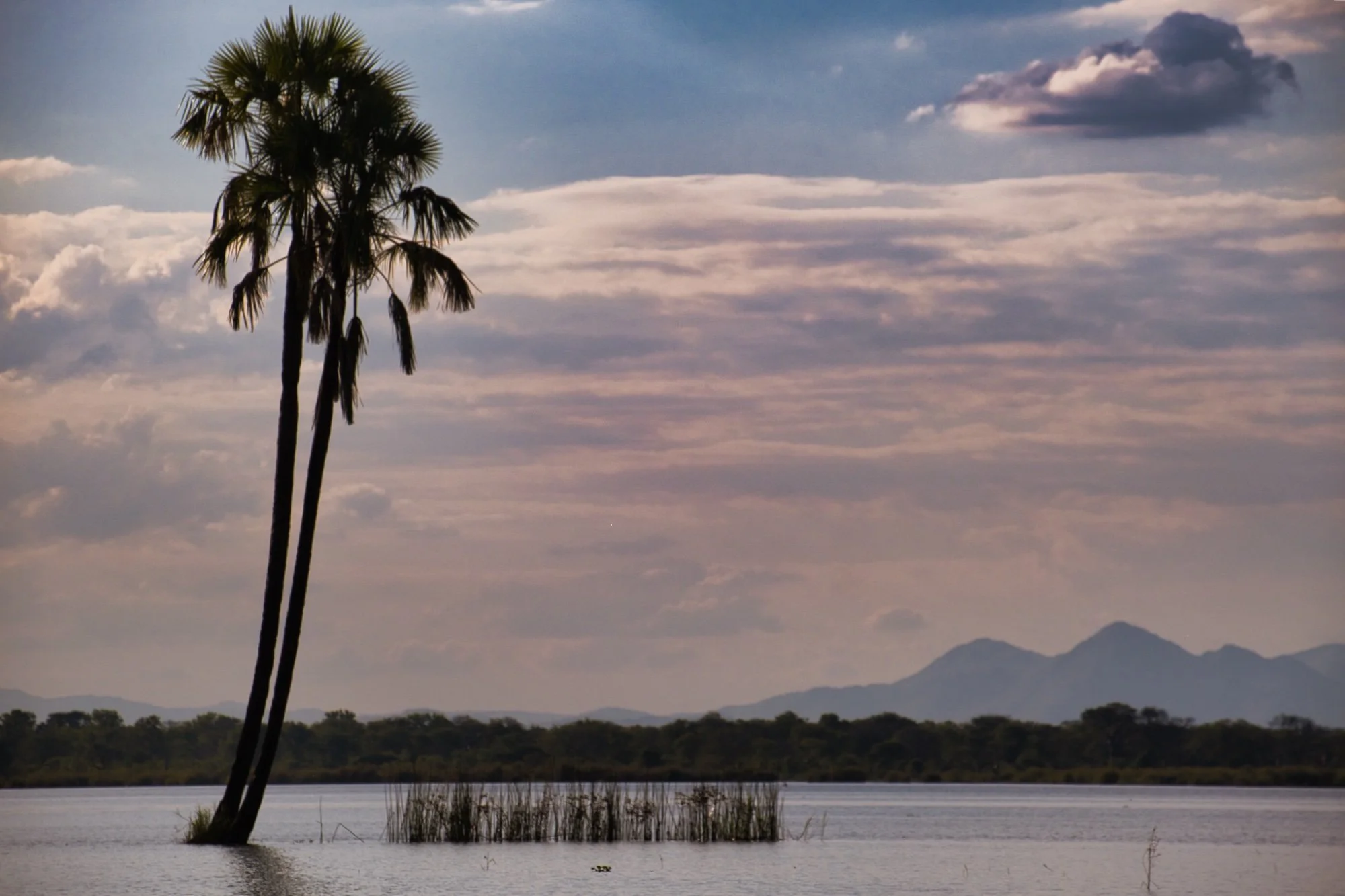
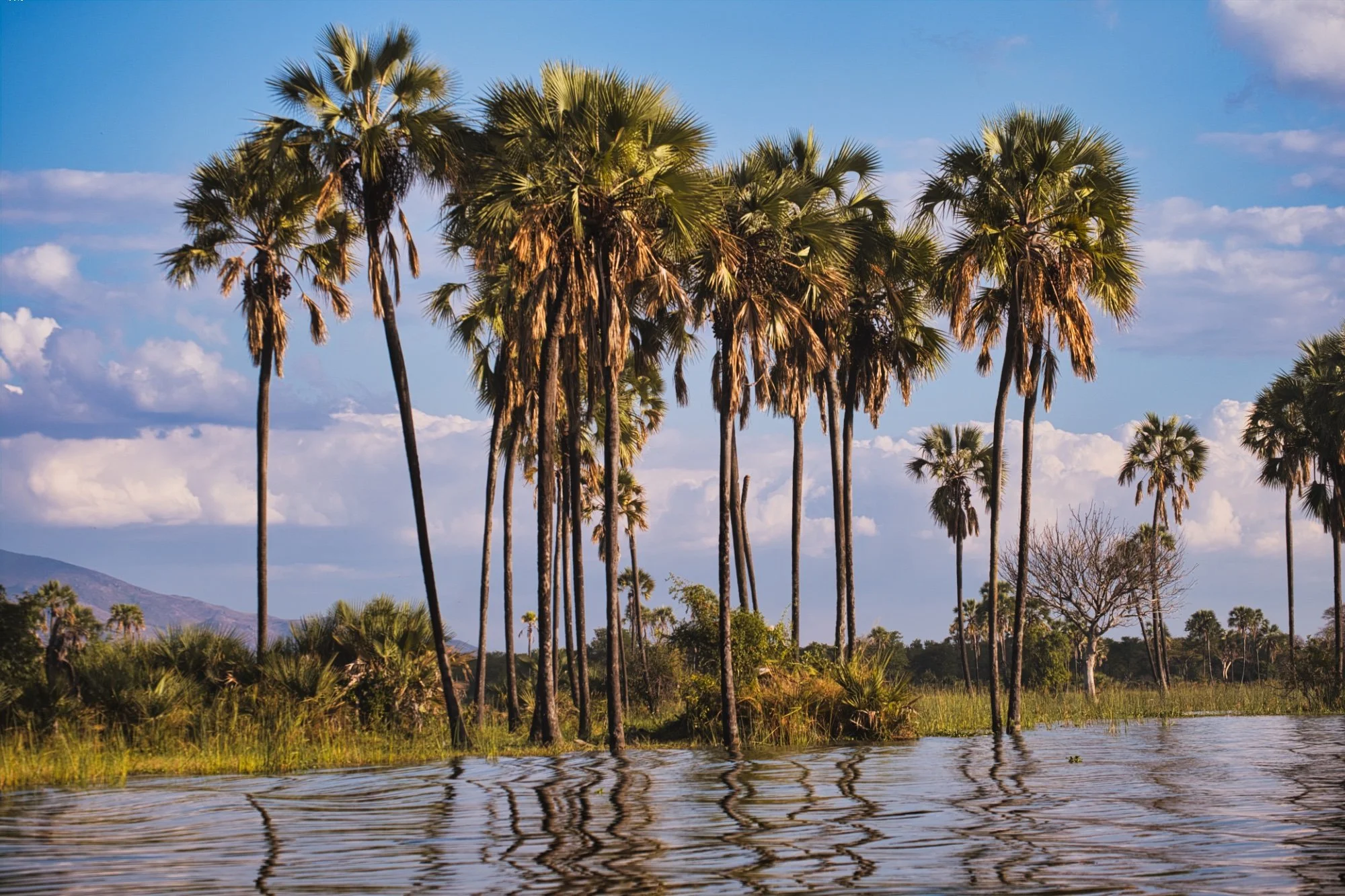
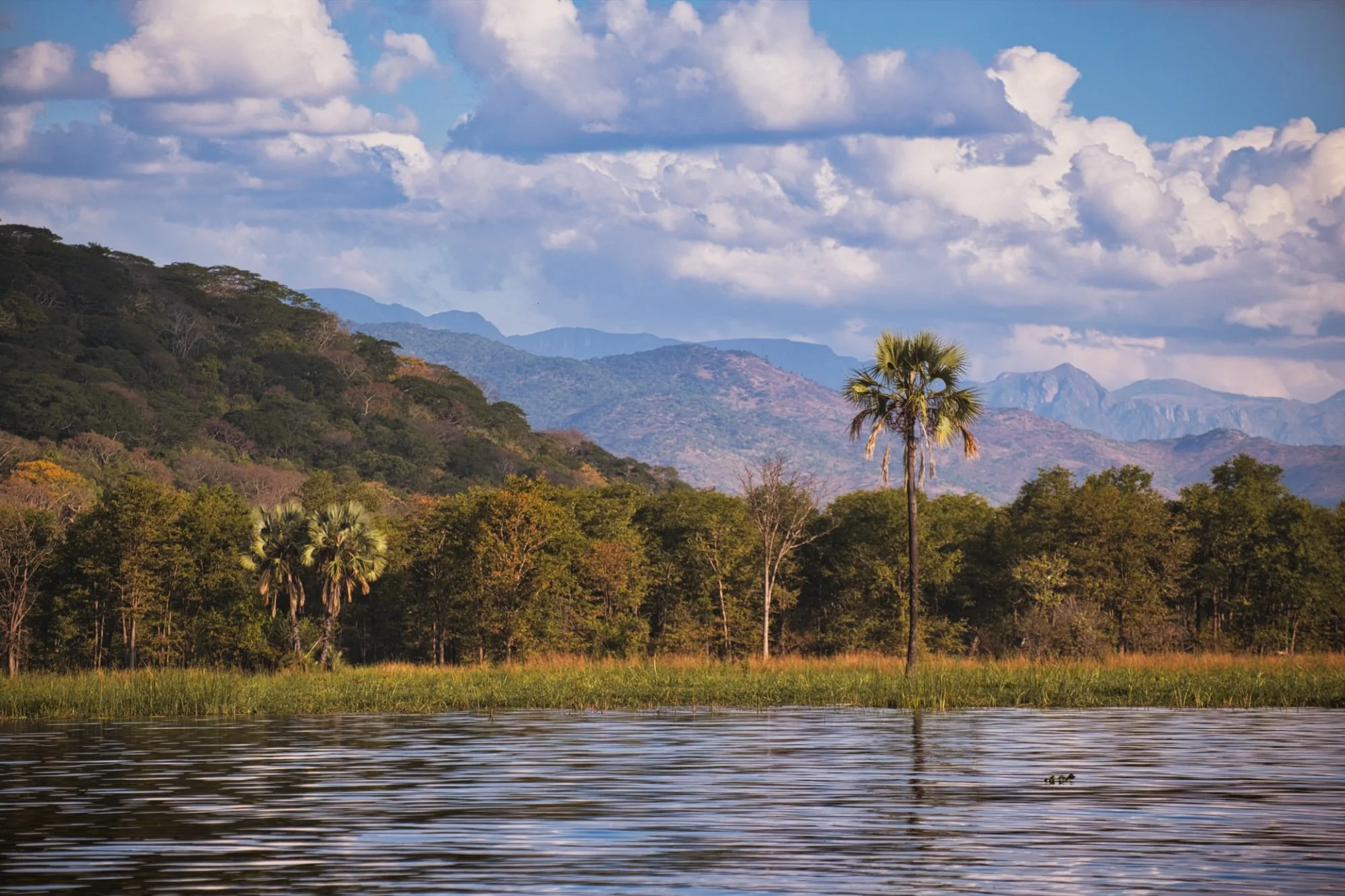
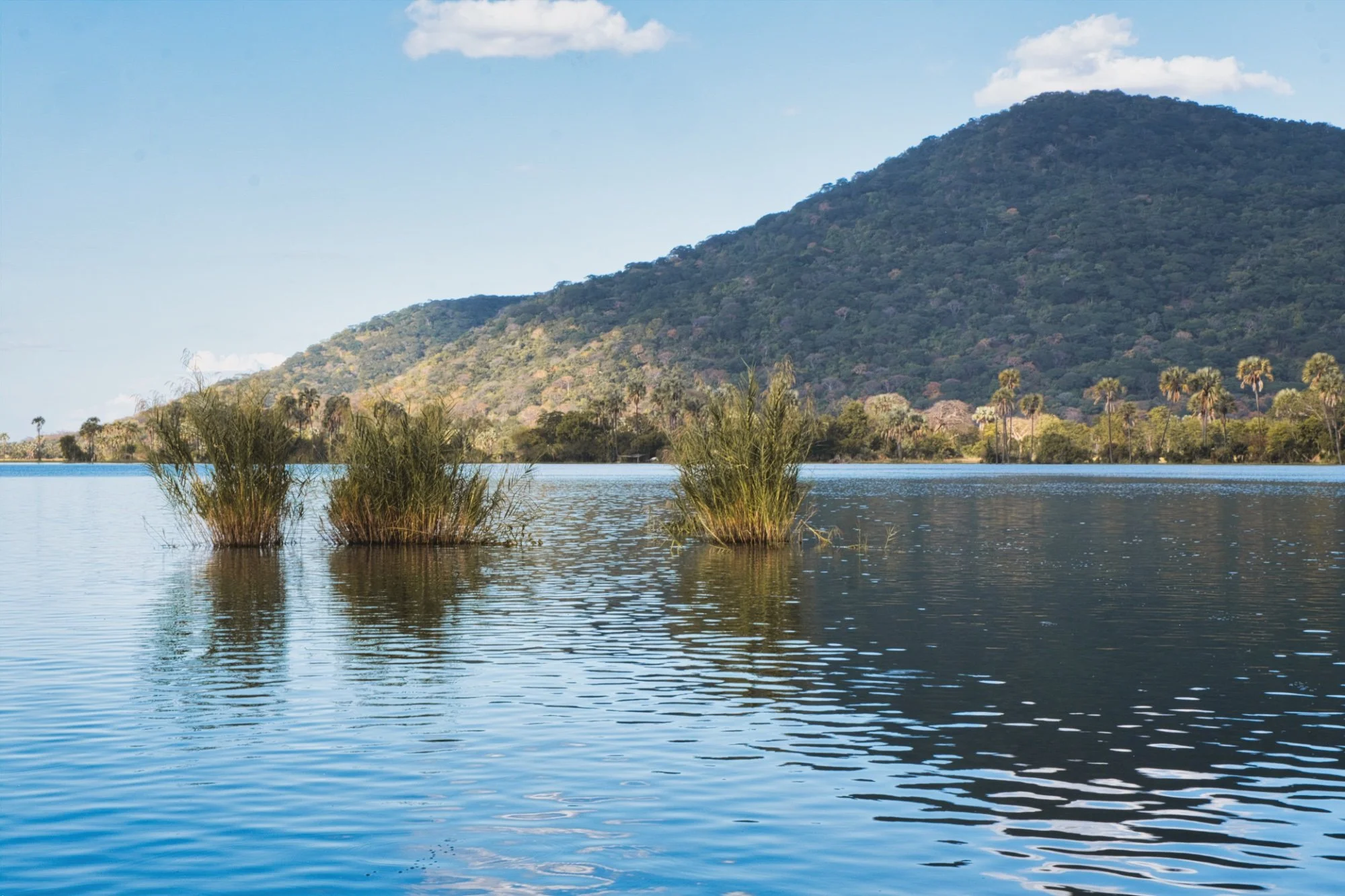
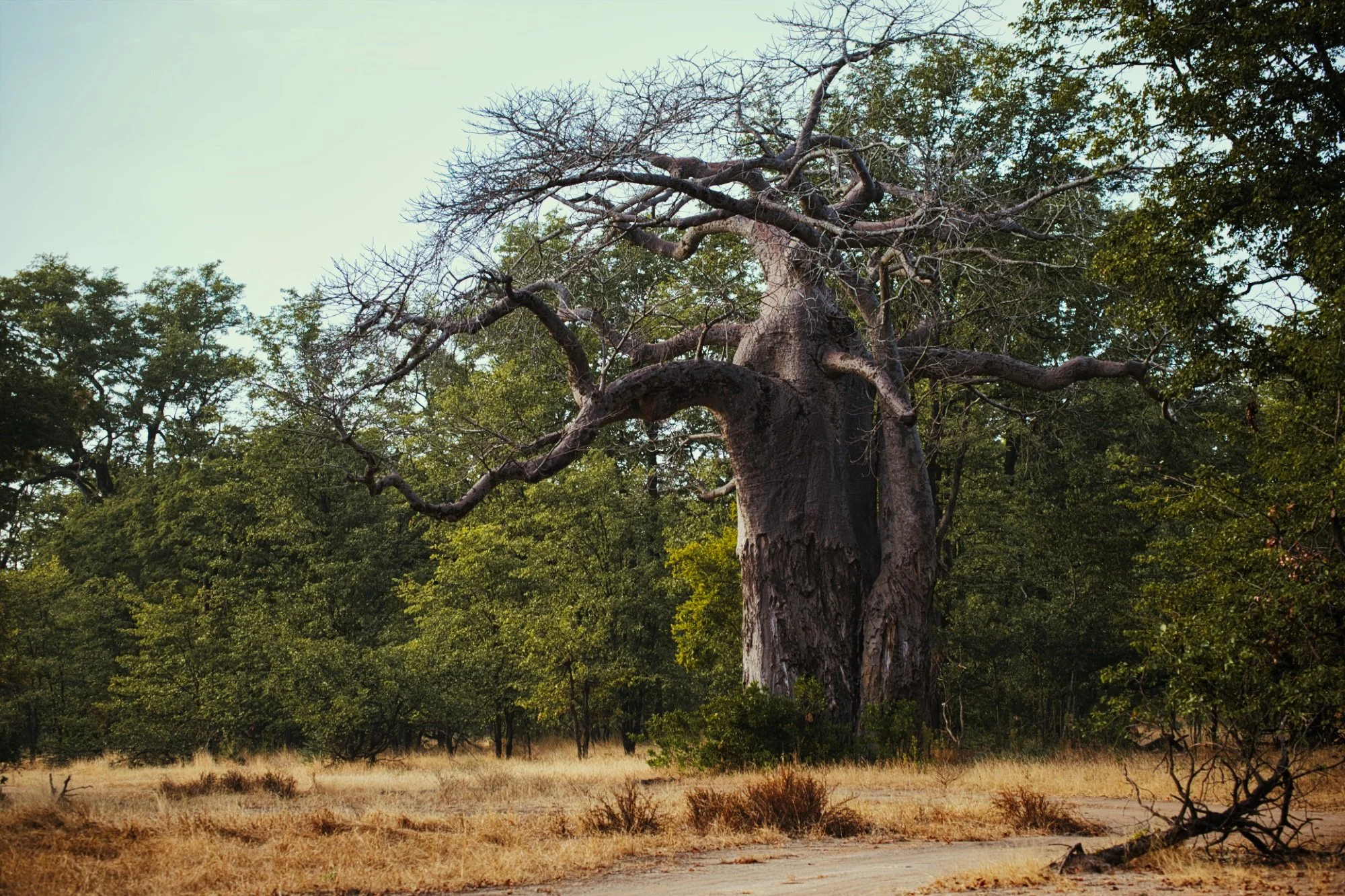
Epic Scenery!
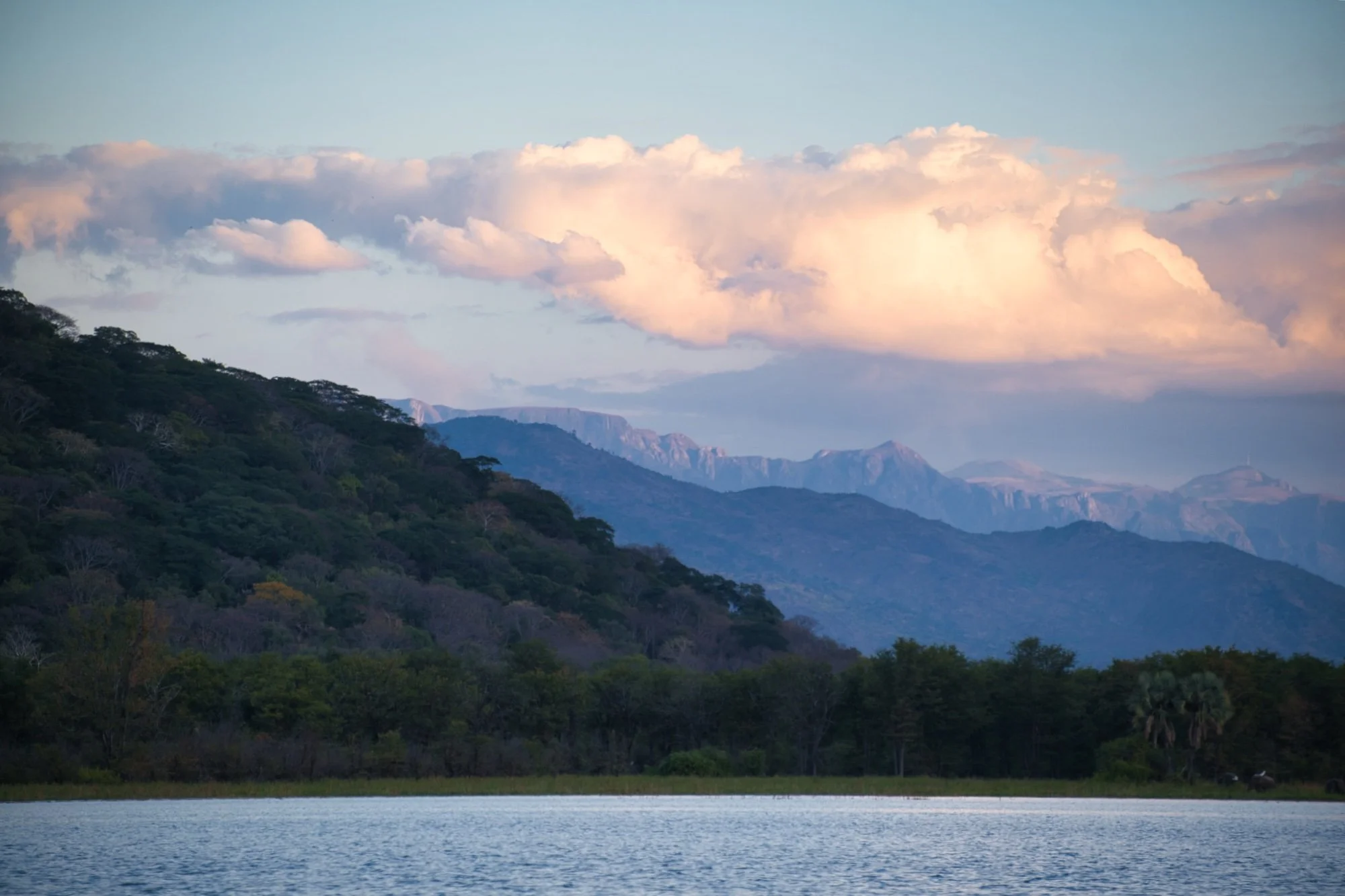
Zomba Plateau in the distance
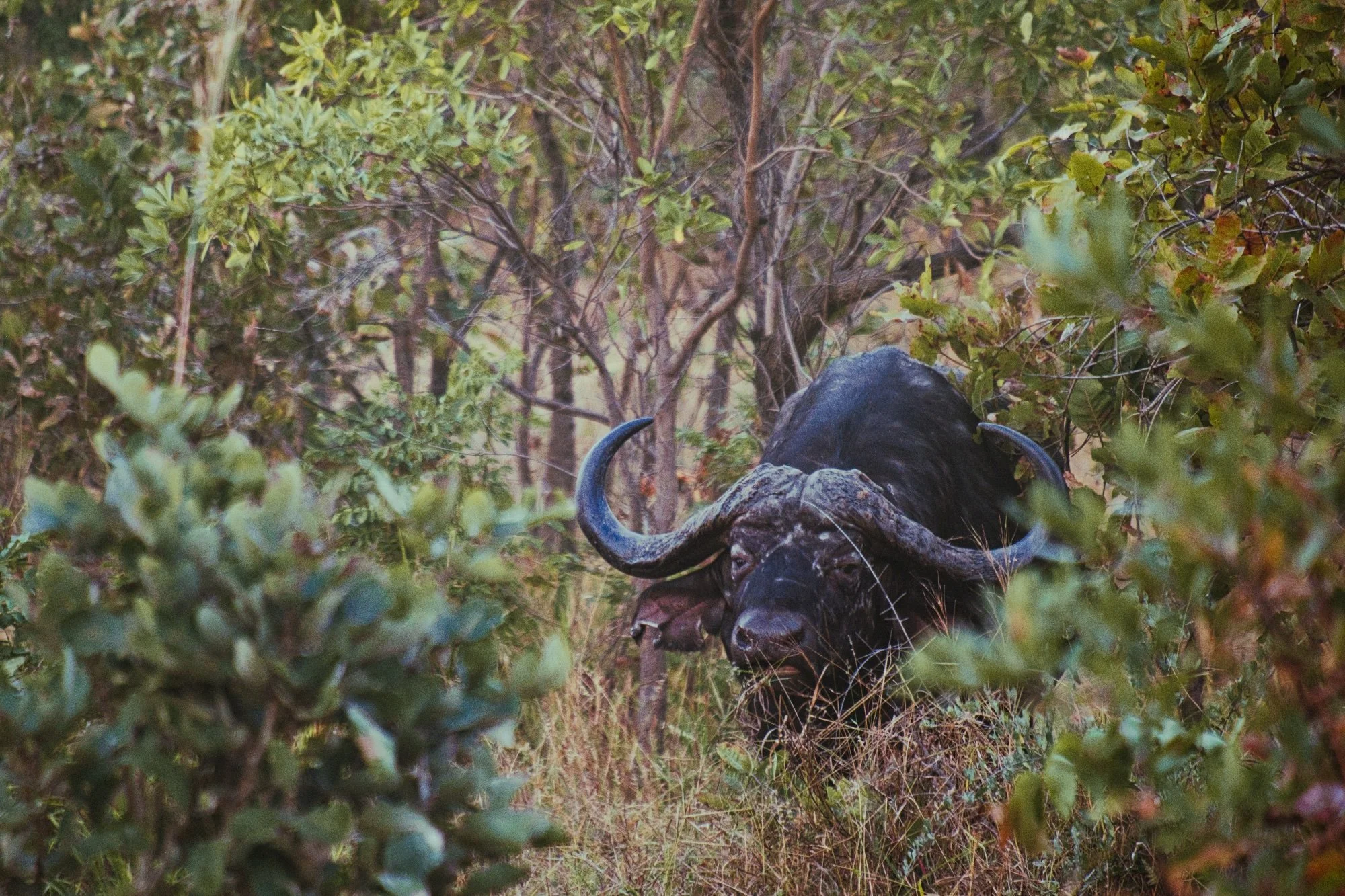
Cape Buffalo